
Last updated November 16, 2026
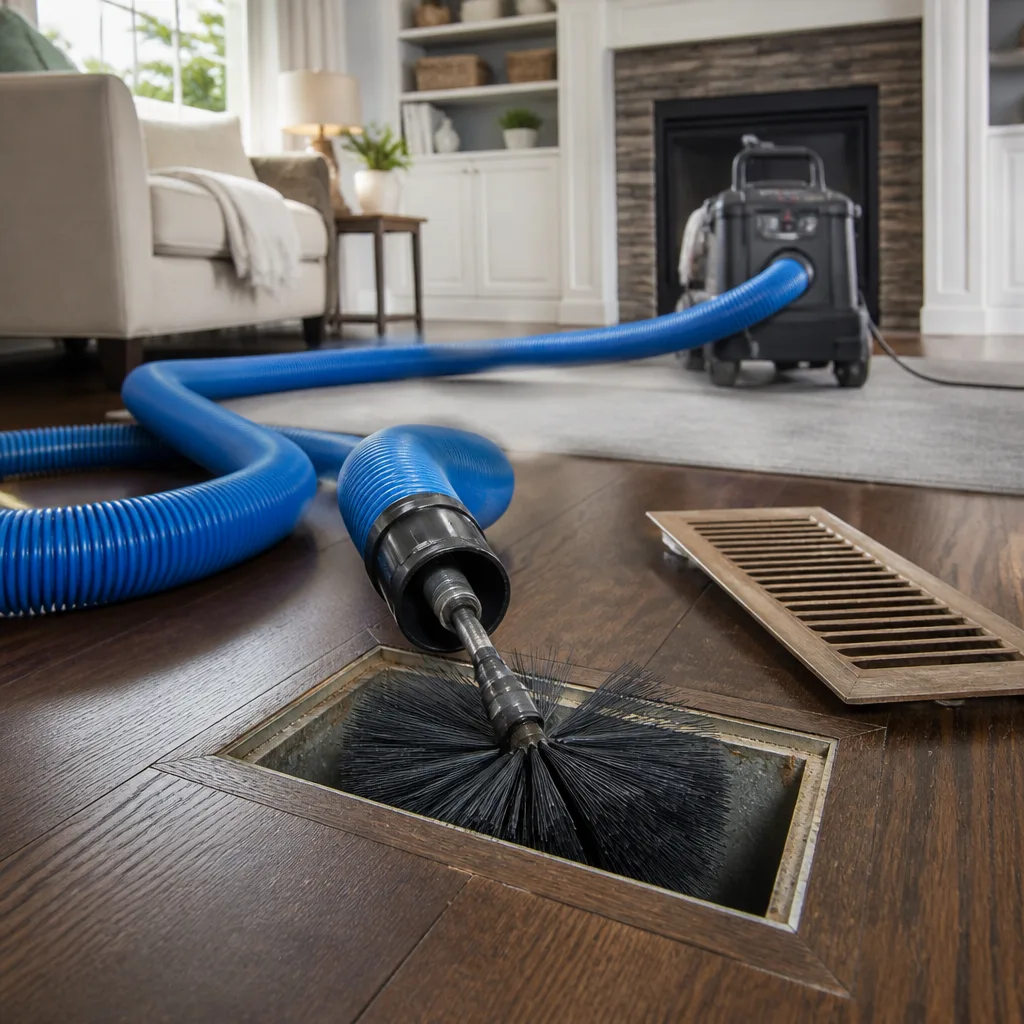 Whole-home duct cleaning
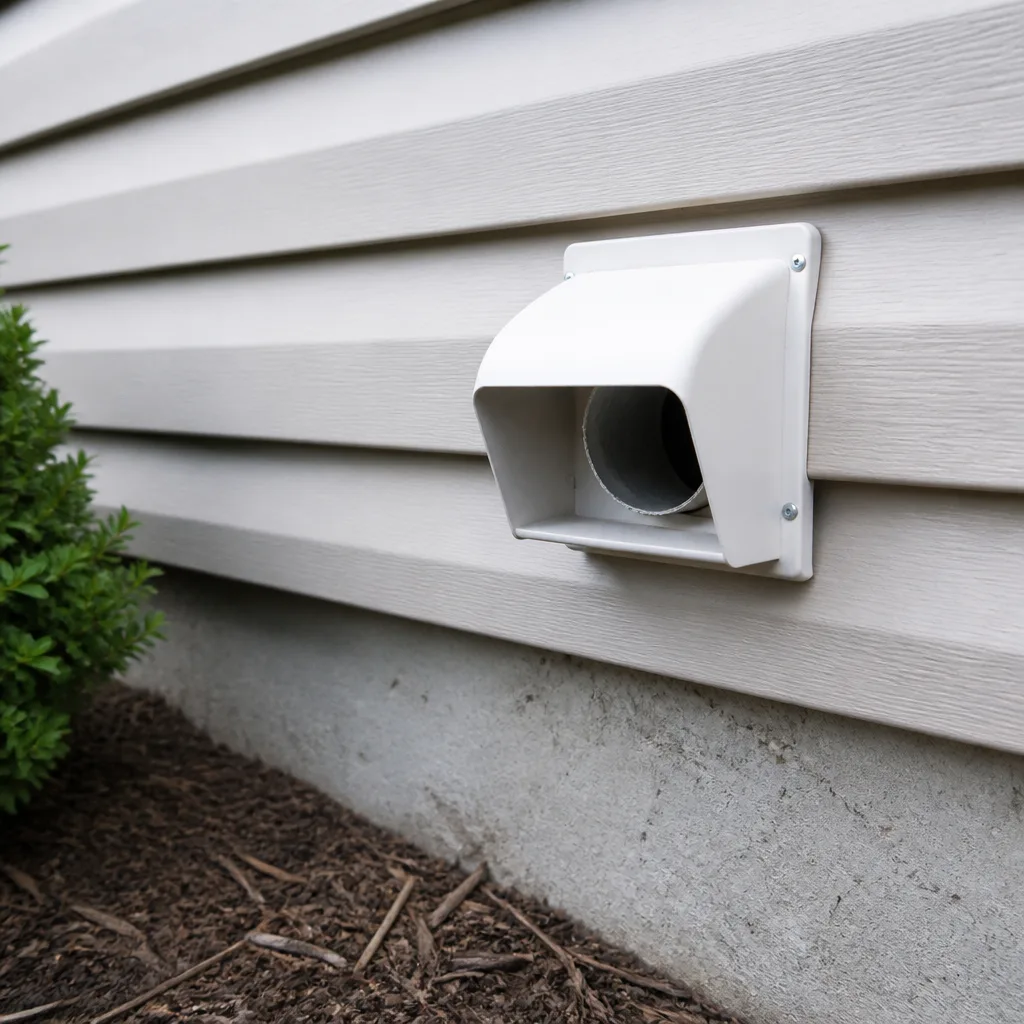 Dryer vent cleaning
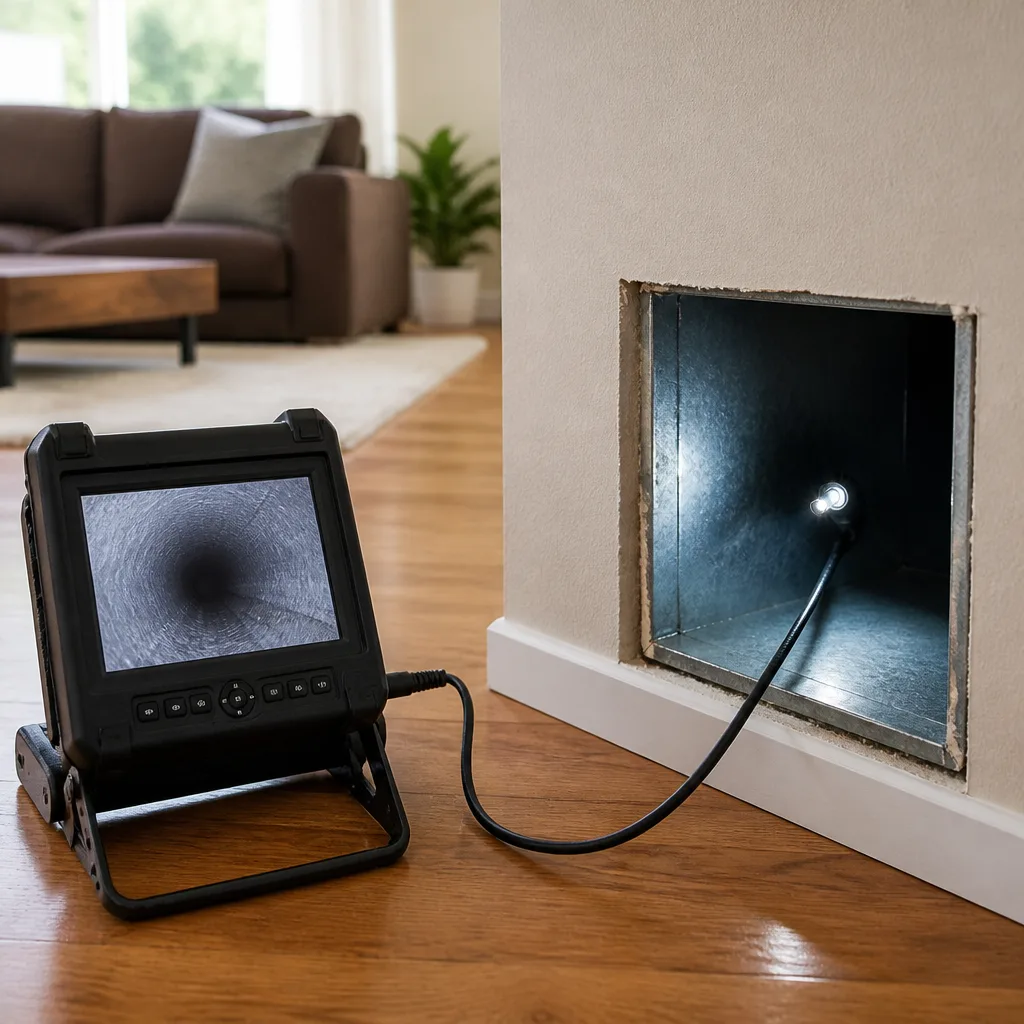 Camera inspection
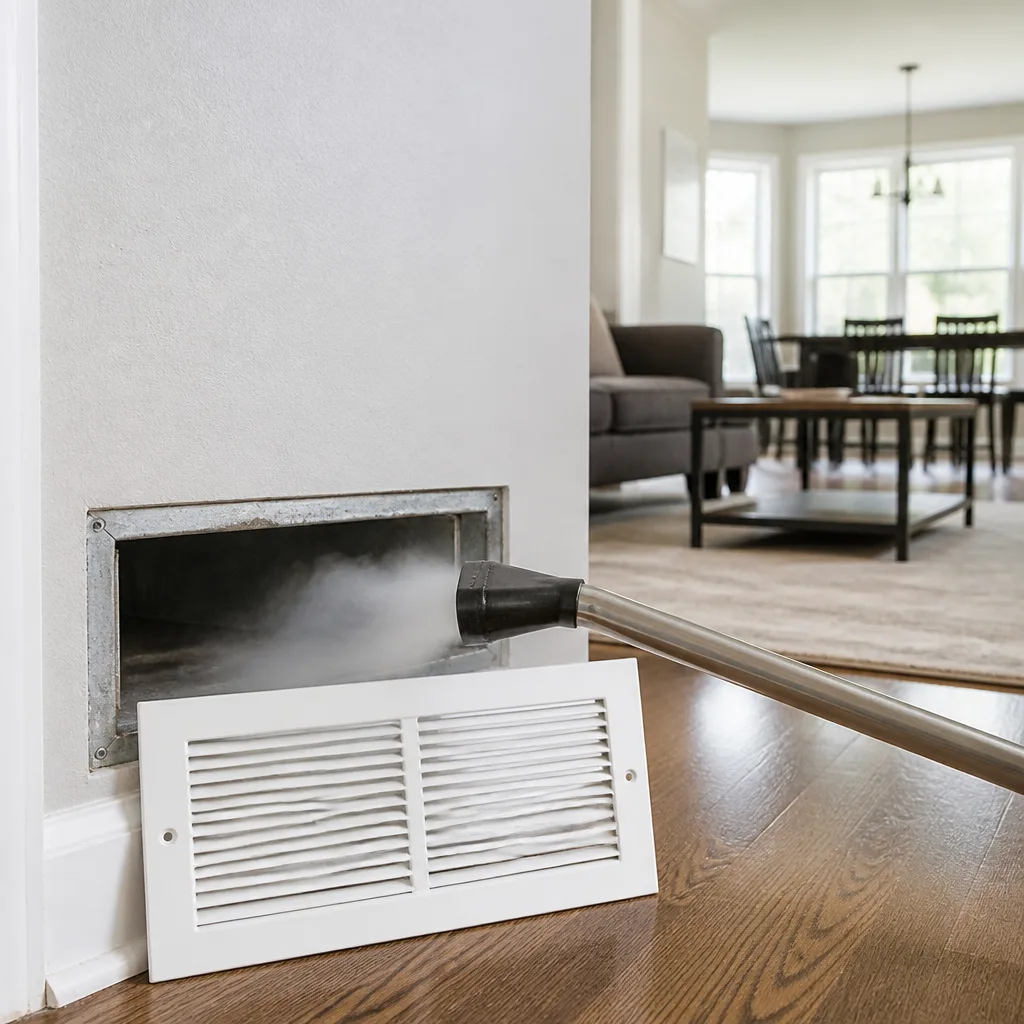 Sanitizing & deodorizing
Whole-system duct and dryer vent check with before-and-after photos - you see exactly what came out of your vents
That "$99 whole-house special" is a bait ad - the real number appears once they are in your hallway, or the "clean" is a shop-vac at the register. We photograph the inside of your ducts before and after instead.
Air Duct Cleaning Emergency Preparedness Guide for San Angelo Homes
Most homeowners treat their ducts like plumbing: invisible, forgettable, and only worth thinking about when something goes wrong. But in San Angelo, the ducts are the part of the house most exposed to the weather that actually hits here – caliche dust carried on West Texas wind, flash flooding that can rise fast in low spots, and wildfire smoke drifting in from the hills. A running HVAC system with a standard filter can pull fine caliche particulate deep into duct liners in under an hour during a bad dust storm. By the time you notice the smell or the dust on the registers, the contamination has already settled in. This guide walks you through what to do before, during, and after those events, and how to tell the difference between ducts that need cleaning and ducts that need repair.
Quick Answer
After a dust storm, flood, or heavy smoke event in San Angelo, shut down your HVAC system, change or upgrade the filter, and have the ducts inspected before you run the system again. If water entered the ductwork, you have about 48 hours before mold can begin colonizing wet fiberglass liner. Standard surface cleaning is not enough after water intrusion – the liner has to be assessed, and damaged sections repaired or replaced.
Styles & brands we work with
- Whole-home duct cleaning
- Dryer vent cleaning
- Camera inspection
- Sanitizing & deodorizing
Table of Contents
- Dust Storm Protocol: Before, During, and After
- Post-Flooding Duct Response and the 48-Hour Window
- Wildfire Smoke and Duct Systems
- Compromised Duct Integrity vs. Surface Contamination
- What Professional Equipment Actually Does
- Documentation for Insurance Claims
- Dryer Vents After a Weather Event
Dust Storm Protocol: Before, During, and After
San Angelo sits in a region where caliche dust is part of daily life. The fine, alkaline particulate that blows across the Concho Valley is smaller than most standard furnace filters are designed to catch, which is why a dust storm is the single most common event that pushes a duct system past its normal load. The good news is that a little preparation goes a long way.
Before storm season
Upgrade your filter before the first big blow, not after. A pleated filter in the MERV 8 to MERV 11 range catches far more fine particulate than the thin fiberglass panel most builders install, and it still lets your system breathe. Check that filter slot for gaps – a filter that doesn’t seal at the edges lets dust bypass it entirely. Walk the return grilles and make sure the frames sit flush against the drywall or ceiling.
During a dust storm
Shut the system down. This is the part most people skip. A running blower is a vacuum, and during a dust storm it’s pulling the outdoor air you’re trying to keep out straight into the return. Turn the thermostat to off, close the windows and exterior doors, and leave the system off until the visibility improves and the wind drops.
After the storm
- Wait for the air outside to clear before restarting anything.
- Pull the filter and look at it. If it’s caked, replace it – don’t vacuum and reuse.
- Wipe down the return grilles and register covers with a damp cloth before you run the system.
- Run the fan for 15 to 20 minutes with a fresh filter and note any musty or gritty smell coming from the registers.
- If the smell persists or you see visible dust on the register fins, schedule an inspection.
Our technicians have up to 13 years of experience with West Texas dust events, and the pattern is consistent: the homes that fare best are the ones that shut down the system and swapped the filter the same day.
Post-Flooding Duct Response and the 48-Hour Window
Water in a duct system is a different problem from dust, and it moves faster. In San Angelo, flash flooding can push water into crawlspaces, garages, and low-lying utility closets where duct runs pass through. Once fiberglass duct liner gets wet, mold can begin colonizing within 48 hours. That’s the window you’re working against.
Why standard cleaning won’t fix a wet duct
Fiberglass liner is porous by design – it absorbs sound and prevents condensation. But that same porosity means water soaks into the material, not just onto the surface. A rotary brush and vacuum will pull loose debris off the surface, but it won’t dry out saturated liner, and it won’t remove mold that has grown into the fiber matrix. Cleaning a wet duct without addressing the moisture source is a temporary fix at best.
What to do in the first 48 hours
- Turn off the HVAC system. Do not run it to “dry things out” – that circulates moisture and spores through the whole house.
- Document the water line with photos and a tape measure before anything is moved.
- Call your insurer if the flooding was weather-related and you plan to file a claim.
- Schedule a duct inspection. A professional can confirm whether liner is saturated and whether sections need to be removed and replaced.
- Do not run the system again until the duct interior has been confirmed dry and clean, or damaged sections have been repaired.
In our experience, the homes that recover fastest after a flood event are the ones where the duct inspection happens in the first day or two, not the first week.
Wildfire Smoke and Duct Systems
Smoke particles behave differently from dust. Where caliche dust is heavy and settles quickly, wildfire smoke is made of extremely fine particulates – much of it in the size range that passes straight through a standard filter and stays suspended in the air for hours. It also carries an odor that clings to surfaces, including the inside of duct walls.
What MERV rating matters for smoke
For smoke events, a MERV 13 filter captures a meaningfully higher share of fine particulate than a MERV 8, and it’s the practical ceiling for most residential systems without restricting airflow. Check your system’s specifications before upgrading – not every blower can handle the pressure drop of a MERV 13, and a filter that’s too restrictive can strain the motor. If you’re unsure, ask before you buy.
When duct cleaning is necessary versus air handler cleaning
Smoke doesn’t always require a full duct cleaning. If the smoke event was brief and your system was off during the worst of it, an air handler cleaning and a filter change may be all you need. Duct cleaning becomes the right call when:
- The smoky odor persists in the house weeks after the outdoor air has cleared
- You can smell smoke at the registers when the system runs
- Visible soot or dark staining appears on register covers or return grilles
- The system ran during the smoke event without a filter upgrade
San Angelo sits downwind of hill country where wildfire activity is a recurring summer and fall concern, so this is a scenario worth planning for rather than reacting to.
Compromised Duct Integrity vs. Surface Contamination
This is the distinction that determines the scope of the work, and it’s the one most homeowners miss. Contamination is a cleaning problem. Compromised integrity is a repair problem. Treating one as the other wastes money and leaves the real issue in place.
How to tell the difference
Surface contamination means the inside of the duct has dirt, dust, or debris on it, but the duct itself is intact. Compromised integrity means the duct has physical damage: disconnected joints, crushed sections, tears in flex duct, holes from rodents or renovation work, or liner that has separated from the duct wall.
- Contamination signs: visible dust on registers, musty or gritty smell, increased dust in the home after the system runs
- Integrity signs: rooms that never seem to heat or cool properly, whistling or rattling at registers, visible disconnected joints in the attic or crawlspace, higher energy bills without another explanation
After a weather event, both problems can show up at once. A flood can saturate liner (contamination) and also loosen joints as materials swell and dry (integrity). A dust storm can pack fine particulate into the liner while a rodent looking for shelter chews a hole in a flex run. That’s why a visual inspection matters more than a cleaning quote over the phone.
We offer duct repair alongside cleaning, which means the assessment doesn’t stop at “how dirty is it.” It answers “what shape is the system in,” and the written estimate reflects that.
What Professional Equipment Actually Does
The difference between a thorough duct cleaning and a surface pass isn’t attitude – it’s equipment. Consumer vacuums and repurposed shop tools aren’t built to agitate duct walls or contain the debris they loosen. Professional systems are.
The equipment we use and why
- Rotobrush: a rotary brush system that mechanically agitates the inside of the duct wall, loosening debris that a straight vacuum pass would leave behind.
- Nikro: HEPA-rated vacuum equipment built for containment-level extraction, so what comes out of the duct stays out of your air.
- Abatement Technologies: air scrubbers and filtration deployed during the job to control contaminants in the work area rather than redistributing them through the house.
That last point matters more than people realize. A vacuum that pulls debris out of a duct but vents fine particulate into the room hasn’t cleaned anything – it’s just moved the problem. We run air filtration during the job so the work area stays controlled while we’re working. It’s the same basic approach used in remediation and restoration work, adapted to a residential duct system.
For homeowners who want to go further after the cleaning, we can advise on whole-home air quality improvements and filtration systems from brands like Honeywell and Aprilaire. That’s a recommendation conversation, not an upsell – if your existing setup is fine, we’ll tell you.
Documentation for Insurance Claims
If a weather event caused water or smoke damage that touched your HVAC or duct system, documentation is what makes a claim go smoothly. Insurers want to see the scope and the cause, not just a receipt for cleaning.
What to gather after a weather event
- Photos of the water line or smoke staining, taken before anything is cleaned or moved, with something for scale.
- Date and time the event occurred, and when you first noticed the damage.
- Photos of the duct system itself – registers, returns, and any accessible duct runs in the attic or crawlspace.
- Your HVAC filter, photographed before you replace it. The condition of the filter is evidence of what entered the system.
- A professional inspection report noting the condition of the duct interior, whether liner is saturated, and whether repair is needed.
- Any receipts for emergency measures you took – filter replacements, temporary repairs, or dehumidification.
An inspection report from a company that does both cleaning and repair carries more weight than a cleaning-only quote, because it can speak to damage as well as dirt. If you’re filing a claim, ask for the report in writing and keep it with your other documentation. We’re happy to work with your insurer on the scope.
Dryer Vents After a Weather Event
A dryer vent is easy to forget until the dryer stops drying, but a clogged or damaged vent is a fire hazard, not just an inconvenience. After a dust storm or flood, vents can pick up lint, debris, or even nesting material from rodents looking for shelter. If your dryer suddenly takes two cycles to dry a load, the vent is the first place to check.
dryer vent cleaning is part of the service mix for exactly this reason. It’s a straightforward job that addresses one of the leading causes of house fires, and it restores dryer efficiency at the same time. It also gives you a chance to confirm the vent flap and exterior termination are intact after a wind event – a flap that’s stuck open lets dust and pests straight in.
Common Mistakes to Avoid
- Running the HVAC during a dust storm. A running blower pulls outdoor particulate directly into the return. Shut it down and wait for the air to clear.
- Cleaning a wet duct without a moisture assessment. If liner is saturated, cleaning just moves surface debris around. The moisture and any mold growth inside the fiber has to be addressed first.
- Assuming a cleaning quote covers repair. Most duct cleaning companies clean; far fewer can identify and fix compromised ductwork. Ask up front whether repair is in scope.
- Reusing a caked filter after a storm. A filter loaded with caliche dust is a wall, not a filter. Replace it – don’t vacuum and put it back.
- Skipping documentation before cleanup. If you plan to file a claim, photos taken before the cleanup are the difference between a smooth claim and a disputed one.
- Ignoring the dryer vent. After a wind event, check the exterior flap and have the vent cleaned if drying times have crept up. It’s a fire safety item, not a maintenance nicety.
- Upgrading to a MERV 13 filter without checking the system. Higher filtration means more restriction. Confirm your blower can handle it before you swap.
See the difference
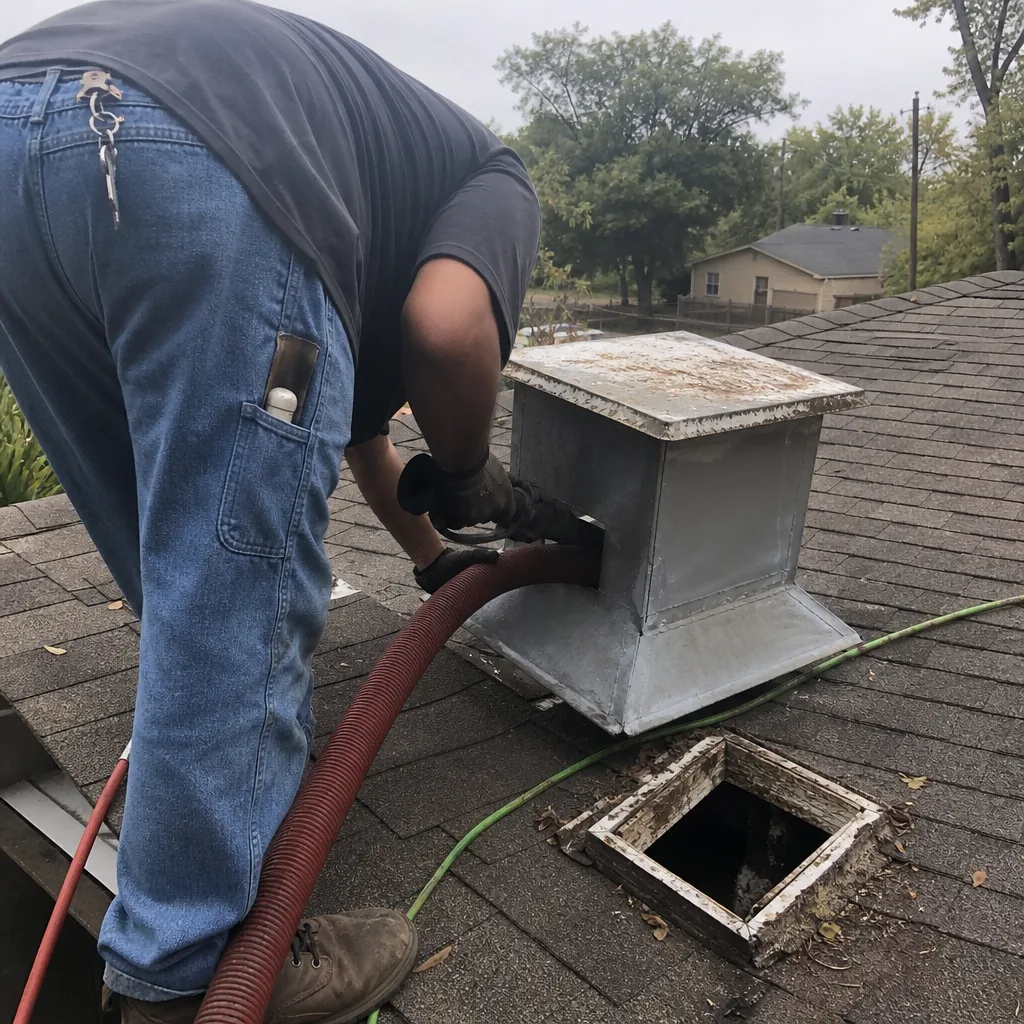 Before
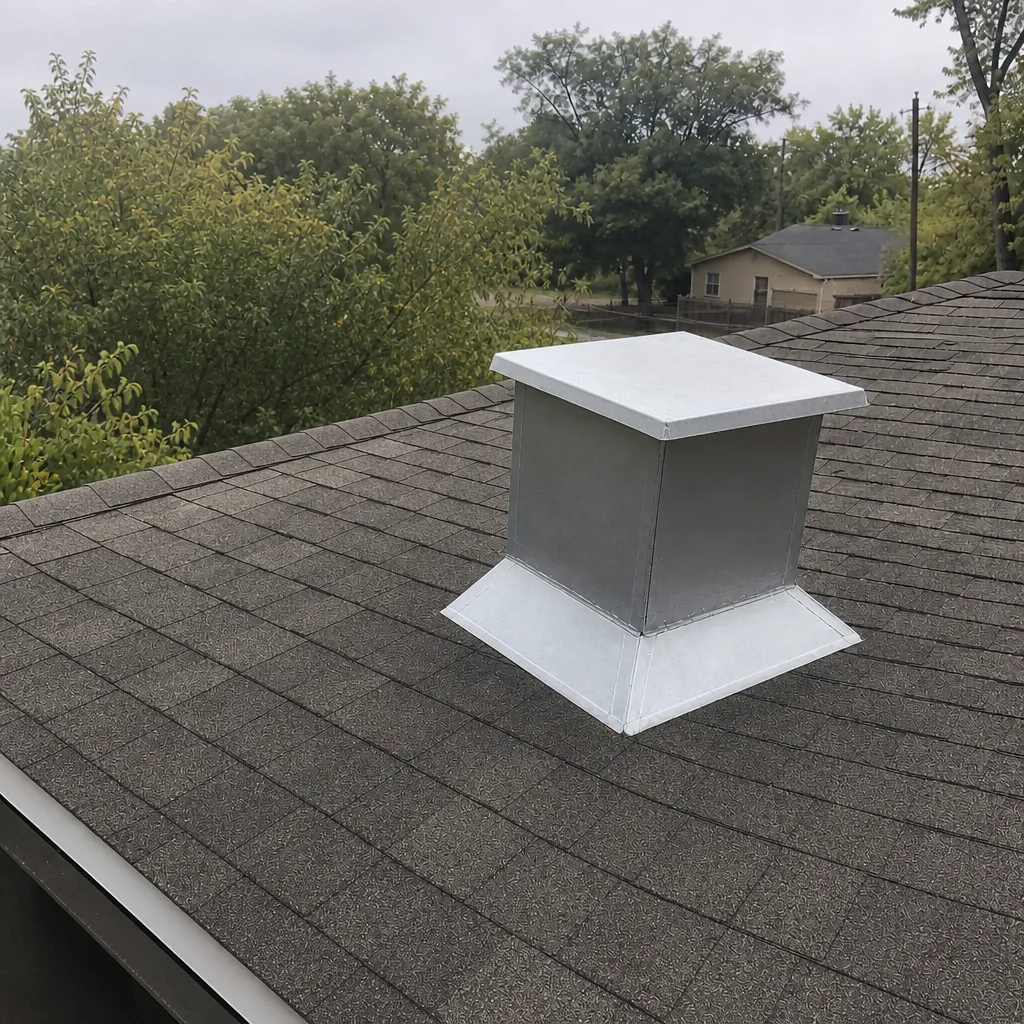 After
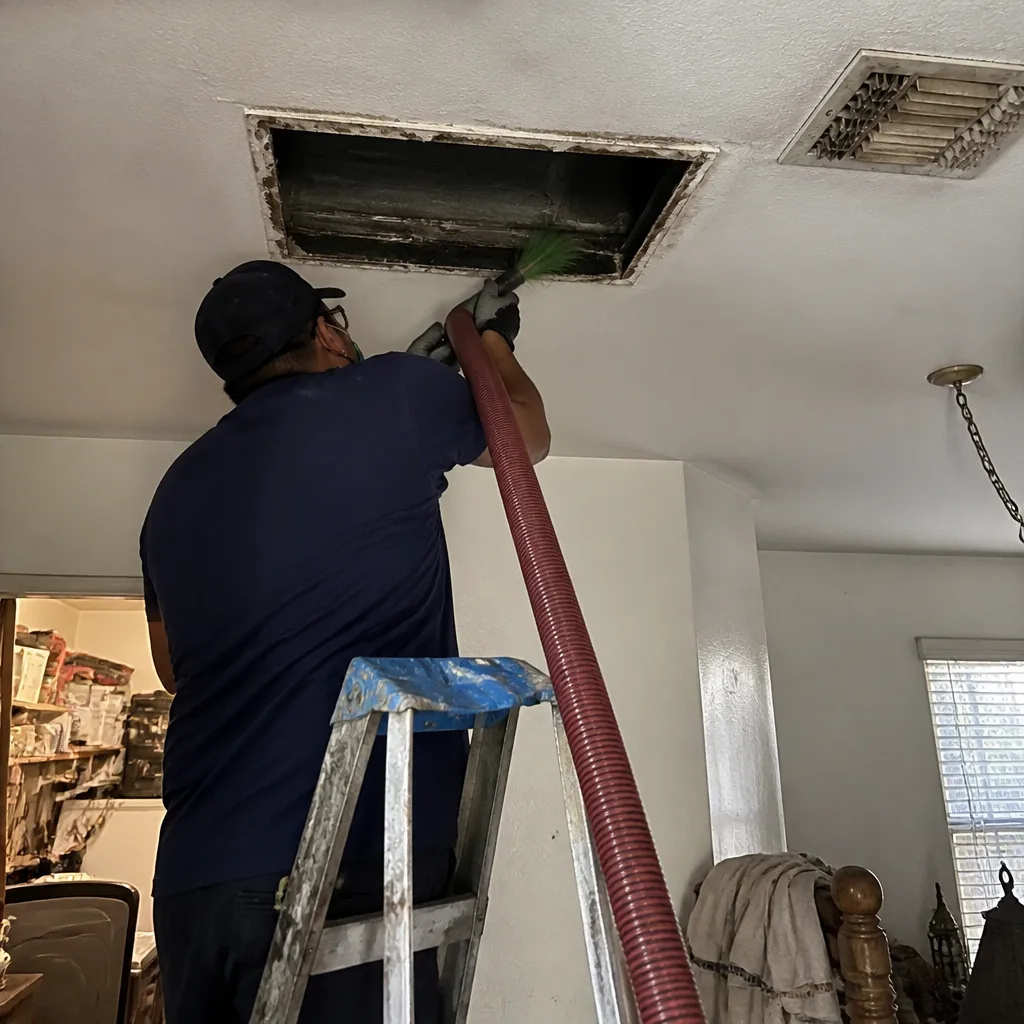 Before
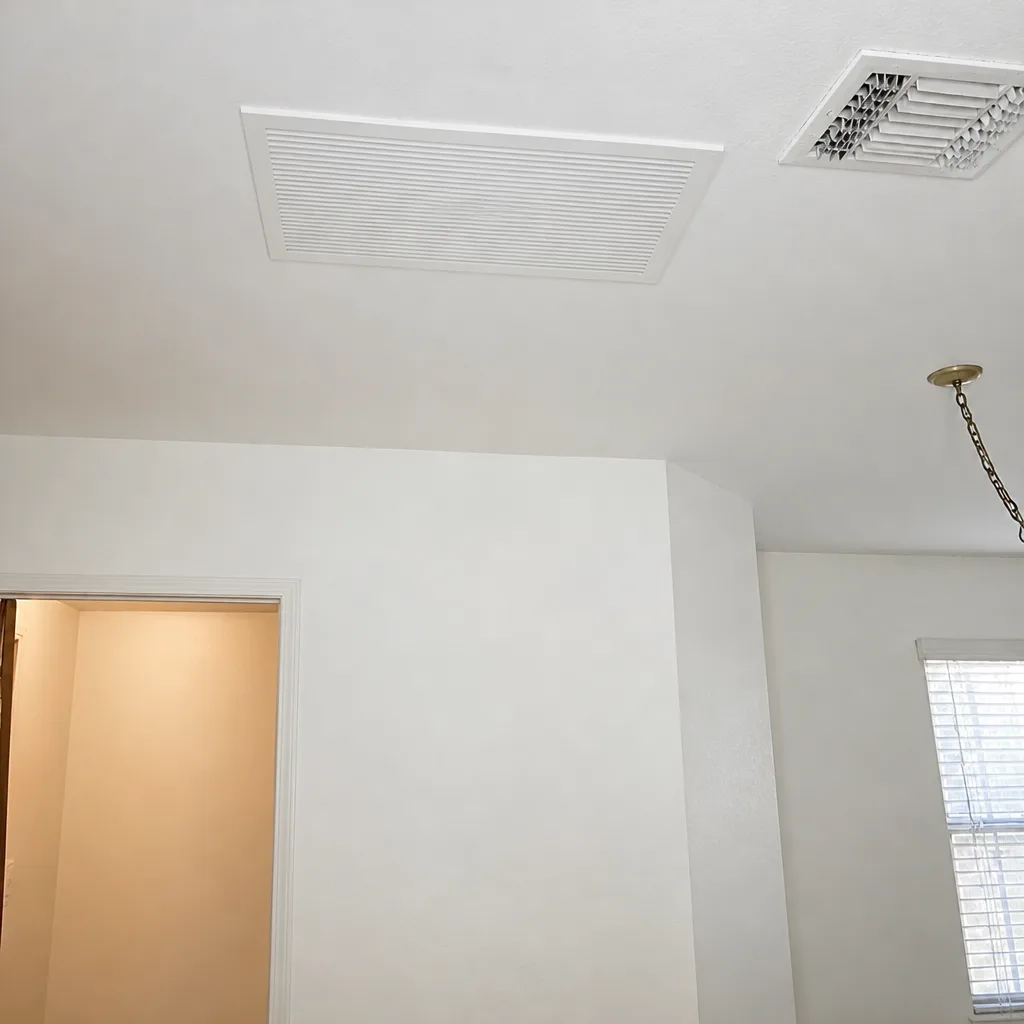 After
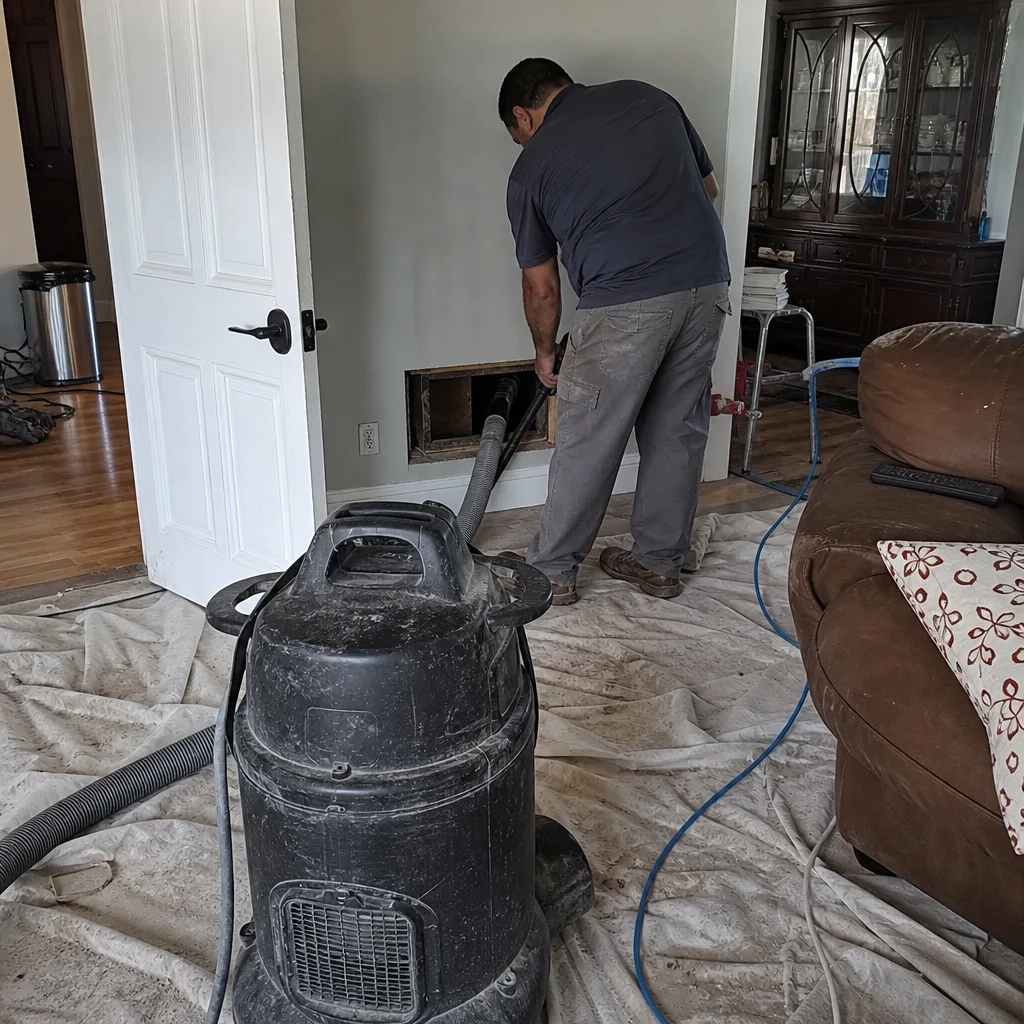 Before
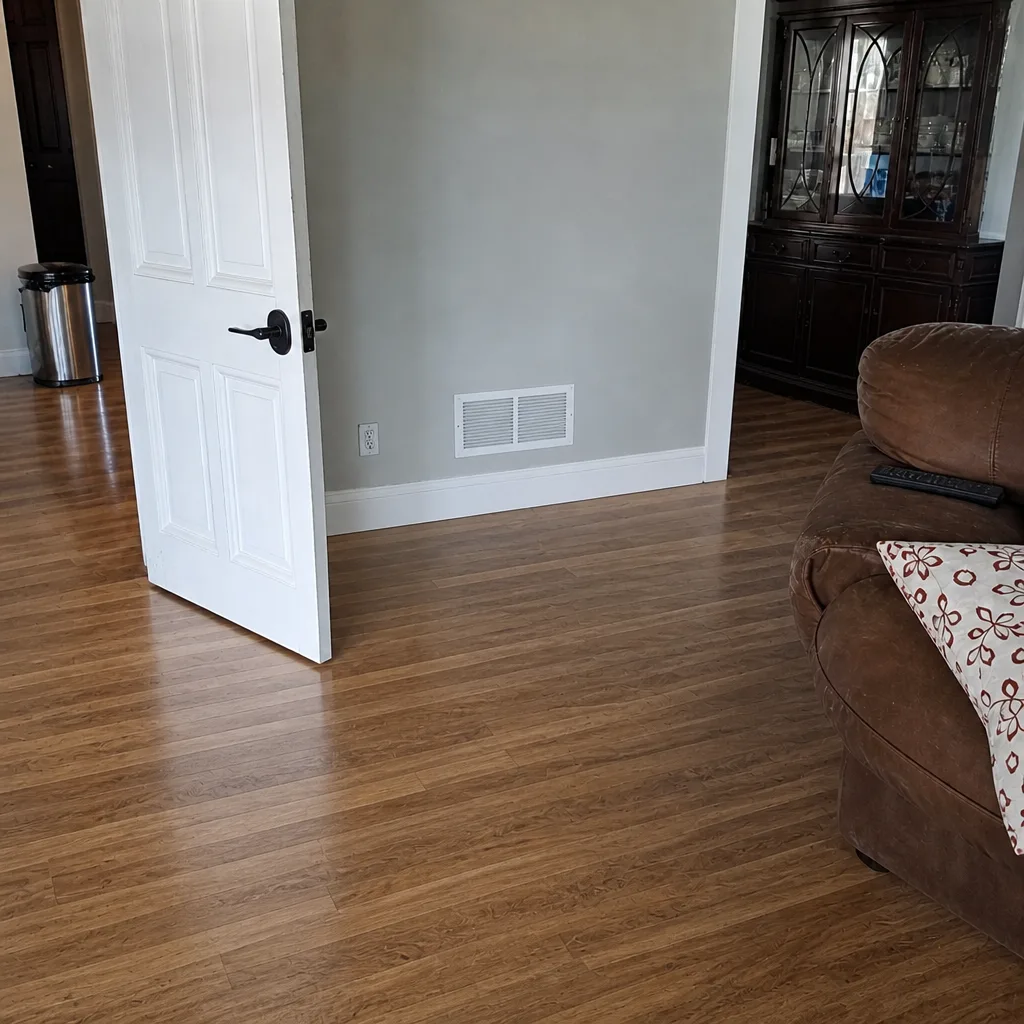 After
When to Call a Professional
Some post-event cleanup is a do-it-yourself job: wiping registers, changing filters, documenting water lines. Other situations call for a professional inspection and, likely, a cleaning or repair. Call us when any of the following apply:
- Water entered the ductwork or the crawlspace where ducts run
- A smoky or musty odor persists at the registers weeks after the event
- You can see visible dust, debris, or damage inside a duct run
- Rooms aren’t heating or cooling evenly, or you hear whistling at registers
- Your dryer takes two cycles to dry a load
- You’re filing an insurance claim and need a written inspection report
Duct Cleaning San Angelo offers free estimates in San Angelo – call (844) 761-5306. We answer 24/7. Fast dispatch from 7am to 7pm, Sunday through Friday. We clean air ducts and repair ductwork, which means the assessment covers contamination and integrity in one visit.
Frequently Asked Questions
No – not every storm. A brief blow with the system off and a fresh filter is usually enough. You need an inspection when the smell or visible dust persists, when the system ran during the storm, or when you see dust settling on registers after a cleaning. San Angelo dust storms vary in intensity, so judgment matters more than a fixed rule.
Within 48 hours. Mold can begin colonizing wet fiberglass duct liner within two days. Turn off the system, document the water line, and schedule an inspection right away. Call (844) 761-5306 for an exact assessment – estimates are free.
No. Running the system after water intrusion circulates moisture and any mold spores through the whole house. Keep it off until the duct interior has been confirmed dry and clean, or damaged sections have been repaired.
Sometimes. If the smoke odor persists at the registers weeks after the outdoor air has cleared, or if the system ran during the event with a standard filter, duct cleaning is the right call. If the event was brief and the system was off, an air handler cleaning and a filter upgrade may be enough. Call (844) 761-5306 for an exact quote – estimates are free.
Dirty ducts smell musty or gritty and show visible dust at the registers. Damaged ducts cause uneven heating and cooling, whistling at registers, or visible disconnected joints in the attic or crawlspace. A visual inspection settles the question. We offer duct repair alongside cleaning, so the assessment covers both.
That depends on your policy and how the damage occurred. A written inspection report documenting the condition of the duct interior and whether repair is needed supports the claim. Gather photos before cleanup and keep the report with your other documentation. We can work with your insurer.
The Bottom Line
San Angelo homes face three distinct duct emergencies: dust storms that pack fine particulate into liners, flooding that can start mold growth within 48 hours, and wildfire smoke that carries far deeper into the system than most filters catch. The response is different for each. Shut the system down during a dust storm, keep it off and call for inspection after water intrusion, and check your filter rating before smoke season. The through-line is the same: contamination is a cleaning problem, damaged ductwork is a repair problem, and a professional inspection tells you which one you’re facing. If you’re in San Angelo and want to know where your ducts stand, call (844) 761-5306. We answer 24/7. Fast dispatch from 7am to 7pm, Sunday through Friday. Free estimates, a written price per job, and before-and-after photos so you can see what was actually done.
Written by the team at Duct Cleaning San Angelo.