
Last updated November 16, 2026
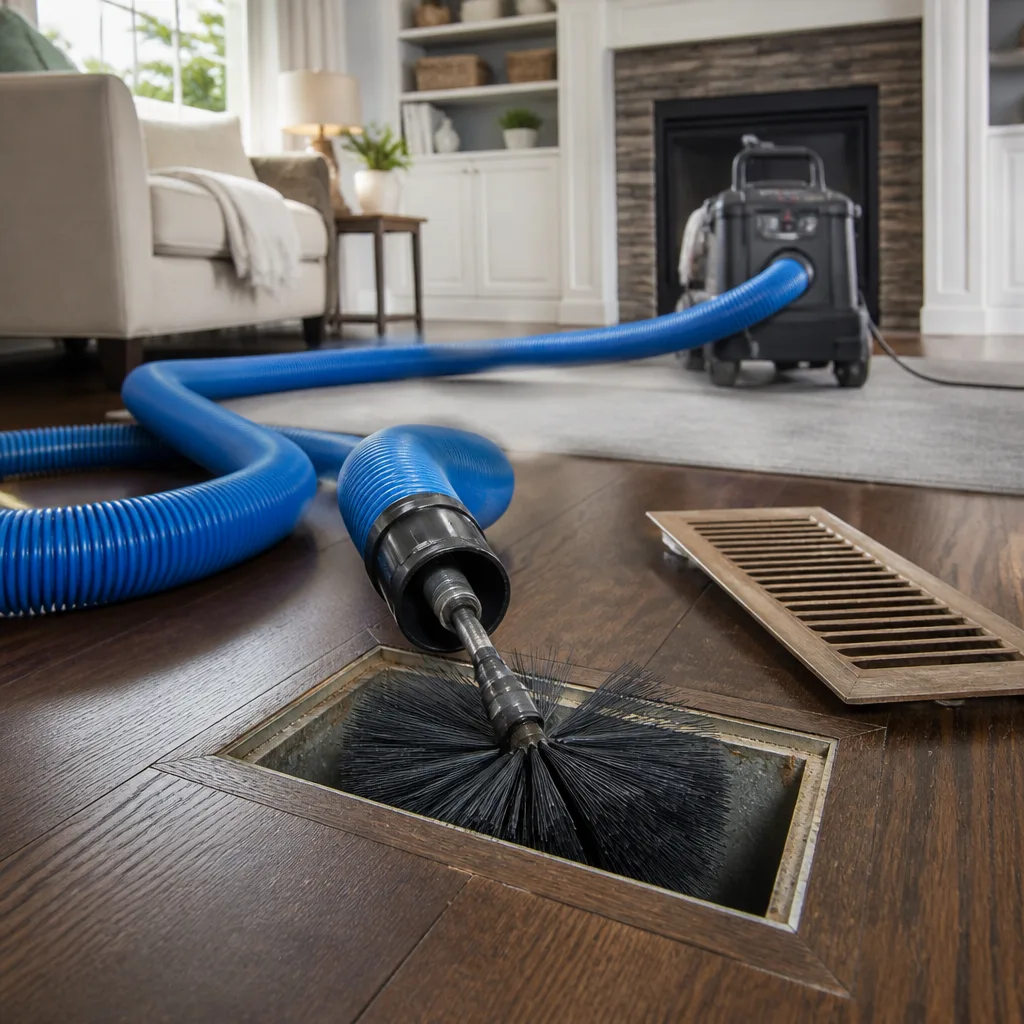 Whole-home duct cleaning
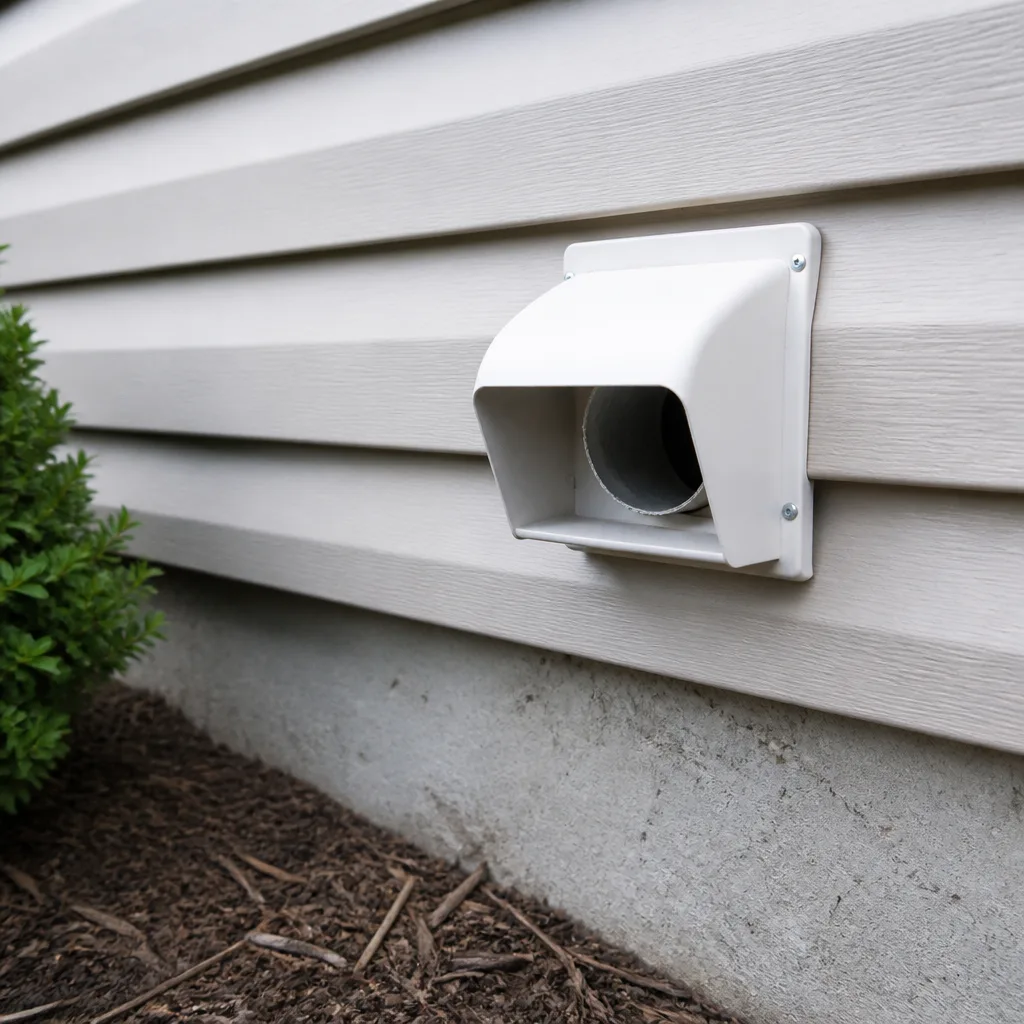 Dryer vent cleaning
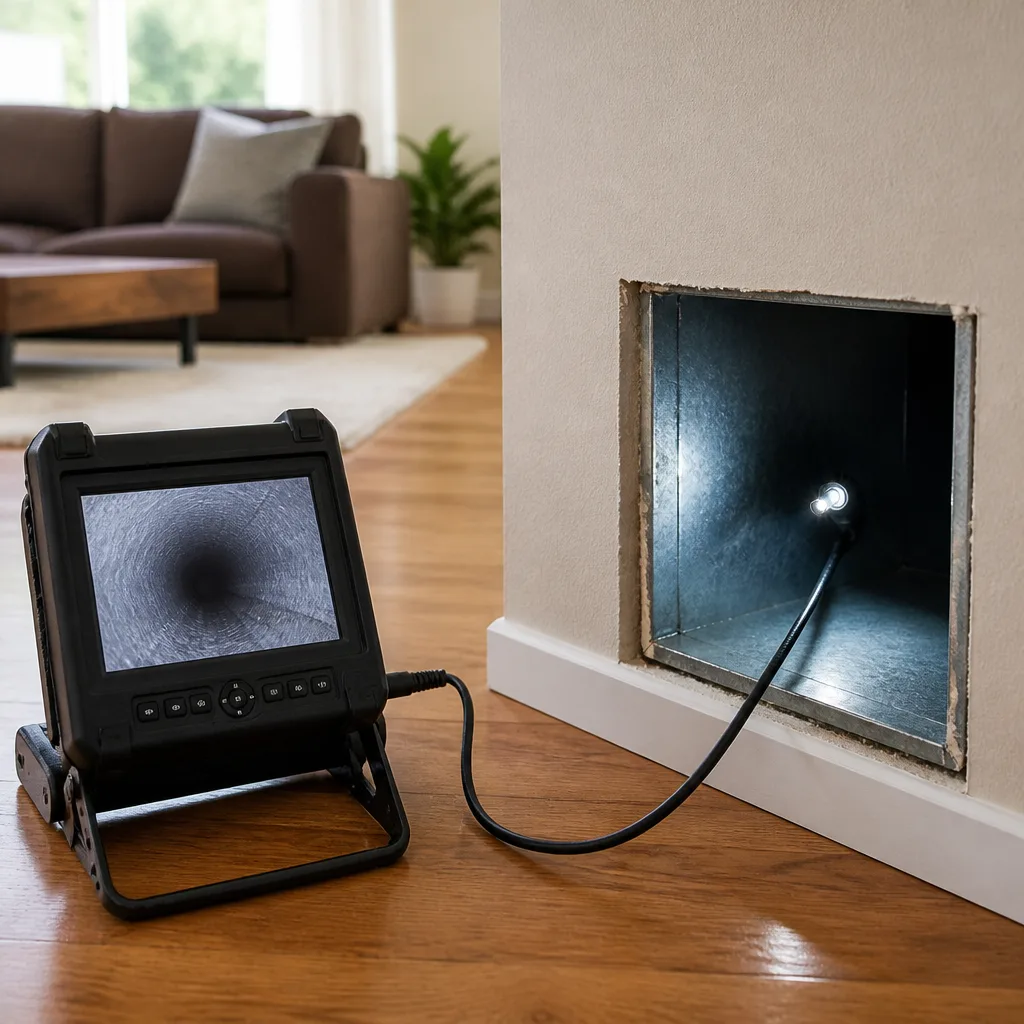 Camera inspection
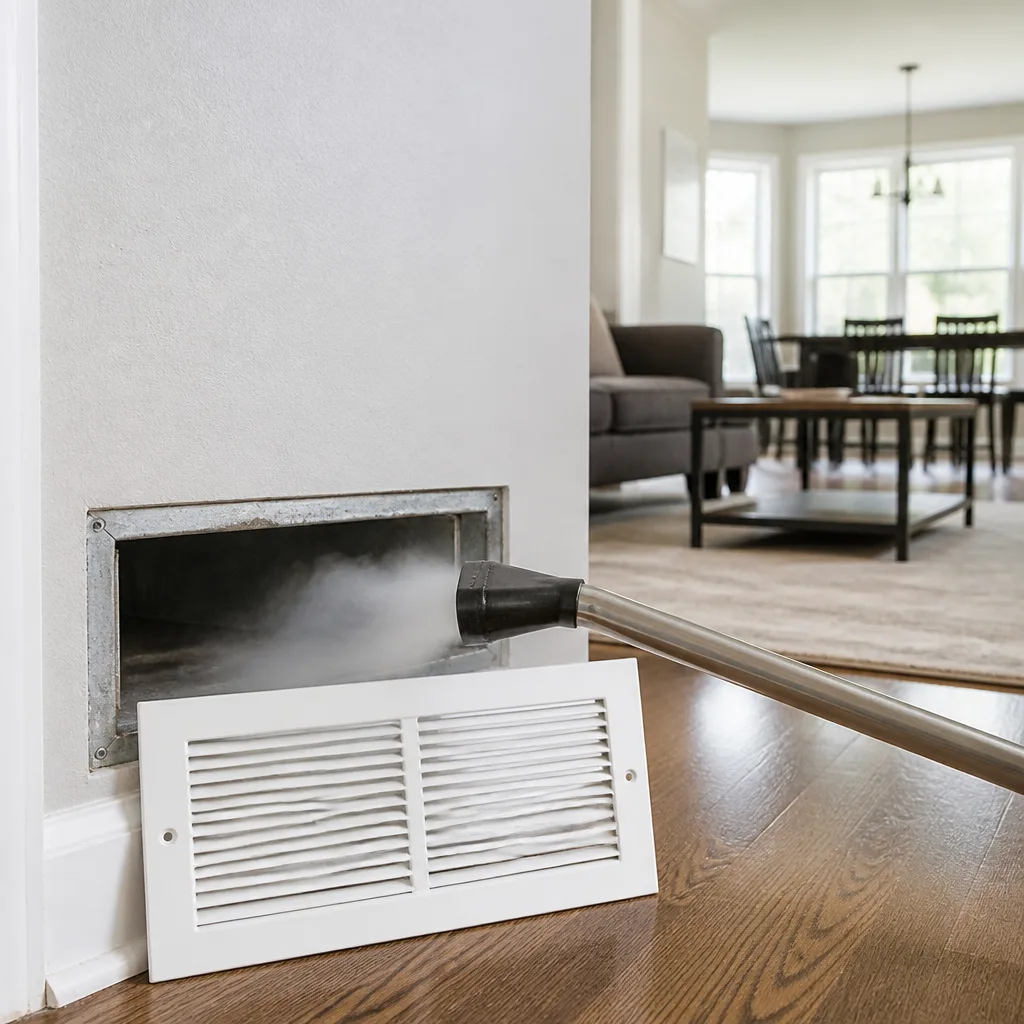 Sanitizing & deodorizing
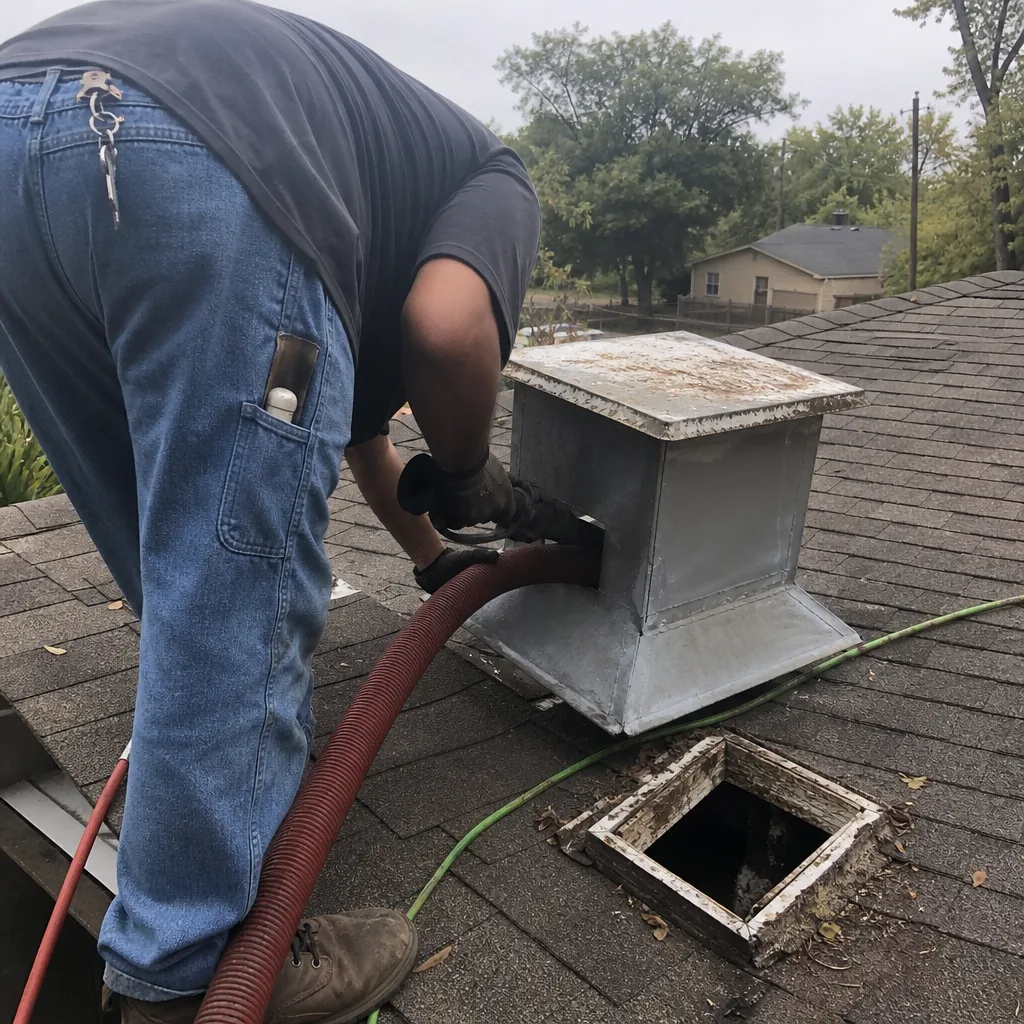
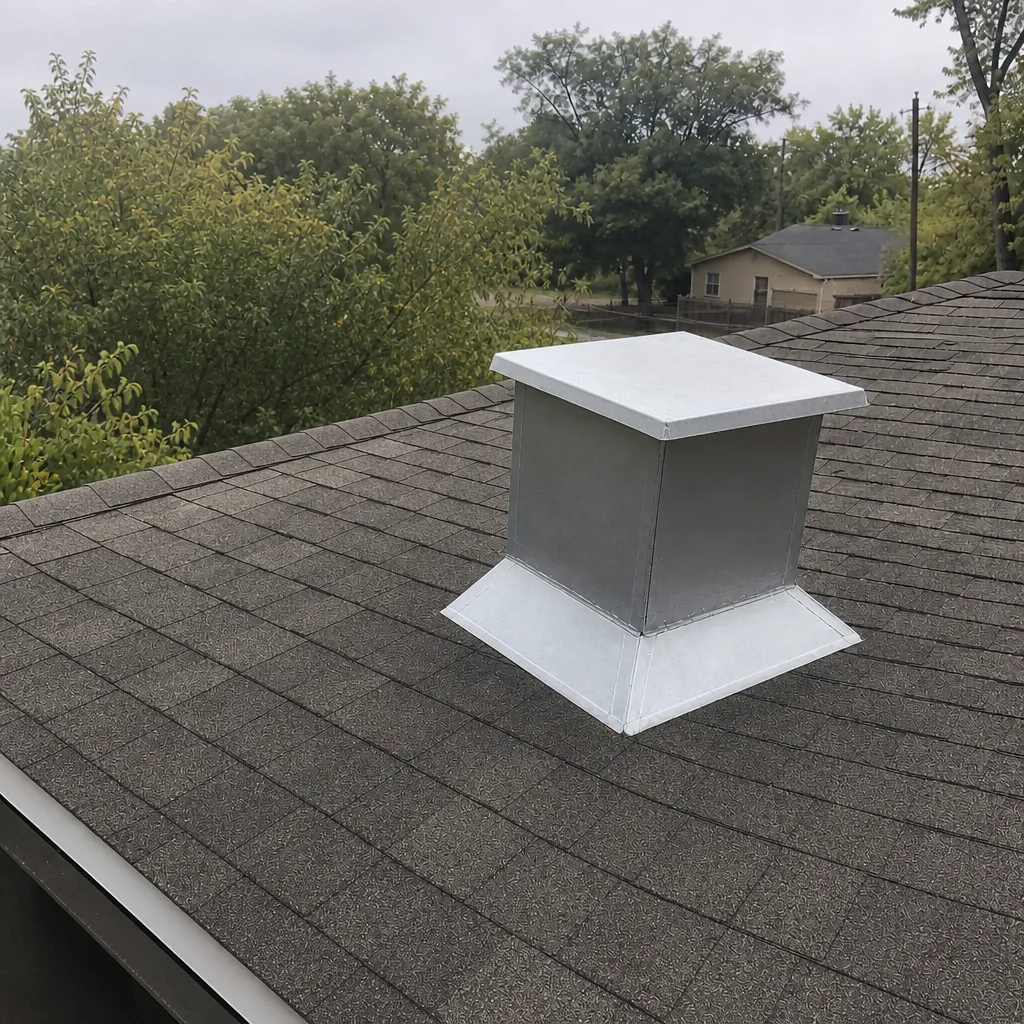
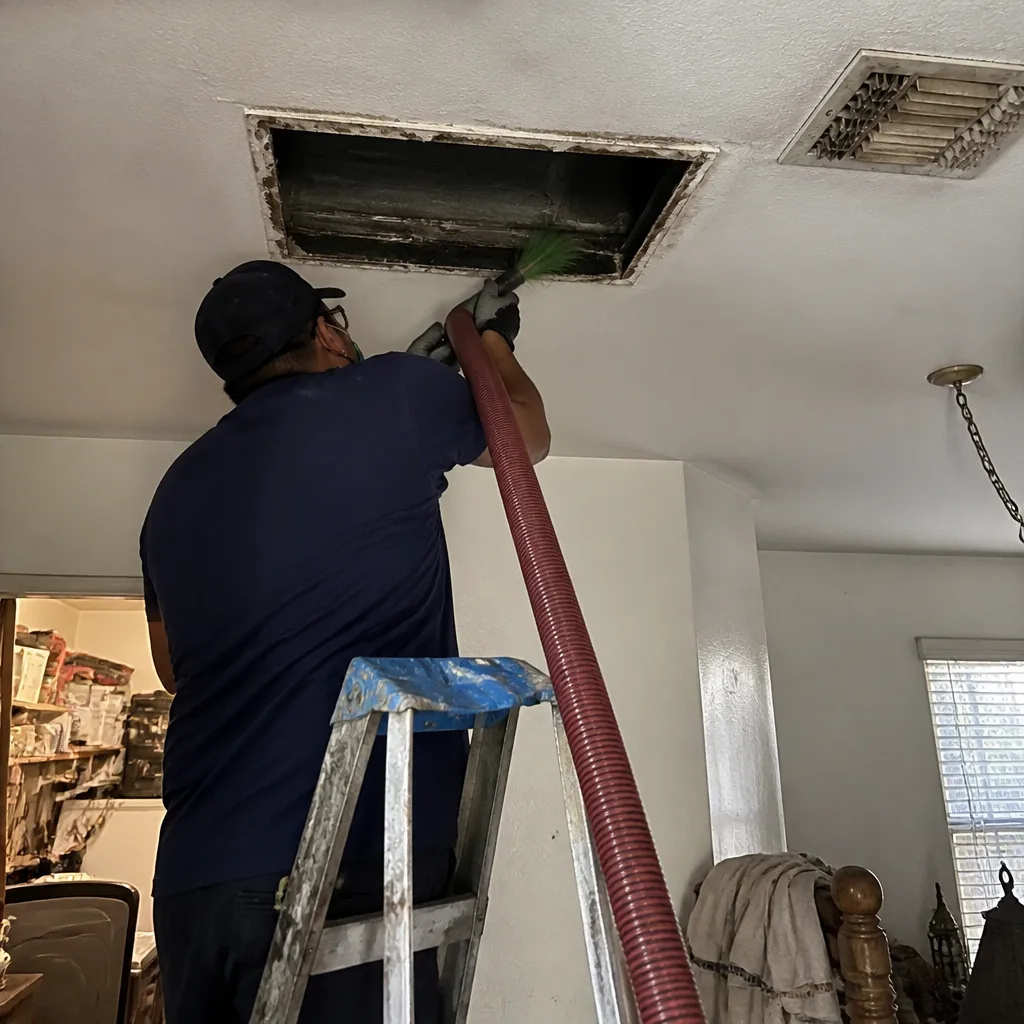
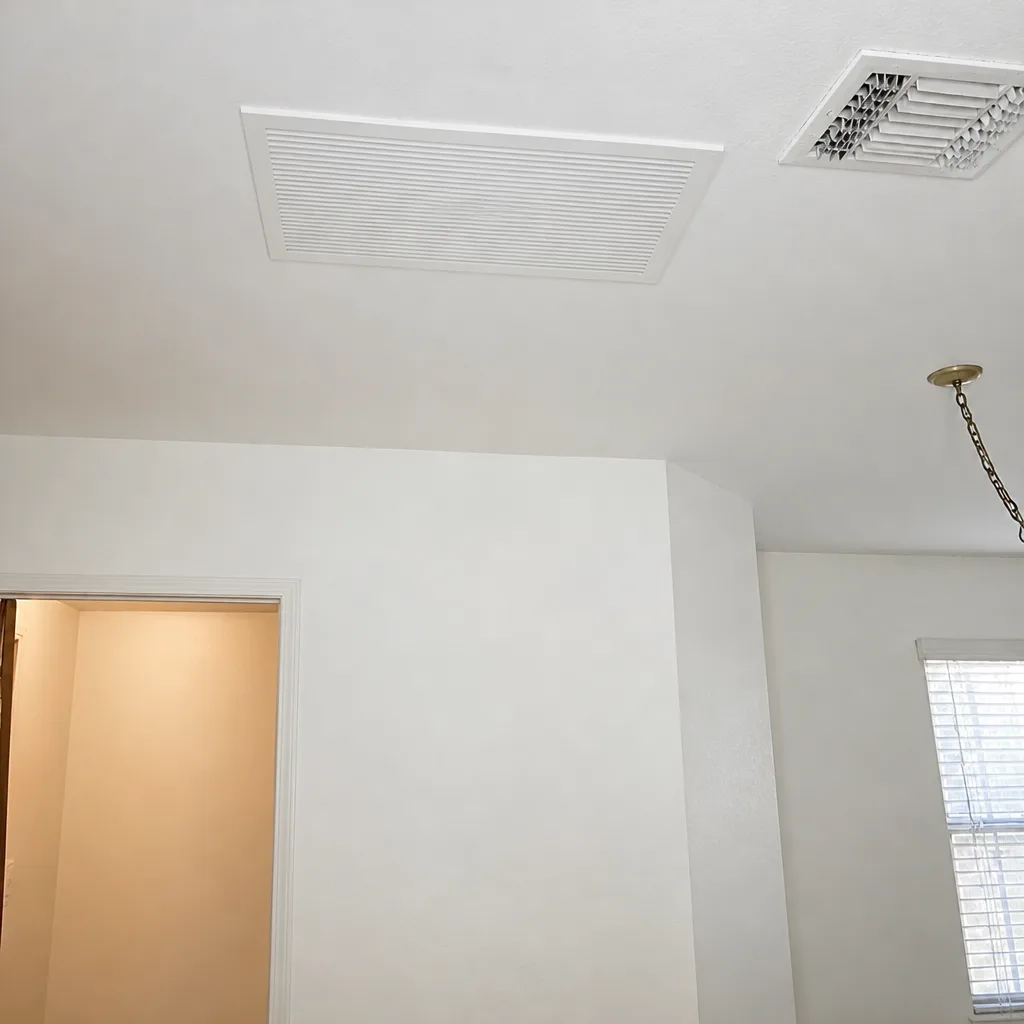
Whole-system duct and dryer vent check with before-and-after photos - you see exactly what came out of your vents
That "$99 whole-house special" is a bait ad - the real number appears once they are in your hallway, or the "clean" is a shop-vac at the register. We photograph the inside of your ducts before and after instead.
Air Duct Cleaning Maintenance Checklist for San Angelo Homeowners
Changing your filter on schedule is the minimum. But in San Angelo, where fine dust rides in through attic bypasses, failing dampers, and return plenums that were never sealed properly, filter swaps alone can mask a system that’s quietly losing ground. We’ve pulled plenty of returns in this city that looked clean at the grille and were coated an inch deep twenty feet down the trunk line. That gap between what you can see and what’s actually happening is the whole reason this checklist exists.
What follows is a task-based schedule you can actually keep: what to check monthly, quarterly, and yearly, how San Angelo’s dust load and long cooling season change the timing, and what to write down before you call anyone. You’ll also learn where filtration ratings help and where they backfire on older ductwork.
Quick Answer
A workable air duct maintenance schedule for a San Angelo home means changing filters every 1 to 3 months depending on dust and pets, checking every register and return grille monthly for visible debris, and booking professional air duct cleaning every 3 to 5 years (sooner after renovation or a major wind event). Between visits, the biggest wins come from sealing attic bypasses, confirming dampers close fully, and logging what you see so the next service call starts with facts instead of guesswork.
Styles & brands we work with
- Whole-home duct cleaning
- Dryer vent cleaning
- Camera inspection
- Sanitizing & deodorizing
Table of Contents
- Why San Angelo Ducts Need Their Own Schedule
- The Monthly Checklist
- The Quarterly Checklist
- The Annual Checklist
- How to Self-Inspect Registers and Return Grilles
- Attic Insulation, Bypass Sealing, and Duct Cleanliness
- Choosing a MERV Rating for San Angelo Homes
- What to Do After Renovation or a Wind Event
Why San Angelo Ducts Need Their Own Schedule
San Angelo sits in West Texas, and the conditions that shape duct maintenance here are specific. Long cooling seasons mean your system runs hard for most of the year. Fine regional dust finds every gap in the envelope. Attic spaces get hot enough that insulation settles and shifts over time, opening pathways for dust to enter the return side. HVAC runtime patterns, not the calendar, drive how fast ducts load up.
That’s why a generic “clean your ducts every few years” rule misses. A household on the south side with two dogs, an older home with an unsealed return chase, and a recently built house with tight construction can all be on completely different schedules. The difference isn’t the neighborhood. It’s how much air moves through the system, how well the envelope holds, and how much dust is available to be pulled in.
Our technicians have up to 13 years of experience, and the pattern we see in San Angelo is consistent: the homes that stay cleanest between visits are the ones where someone is paying attention to the small stuff. Register buildup, a return grille that rattles when the fan kicks on, a slight musty smell when the cooling starts. These are early signals, and they’re free to notice.
Three factors drive the timing for any San Angelo home:
- Runtime hours. A system that runs most of the year moves far more air than one in a milder climate. More air means more dust deposited on duct walls.
- Envelope tightness. Gaps at attic bypasses, around can lights, and at the return plenum pull unconditioned attic air directly into the system.
- Local dust load. West Texas dust is fine and persistent. It settles on surfaces and gets stirred into return air whenever a door opens or the system cycles.
The Monthly Checklist
The monthly tasks take about fifteen minutes and catch most problems while they’re cheap to fix. Do them on the same day each month so they become habit rather than a scramble when something smells wrong.
- Check the filter. Hold it up to a light. If you can’t see through it, replace it. In San Angelo, a filter change every 1 to 3 months is realistic depending on pets, dust, and how much the system runs.
- Look at every supply register. Open the grille and shine a light into the boot. Visible dust accumulation on the boot walls is normal; matted debris or dark streaking is a signal to log it.
- Check return grilles. Returns pull the most air and load up fastest. A return that looks gray or fuzzy at the filter face means the filter is doing its job. A return with debris stuck to the grille itself means something upstream is shedding.
- Listen for changes. A rattle, whistle, or change in airflow strength at a register can indicate a damper has shifted or a duct connection has loosened. Note which room and when it happens.
- Smell test. When the fan starts, does the first minute of air smell musty or dusty? Write it down with the date. This one detail saves a lot of diagnostic time later.
Keep these notes in one place, a notebook or a note on your phone. The log itself is the point. When you eventually call for service, “return in the hallway has been shedding debris since March” is worth more than “the air smells weird sometimes.”
The Quarterly Checklist
Quarterly tasks go a level deeper and catch the slow-moving problems that monthly checks miss. Four times a year, budget about an hour and work through this list.
- Inspect accessible duct runs. If you have a basement crawl or a garage run you can see, look at the exterior of the duct. Sagging flex duct, disconnected joints, or tape that’s peeled away all mean unfiltered air is entering the system.
- Confirm dampers move. If your system has manual dampers on branch runs, cycle them through their full range and back. A damper stuck half-closed starves a room; one stuck open in the wrong season wastes capacity.
- Clear floor and return obstructions. Furniture pushed against return grilles reduces airflow and drives up static pressure. Check every return in the house.
- Vacuum grille faces. A quick vacuum of the grille face and the boot opening removes surface dust before it migrates deeper.
- Check outdoor unit clearance. Clear debris, leaves, and stored items from around the outdoor condenser. Airflow there affects how hard the whole system works.
- Review your filter log. If you’ve replaced filters more than three times in the quarter, your dust load is above average, and that’s useful information for scheduling a professional visit.
One more quarterly habit worth building: walk the house after a windy day and notice which rooms feel dustier. In our experience in San Angelo, the dustiest room is usually the one closest to an envelope gap, not the one with the most foot traffic. That observation points you toward the actual problem.
The Annual Checklist
Once a year, do a deeper pass. This is also the right time to decide whether professional duct cleaning in San Angelo is due, and to handle the one task most homeowners skip entirely.
- Schedule professional duct cleaning if it’s due. For most San Angelo homes, every 3 to 5 years is a reasonable interval. Move it up if you’ve renovated, moved into an older home, or noticed a persistent dust or odor issue.
- Book dryer vent cleaning. This is the annual task people forget, and it’s the one with the most serious consequences. A clogged dryer vent is a leading cause of house fires, and it also forces the dryer to run two cycles to dry a load. Treat it as a safety item, not a convenience one.
- Have ducts inspected for damage and leaks. Cleaning without repair is half a job. Seams pull apart, flex duct kinks, and boots separate from the floor. A proper inspection finds these and fixes them.
- Inspect attic insulation condition. Settled, compressed, or displaced insulation leaves gaps where dust enters. Note the condition even if you don’t act on it immediately.
- Review your whole-home air quality setup. If you have a Honeywell or Aprilaire filtration or humidity component, have it checked as part of the annual visit. These systems work best when the ducts feeding them are clean.
- Set next year’s filter schedule. Based on the year’s log, pick filter replacement months and write them down.
How to Self-Inspect Registers and Return Grilles
You don’t need tools to do a useful inspection. A flashlight and a phone camera are enough, and you can do it in twenty minutes. The goal isn’t to diagnose the system. It’s to collect specific observations you can hand to a professional.
Start with supply registers. Remove the grille (most lift out or have two screws) and look into the boot, the short section between the grille and the duct. What you’re looking for:
- Uniform light dust. Normal. Vacuum the grille face and move on.
- Matted or clumped debris. Not normal. Log the room and date.
- Dark streaking or staining. Suggests moisture or heavy accumulation. Log it and mention it when you call.
- Visible daylight or a gap at the boot edge. A gap means air is leaking. Log it as a repair candidate.
Returns deserve more attention because they move the most air. Look at the filter face and the grille itself. Debris stuck to the grille rather than the filter means something upstream is shedding material into the airstream. Take a photo with your phone and note the room.
Build a simple log with four columns: date, location, what you saw, and whether it changed since last time. That log is the difference between a service call that starts with a plan and one that starts with a walk-through. If you want a baseline assessment before you start logging, the team at San Angelo can walk you through what a thorough inspection covers.
Attic Insulation, Bypass Sealing, and Duct Cleanliness
Here’s the part most maintenance checklists leave out: your ducts are only as clean as the air and the envelope around them allow. In San Angelo, attic conditions matter enormously. Attic bypasses, which are gaps where interior air pathways meet the attic, pull unconditioned, dusty attic air directly into the return side of the system. You can clean the ducts thoroughly and refill them with attic dust within a season if the bypasses stay open.
Common bypass locations in San Angelo homes include:
- Around recessed can lights in ceilings below the attic
- At the top plates of interior walls that run into the attic
- Around plumbing and wiring penetrations
- At the return plenum where it meets the air handler
- At dropped soffits and chase openings
Insulation condition matters too. Settled or compressed insulation leaves the top of the attic less protected, and in a hot West Texas attic that changes the temperature dynamics inside the duct runs. Displaced insulation around duct boots also opens pathways for dust.
What we can do is identify compromised ductwork and fix it. That’s the repair side of the service, and it’s where a lot of duct cleaning companies stop. We clean it, and if it’s broken, we fix it. Sealing a disconnected boot or reconnecting a pulled-apart flex run does more for long-term duct cleanliness than any single cleaning visit. If your annual inspection turns up damaged runs, that’s a repair conversation, not just a cleaning one.
Choosing a MERV Rating for San Angelo Homes
Higher MERV isn’t automatically better, especially in older San Angelo homes. MERV ratings describe a filter’s ability to capture particles, and a higher rating also means more resistance to airflow. Push the rating too high on a system with older ductwork or a blower that wasn’t sized for it, and you get reduced airflow, higher static pressure, and a system that works harder than it should.
Here’s how we’d frame the choice:
- Standard household, no allergy concerns: a MERV 8 to 11 filter balances filtration and airflow well for most systems.
- Household with allergy concerns: MERV 11 to 13 captures finer particles, but confirm your system can handle the added restriction before you commit. In an older San Angelo home with tight return ductwork, this is worth a conversation.
- Household with pets or heavy dust: the filter rating matters less than the replacement interval. A MERV 8 changed monthly beats a MERV 13 left in for six months.
- Older duct systems with known restrictions: stay conservative on MERV and put the effort into sealing and cleaning instead. Higher filtration can’t overcome a system that’s already starved for airflow.
If whole-home filtration is part of your longer-term plan, systems from Honeywell and Aprilaire are built to handle higher filtration without the same airflow penalty, because they’re designed as part of the system rather than as a drop-in filter. We’re familiar with both and can advise on what fits your setup after a cleaning. That’s the right order: clean and repair first, then improve filtration.
What to Do After Renovation or a Wind Event
Construction and West Texas wind events are the two fastest ways to load up a clean duct system. Both push fine debris into the return side, and both deserve a specific response rather than a wait-and-see approach.
After a renovation, the sequence matters:
- Keep the system off during active demolition and sanding. Drywall dust and sawdust are exactly the particles that settle on duct walls and stay there.
- Seal return grilles with plastic and tape during heavy dust work. This is temporary containment, and it’s worth the ten minutes.
- Change the filter immediately after the work ends. Don’t wait for the next scheduled change.
- Book a professional cleaning before the system runs a full season. Drywall dust that migrates into the duct system can coat the blower and the evaporator coil, and that’s a more expensive problem than a cleaning.
- Have the ducts inspected for damage. Renovation traffic in an attic or crawl space frequently disconnects or crushes flex runs.
After a major wind event, the response is simpler: check the filter, check the return grilles, and look for visible dust intrusion around windows and attic access. If you can see dust plumes inside the house when the wind blows, the envelope has a gap, and that gap is feeding your ducts. Document what you see with photos and dates.
For both scenarios, professional equipment makes a real difference. The Rotobrush rotary brush system agitates debris off duct walls mechanically, and Nikro HEPA-rated vacuum equipment extracts it under containment. During the job, we run Abatement Technologies air filtration to keep contaminants controlled in the work area rather than redistributing them through the house. That’s the same class of equipment used in remediation and restoration work, and it’s the reason a thorough cleaning actually changes what’s in the ducts.
Common Mistakes to Avoid
- Relying on filter changes alone. A clean filter doesn’t clean the duct walls behind it. In San Angelo’s dust environment, filters catch what’s in the airstream, not what’s already settled.
- Choosing the highest MERV rating available. On older duct systems, an overly restrictive filter can starve the system of airflow and cause more problems than it solves. Match the rating to the system.
- Skipping the annual dryer vent cleaning. This is the single most commonly skipped task on the list, and it’s the one with fire-risk implications. If your dryer takes two cycles to dry a load, the vent is overdue.
- Cleaning without inspecting for damage. Surface cleaning on leaky, disconnected ducts is wasted effort. If the ducts are compromised, seal and repair first.
- Ignoring attic bypasses. You can clean the ducts thoroughly and still refill them with attic dust within a season if the bypasses stay open. Address the envelope, not just the ducts.
- No written log. Without a record, every service call starts from zero and you can’t tell whether a problem is new or has been building for a year.
- Assuming a cheap quote covers the same work. Ask what equipment will be used, whether the work includes an inspection and repair assessment, and whether air filtration will run during the job. Those answers separate a thorough cleaning from a surface pass.
See the difference
 Before
 After
 Before
 After
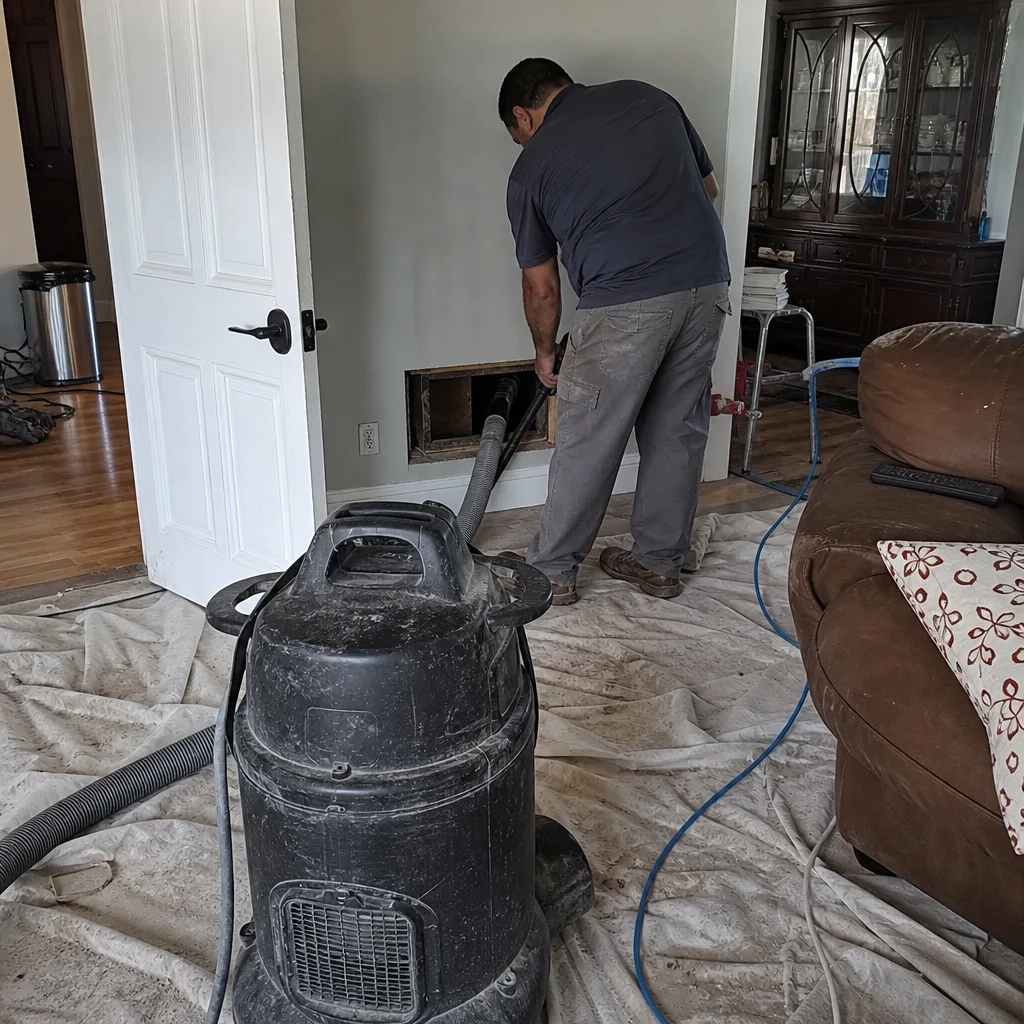 Before
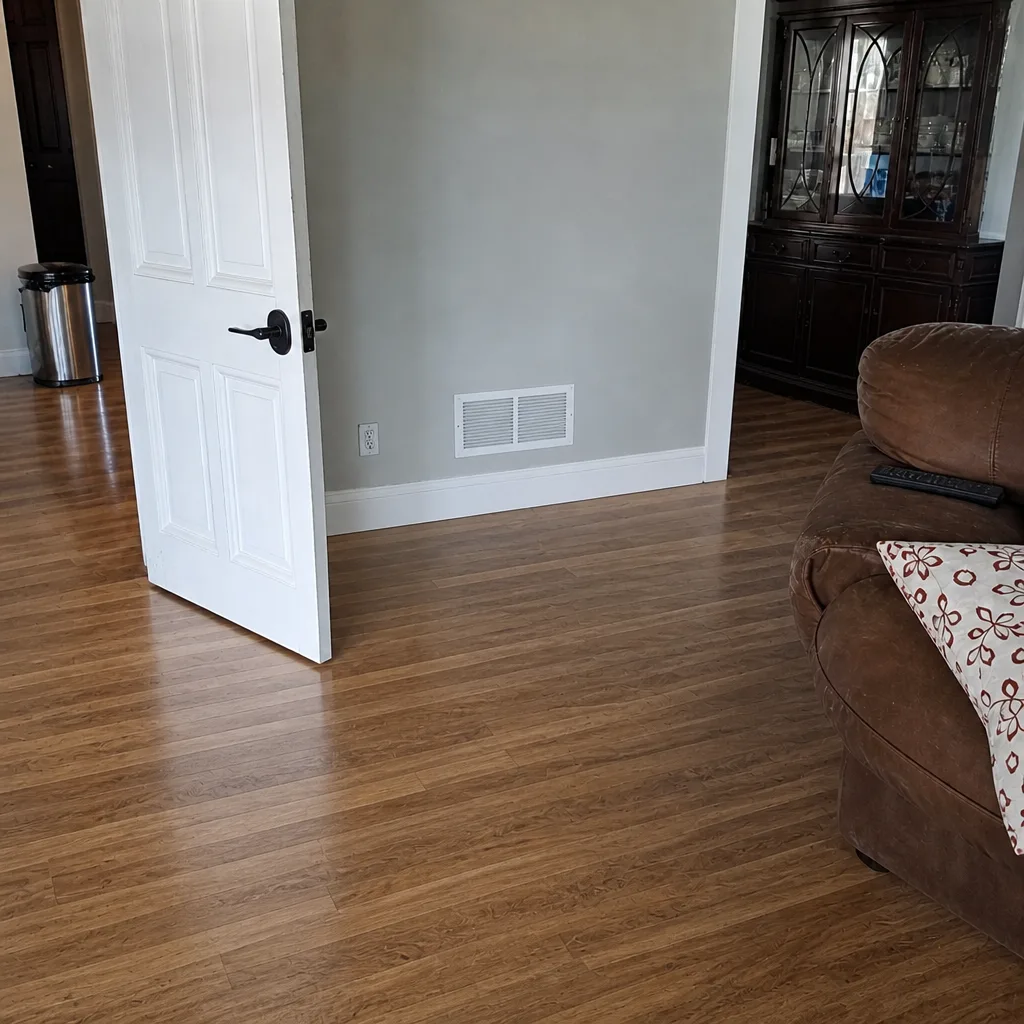 After
When to Call a Professional
Some items on this checklist you can handle yourself. Others need professional equipment and an experienced eye. Call a professional if any of these apply: you’ve renovated or moved into an older San Angelo home and haven’t had the ducts inspected; your monthly log shows persistent debris at multiple returns; you smell mustiness when the system starts; your dryer takes two cycles to dry a load; you can see disconnected or crushed duct runs; or it’s simply been more than five years since the last professional cleaning.
Duct Cleaning San Angelo offers free estimates in San Angelo. Call (844) 761-5306 and we’ll walk through what your log shows and what a service visit would cover. We answer 24/7. Fast dispatch from 7am to 7pm, Sunday through Friday. The estimate is free, and the price is set per job by the written estimate, so you know what you’re approving before any work starts.
Frequently Asked Questions
Most San Angelo homes need professional air duct cleaning every 3 to 5 years. Move that up if you’ve renovated, moved into an older home, have pets, or have noticed persistent dust or odor issues. The high runtime hours and fine regional dust in West Texas load ducts faster than in milder climates, so the upper end of that range is realistic for many households.
Air duct cleaning in San Angelo is priced per job, not per vent, and the written estimate sets the final price before any work starts. That structure exists to avoid the bait-and-switch problem where a low teaser price becomes a much larger invoice on site. Call (844) 761-5306 for a free estimate specific to your home.
Cheaper quotes usually reflect less equipment and less time. A thorough job uses professional-grade systems like Rotobrush and Nikro, runs air filtration during the work, and includes an inspection for damage and leaks. A cheaper bid may mean a surface pass with no containment and no repair assessment. The right question isn’t the price; it’s what’s included.
You should see before-and-after photos of your own ducts, not stock images. Ask for them. A professional job also includes a clear explanation of what was found, what was cleaned, and whether any repair work is recommended. If a contractor can’t show you evidence from your own system, that’s your answer.
A MERV 8 to 11 filter works well for most San Angelo homes. Households with allergy concerns may benefit from MERV 11 to 13, but confirm the system can handle the added airflow restriction first. Older duct systems often do better with a conservative rating and a focus on sealing and cleaning rather than higher filtration.
Yes, and it should be treated as a safety item. Dryer vents are a leading cause of house fires, and a clogged vent also forces the dryer to run two cycles to dry a load. Annual cleaning is the right interval for most households. Call (844) 761-5306 to add it to your service visit and get an exact quote.
The Bottom Line
A filter swap is the floor, not the ceiling. The San Angelo homes that stay cleanest between professional visits are the ones where someone is running a monthly check, keeping a written log, and paying attention to attic bypasses and duct damage rather than just the filter slot. Build the schedule this guide lays out: monthly register and filter checks, quarterly damper and duct inspections, and an annual pass that includes professional cleaning when it’s due, dryer vent cleaning every year, and a damage inspection alongside every cleaning. Professional-grade equipment from Rotobrush and Nikro, with Abatement Technologies filtration running during the job, is what makes a cleaning verifiable. Cleaner ducts. Healthier air. Verifiable results.
If you’d rather start with a baseline, Duct Cleaning San Angelo offers free estimates in San Angelo. Call (844) 761-5306. We answer 24/7. Fast dispatch from 7am to 7pm, Sunday through Friday.
Written by the team at Duct Cleaning San Angelo.