
Last updated November 16, 2026
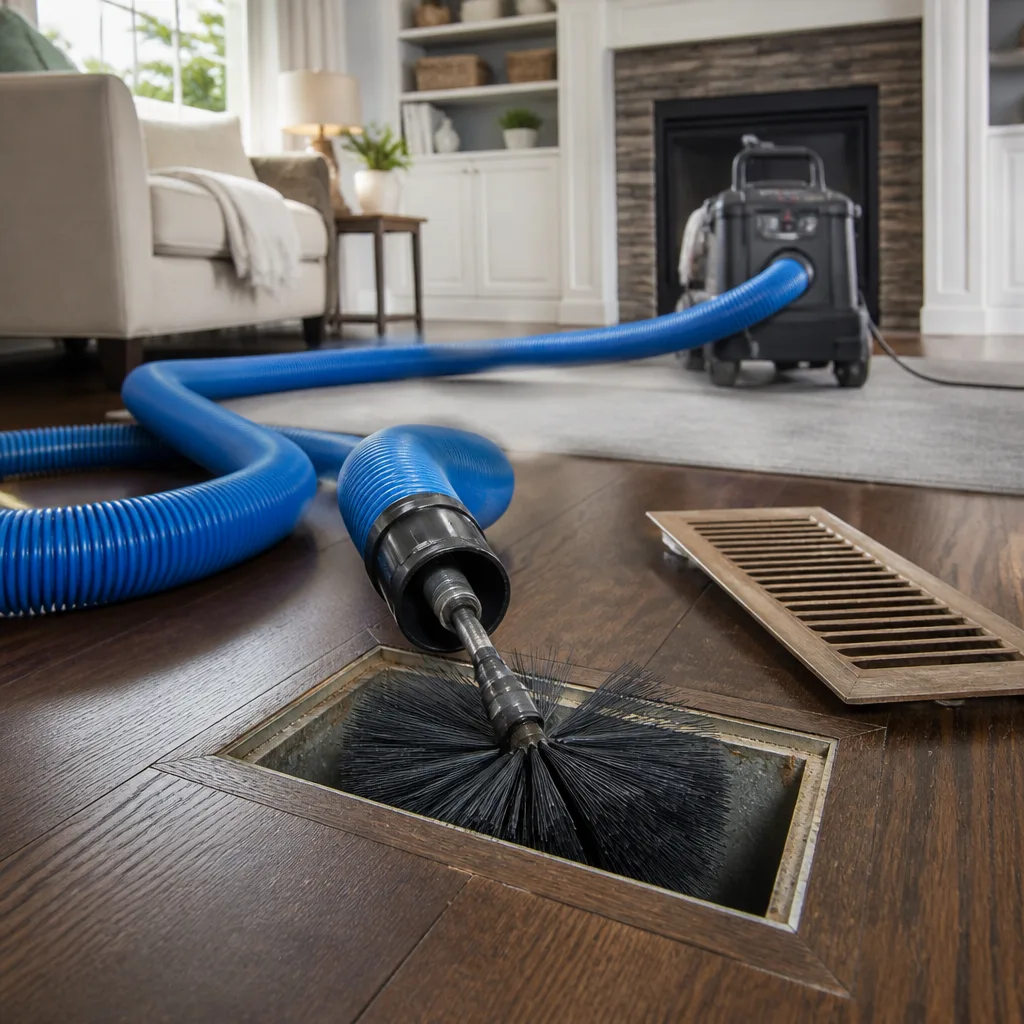 Whole-home duct cleaning
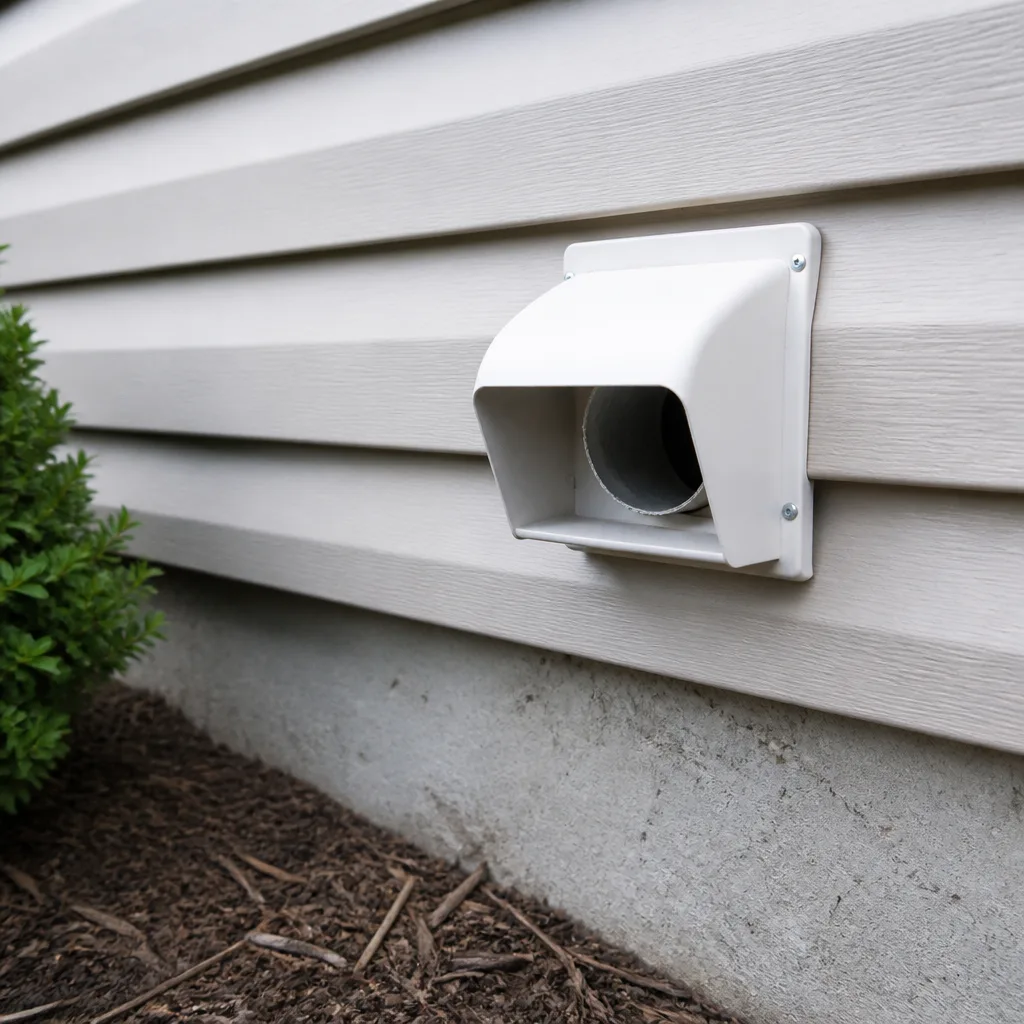 Dryer vent cleaning
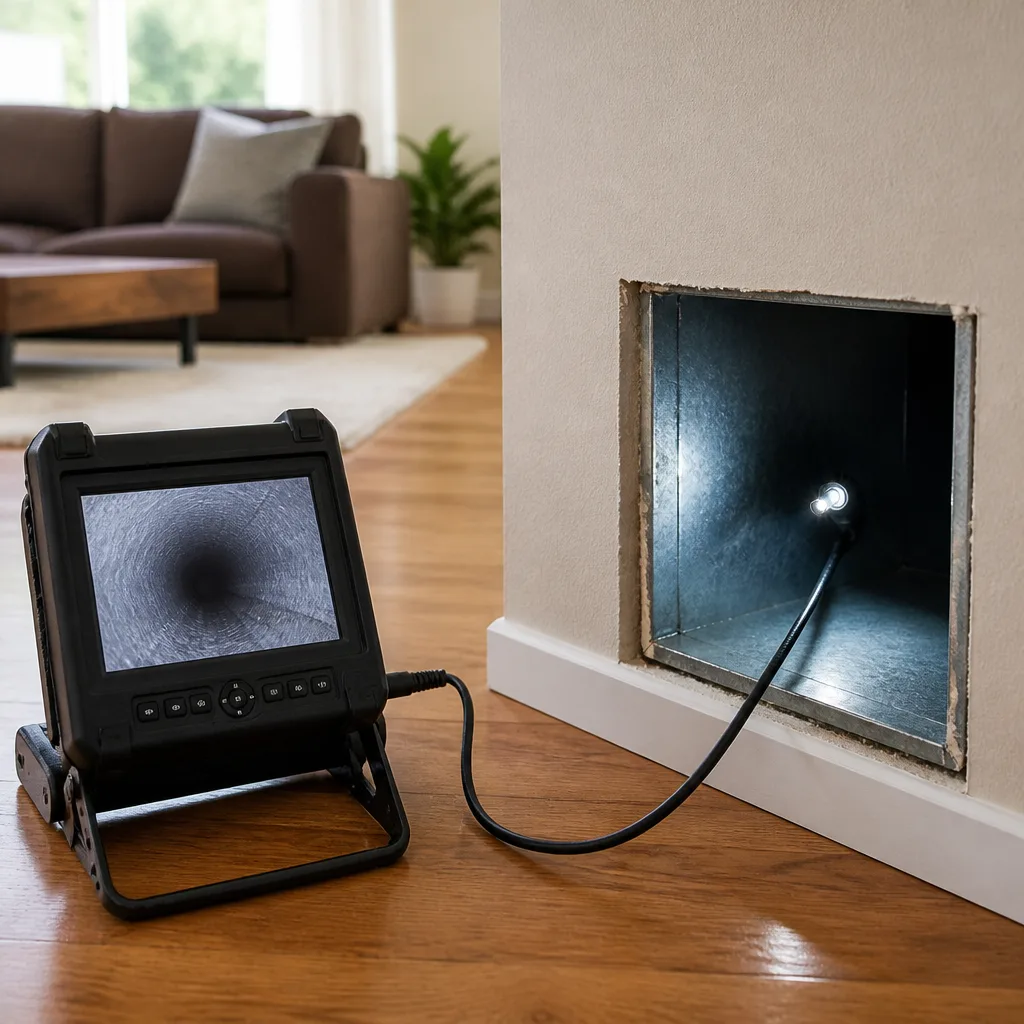 Camera inspection
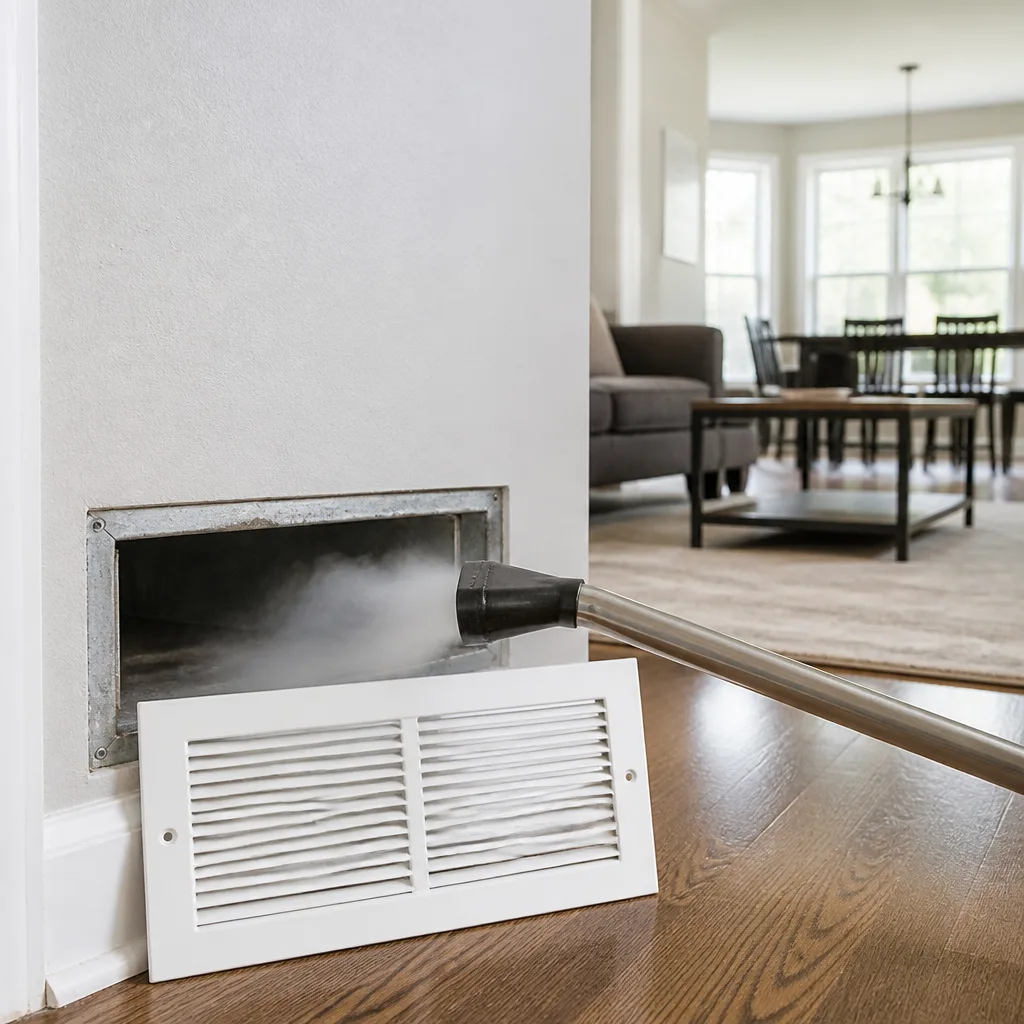 Sanitizing & deodorizing
Whole-system duct and dryer vent check with before-and-after photos - you see exactly what came out of your vents
That "$99 whole-house special" is a bait ad - the real number appears once they are in your hallway, or the "clean" is a shop-vac at the register. We photograph the inside of your ducts before and after instead.
Air Duct Cleaning Permits, Codes & Inspections in San Angelo, TX: What You Need to Know
A contractor who patches a collapsed duct section during your cleaning job without pulling a permit isn’t saving you hassle. They’re leaving you with unpermitted mechanical work that can complicate a home sale or an insurance claim years later. Most San Angelo homeowners assume duct cleaning is permit-free, and for routine cleaning it usually is. But the moment work crosses into duct repair, replacement, or regulated mold remediation, Texas mechanical codes and local San Angelo ordinances enter the picture. This guide shows you exactly where that line falls, who’s allowed to pull a permit, and what to get in writing before anyone touches your ductwork. You’ll finish knowing how to protect yourself whether you’re scheduling a cleaning or inheriting a home with mystery duct work.
Quick Answer
Routine air duct cleaning in San Angelo generally does not require a permit because it’s maintenance, not construction. Duct repair, duct replacement, or any change to the duct system’s layout usually does require a mechanical permit through the City of San Angelo’s Development Services department, and that permit must be pulled by a licensed contractor authorized to do the work. Mold contamination inside ducts that crosses into regulated remediation territory falls under Texas Department of State Health Services rules, which is a separate framework entirely. When in doubt, ask the company to state in writing whether a permit applies to your specific job.
Styles & brands we work with
- Whole-home duct cleaning
- Dryer vent cleaning
- Camera inspection
- Sanitizing & deodorizing
Table of Contents
- Where Cleaning Ends and Construction Begins
- What the Texas Mechanical Code Actually Says
- How San Angelo Handles Mechanical Permits
- Who Is Authorized to Pull the Permit
- When Duct Contamination Becomes Regulated Mold Remediation
- What to Get in Writing During a Repair Job
- How Unpermitted Duct Work Surfaces at Inspection and Appraisal
- Working With a Duct Company That Knows the Rules
Where Cleaning Ends and Construction Begins
Cleaning removes accumulated dust, debris, and buildup from the inside surfaces of your duct system. Construction changes the system itself. That’s the whole distinction, and it’s the one code officials care about most. In our experience talking with homeowners across San Angelo, this is where confusion causes real problems.
Cleaning typically involves mechanical agitation of duct walls, negative-pressure extraction to capture what’s loosened, and containment equipment to keep contaminants from migrating into living space. Nothing about that process alters the physical duct system, so it falls under maintenance.
Repair is different. Consider these common repair scenarios:
- Sealing disconnected or leaking duct joints in an attic run
- Replacing a crushed or collapsed flex duct section
- Rerouting ductwork to serve a converted room
- Adding a new branch to extend conditioned air into an addition
- Replacing damaged rigid duct board or sheet metal sections
- Restoring proper sizing after a previous installer undersized a run
Any of those change the physical system, and most trigger a permit requirement. A cleaning that removes debris is one thing. A cleaning where the technician also patches a leaking joint in the attic is another, and the second one deserves documentation.
The practical test: if the technician is going to seal, cut, splice, reroute, or replace any part of the duct system, ask whether a permit applies before the work begins, not after. For routine maintenance that stays inside the ducts, air duct cleaning in San Angelo is straightforward and doesn’t need a permit.
What the Texas Mechanical Code Actually Says
Texas adopts the International Mechanical Code as its model for mechanical work, with state amendments. The IMC covers the installation, alteration, repair, replacement, and maintenance of mechanical systems, which includes ductwork. Local jurisdictions then adopt and enforce that code through their own permitting offices. The result is a layered system: statewide model, local enforcement.
For duct work specifically, the code’s logic runs roughly like this:
- Maintenance (cleaning, filter changes, minor adjustments) generally does not require a permit.
- Alteration (changing the layout, size, or configuration of duct runs) generally does require a permit and often an inspection.
- Repair that restores damaged duct to its original function occupies a gray zone, and local interpretation matters.
- Replacement of duct sections or an entire system generally requires a permit.
That third point is the reason this guide exists. Whether a patched duct joint requires a permit can depend on how the work is described and how the local code office interprets it. A company that does this work regularly knows what the local office expects and can tell you plainly whether your job needs one.
There’s also a materials and installation standard layer to all of this. Duct sealing must be done with materials rated for the application. Flex duct must be supported and routed correctly. Those aren’t suggestions; they’re how inspectors judge whether the work was done to code. These standards exist because duct systems that leak or sag waste energy and pull dust into the airstream, and San Angelo’s dry, dusty conditions make a sloppy duct system especially obvious in the form of constant household dust.
How San Angelo Handles Mechanical Permits
The City of San Angelo handles mechanical permits through its Development Services department, which processes building, mechanical, electrical, and plumbing permits for work inside city limits. The process generally looks like this:
- Determine whether your job needs a permit. Describe the specific work (cleaning only, repair of a defined section, or replacement/reroute) and ask the department directly if you’re unsure.
- The licensed contractor pulls the permit and pays the associated fee, which is set by the city.
- Work proceeds and gets inspected if the permit type requires an inspection. Duct replacement and reroutes typically do.
- The inspection is documented, which matters later when you sell the home or file a claim.
If your home sits outside San Angelo city limits but still within Tom Green County, the permitting authority may differ. Unincorporated county property often falls under a different office or may have fewer local permitting requirements. That doesn’t mean the work shouldn’t be done to code; it means the paperwork trail lives somewhere else. Before any duct repair, confirm with the office that has jurisdiction over your address.
San Angelo’s housing stock includes a lot of older homes with original metal duct systems and retrofitted flex runs from later decades. When a company proposes a repair on that kind of mixed system, its age and modifications are exactly the reason a permit and inspection may be needed. Original 1950s metal ductwork and a 1990s flex run spliced into it don’t always play well together, and a permit inspection is what catches that.
We’ve seen homeowners call us after a duct repair uncovered leakage somewhere else in the system. That’s not a reason to avoid permits. It’s the reason inspections exist.
Who Is Authorized to Pull the Permit
This matters more than most homeowners realize. A permit for mechanical work is generally pulled by a licensed contractor, not by the homeowner, and not by just anyone who happens to be cleaning your ducts. Texas requires a state-issued license in the relevant trade for mechanical work. If a duct cleaning company offers to repair your ductwork and can’t explain its licensing status, that’s a legitimate reason to ask questions before signing anything.
When you’re evaluating a company for repair work alongside a cleaning, ask these questions:
- Is your mechanical contractor licensed in the State of Texas?
- Will you pull the permit for this repair, or am I expected to pull it myself?
- Who performs the actual repair, and under what license?
- Will the work be inspected, and will I receive documentation of the inspection?
- What happens if the inspection fails?
A cleaning-only company shouldn’t be issuing permits it can’t legally pull. That’s a red flag, and it’s the kind of unpermitted shortcut that surfaces during a home inspection the way unmasked wiring surfaces during an electrical inspection.
Our technicians have up to 13 years of experience, and we’re upfront about scope. We clean ducts, clean dryer vents, and repair ducts. For repair work that requires a permit, we use a licensed mechanical contractor and can work with your insurer where applicable. When duct repair crosses into work we don’t perform, we say so.
What we do throughout San Angelo is clean and repair ducting with professional-grade equipment from Rotobrush and Nikro, and we use Abatement Technologies filtration to control contaminants in the work area rather than redistribute them through the home. We clean it, and if it’s broken, we fix it. That’s the scope. The permit conversation is part of doing the job honestly.
When Duct Contamination Becomes Regulated Mold Remediation
Cleaning mold off duct surfaces and performing regulated mold remediation are two different levels of work. This is where a lot of homeowners get caught off guard. Surface mold growth inside ducts that’s caught and remediated during a routine cleaning may not trigger regulated remediation status. Widespread fungal growth, mold with significant contamination potential, or a situation where other parts of the home are affected can cross the line into work regulated under Texas Department of State Health Services rules.
The threshold isn’t something you can eyeball from the register. It depends on the scope of growth, whether it’s active or dormant, and whether it’s reached beyond the duct system itself. A company that assesses the situation and recommends a course of action beyond simple cleaning needs to explain what regulatory framework applies.
What you should know before choosing a company for mold-related duct work:
- Cleaning is cleaning. Surface removal of mold from duct walls during a standard cleaning doesn’t become remediation just because there’s some mold.
- Remediation is regulated. Larger-scale regulated mold remediation often requires a licensed mold remediation contractor, not just a duct cleaning technician.
- Inspection and testing is worth considering. If a company tells you there’s “toxicity” or “black mold” without assessment, ask for it in writing and get a second opinion.
- The company you hire matters. A duct cleaning company that “also does mold remediation” without a licensed remediation contractor behind it is a problem.
This is the spot where the cheapest bid often turns out to be the most expensive decision. Scare tactics around mold are common. A professional evaluation is not. We’ll tell you what we see and what to do next, including when remediation is warranted and who should handle it.
What to Get in Writing During a Repair Job
Verbal assurances evaporate. Written documentation holds up. When a duct cleaning visit turns into duct repair, you should get specifics on paper before anyone starts cutting. This is the single most useful habit we can recommend for San Angelo homeowners, and it also happens to be how you distinguish a company doing thorough work from one cutting corners.
Ask for these items in writing:
- A written scope of work listing exactly which duct sections are being repaired, replaced, or sealed.
- Before-and-after photos of the specific sections, not just the whole job.
- Permit confirmation stating whether a permit is required for the described work, and if so, that the permit is being pulled by the licensed contractor who will do the repair.
- One flat price per system, agreed before work starts, in the estimate. No per-vent pricing, no surprises mid-job.
- A written statement of what happens if the work requires more than the estimate scope, and who approves the change in writing.
- Warranty or workmanship terms covering the repair portion of the job.
A professional company will produce all of this. If a company bristles at providing written documentation of what was repaired, that’s information.
For whole-home air quality beyond the cleaning itself, we can advise on systems from Honeywell, Aprilaire, and Guardsman without overstating what we install or service. Ask questions, get answers in writing, and make decisions with the facts in front of you.
How Unpermitted Duct Work Surfaces at Inspection and Appraisal
Unpermitted mechanical work tends to sit quietly until someone goes looking. Then it surfaces in a hurry. The two moments when that matters most are home inspections during a sale and appraisals tied to a mortgage or refinance.
During a home inspection, an inspector looks at the HVAC system, including visible ductwork in attics, crawlspaces, and utility areas. Duct repairs with no permit trail, mismatched materials, sagging flex runs, or duct joints sealed with the wrong tape are all visible. An inspector flags what they see as unpermitted work. That flag goes on the report, and it comes up at the negotiating table.
An appraiser is looking for condition and marketability. Unpermitted work is a risk factor. A stalled appraisal or a re-inspection requirement can delay closings and sometimes reopen the purchase price discussion.
In Texas’s resale market, buyers are often in a position to negotiate, and lender-required inspections have tightened. The same loose approach that produced the unpermitted duct repair is likely to produce other problems the buyer notices anyway. The person who pays for the shortcut isn’t the person who took it, which is why we recommend documenting everything on the front end.
We’ve seen what an unpermitted patch looks like during a later inspection, and the fix usually costs more than the permit would have. Pull the permit. Get it inspected. Keep the paperwork.
Working With a Duct Company That Knows the Rules
The company you hire should be able to explain the permit picture for your specific job without hedging. That’s the baseline. Here’s what professional-grade looks like on the equipment side, so you can match it against your job description:
- Rotobrush rotary brush systems mechanically agitate duct walls to loosen buildup that a shop vac can’t reach.
- Nikro HEPA-rated vacuum equipment provides containment-level extraction, capturing what’s loosened instead of blowing it into your living space.
- Abatement Technologies air scrubbers and filtration keep the work area contained during the job, so contaminants get captured rather than redistributed through the home.
- Honeywell and Aprilaire familiarity lets us advise on whole-home filtration after the cleaning, if the homeowner wants to go further.
These are the same tools used in remediation and restoration work, and they’re the tools we use for routine jobs in San Angelo. Cleaner ducts. Healthier air. Verifiable results.
Alongside duct cleaning and repair, we handle dryer vent cleaning because it’s genuinely different work from air quality. A dryer that takes two cycles to dry a load or vents lint into an attic is a fire hazard, and we treat it that way. It’s not the same job as cleaning your HVAC ducts, and it deserves its own attention.
When we assess repair work in San Angelo, we look at duct system condition, the materials involved, and the scope of repair before recommending a course. If a permit applies, we tell you. If remediation is warranted, we tell you that too. We’d rather send you to the right licensed specialist than do work outside our scope.
Common Mistakes to Avoid
- Letting a repair happen without asking about the permit. If the technician patches or replaces a duct section during your cleaning, find out before the work begins whether a permit is required. The answer varies by scope, and the company doing the repair should know.
- Accepting a verbal scope of work. In San Angelo’s resale market, a buyer’s inspector wants to see documentation. A written scope of work, before-and-after photos, and a permit trail are your evidence.
- Confusing cleaning with remediation. Some mold growth inside ducts is cleaned, some is remediated. The line falls under Texas DSHS rules, and the company on the job should explain which side of it you’re on without scaring you.
- Skipping the permit because the quote was lower. Unpermitted work that surfaces at inspection can delay a closing or reopen price discussions. The permit fee is smaller than the problem.
- Hiring a company that can’t explain its licensing status. If a duct cleaning company offers repair work and can’t state whether a Texas-licensed mechanical contractor is doing it and pulling the permit, ask why.
- Accepting a per-vent price with no whole-system scope. Whole-system, one flat price per system agreed in the written estimate is the number that holds. Per-vent pricing invites a bigger invoice once the technician is on site.
- Ignoring dryer vent cleaning as separate from duct cleaning. Dryer vents are a fire risk category of their own, and treating them as an add-on to the HVAC job misses the point.
See the difference
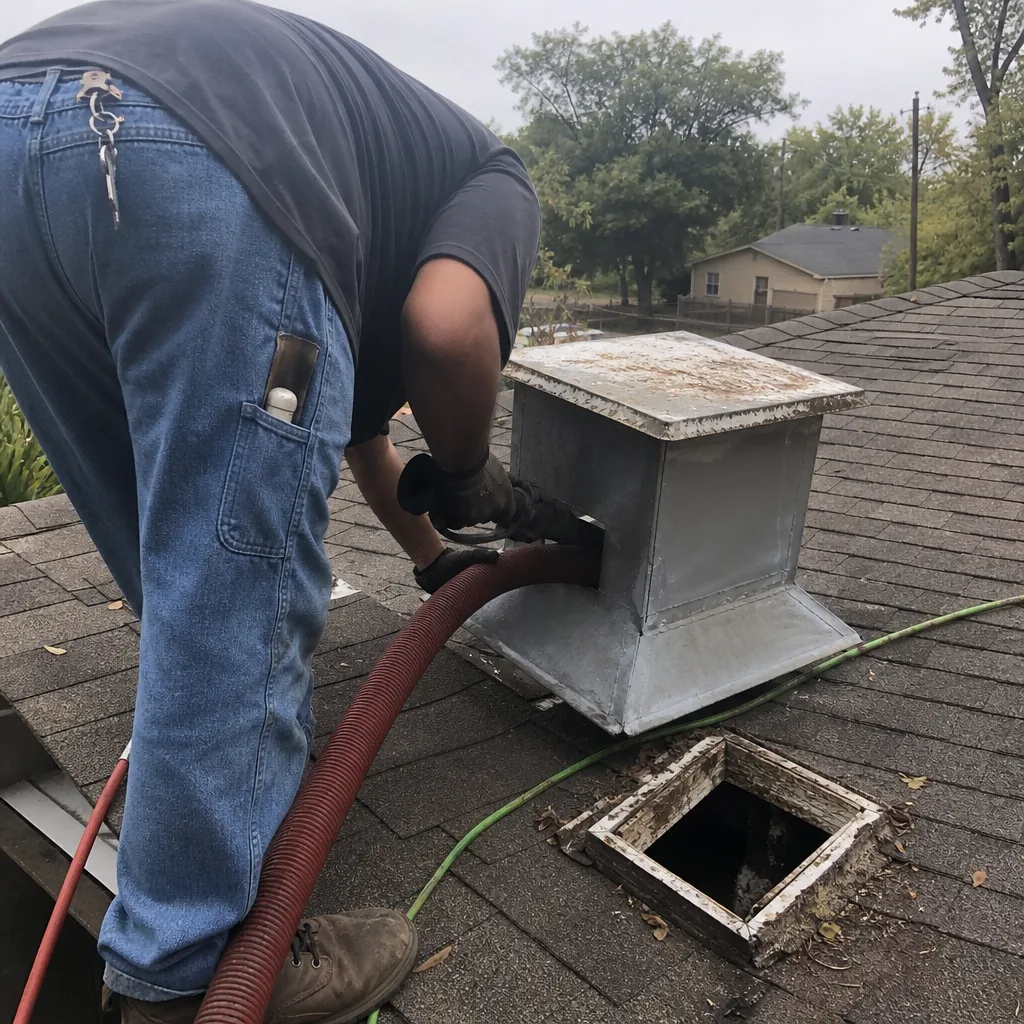 Before
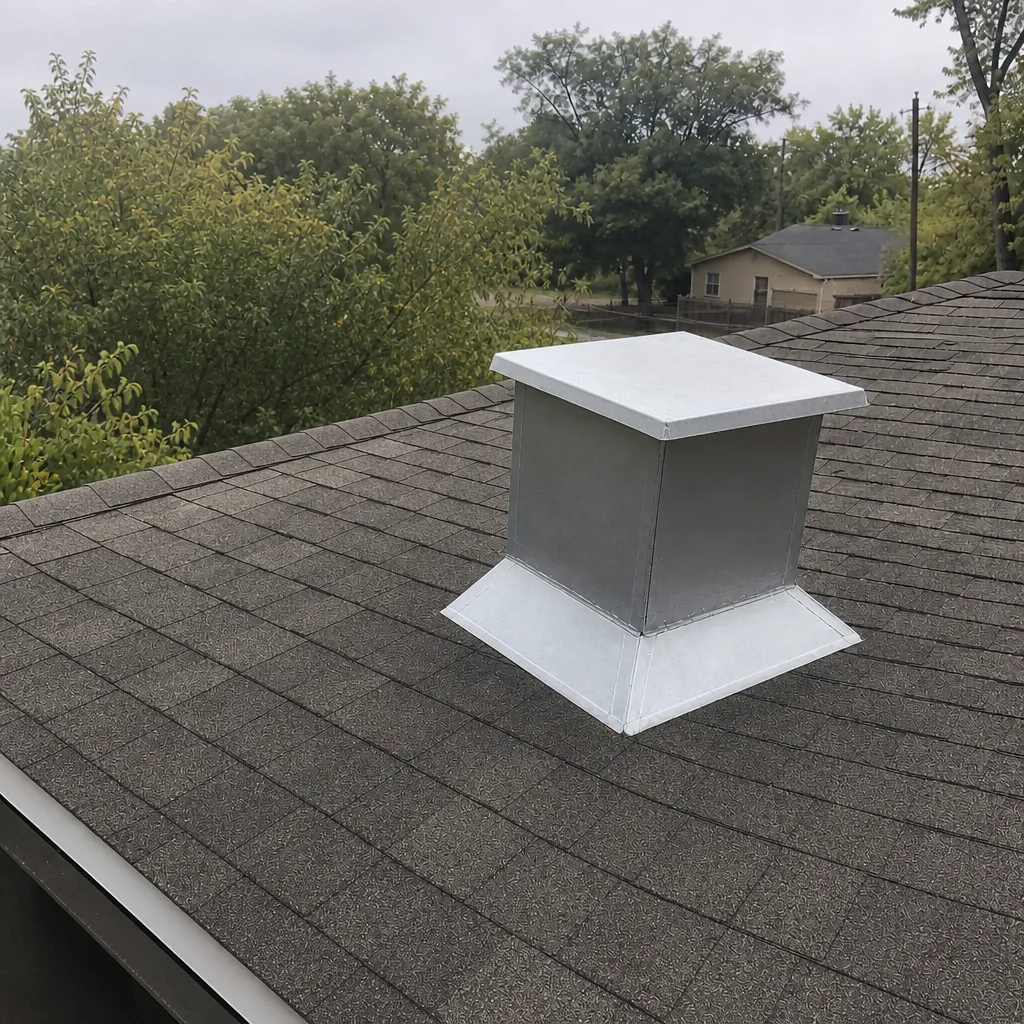 After
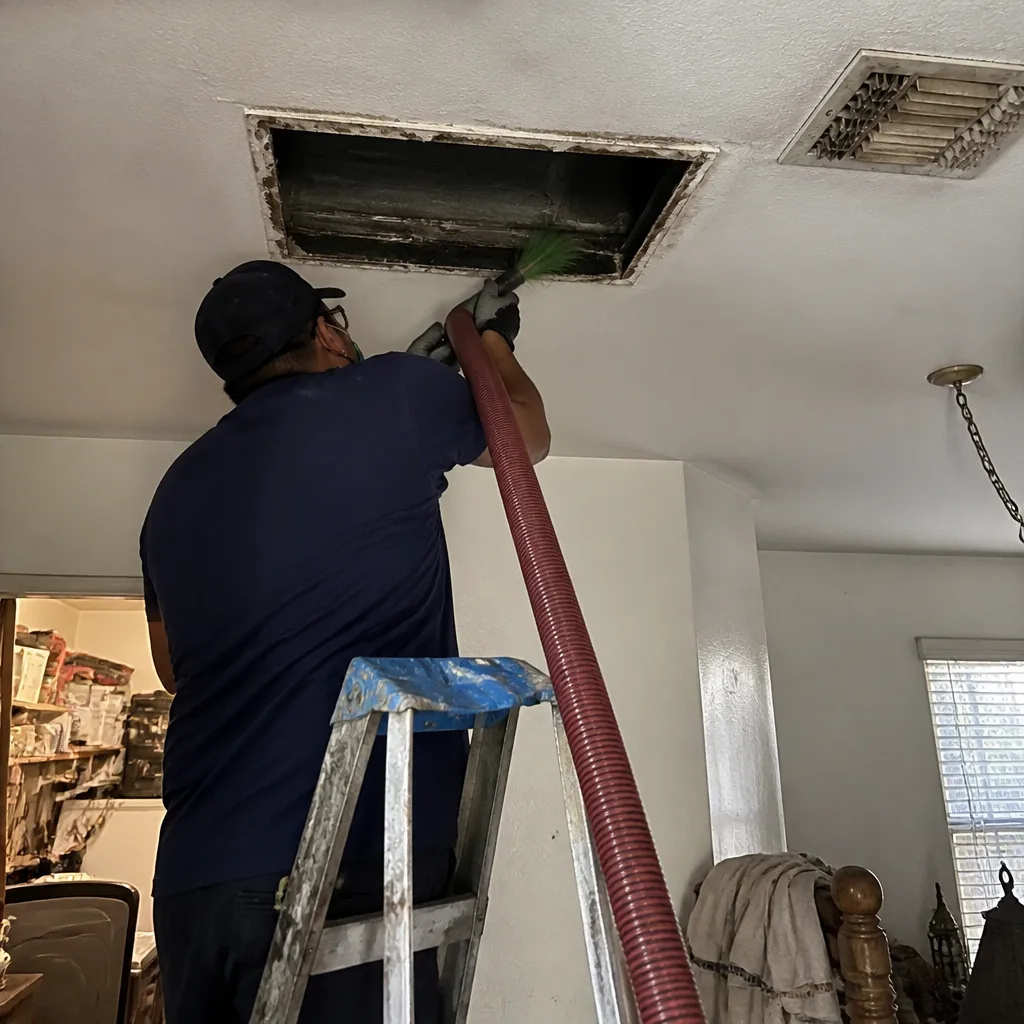 Before
 After
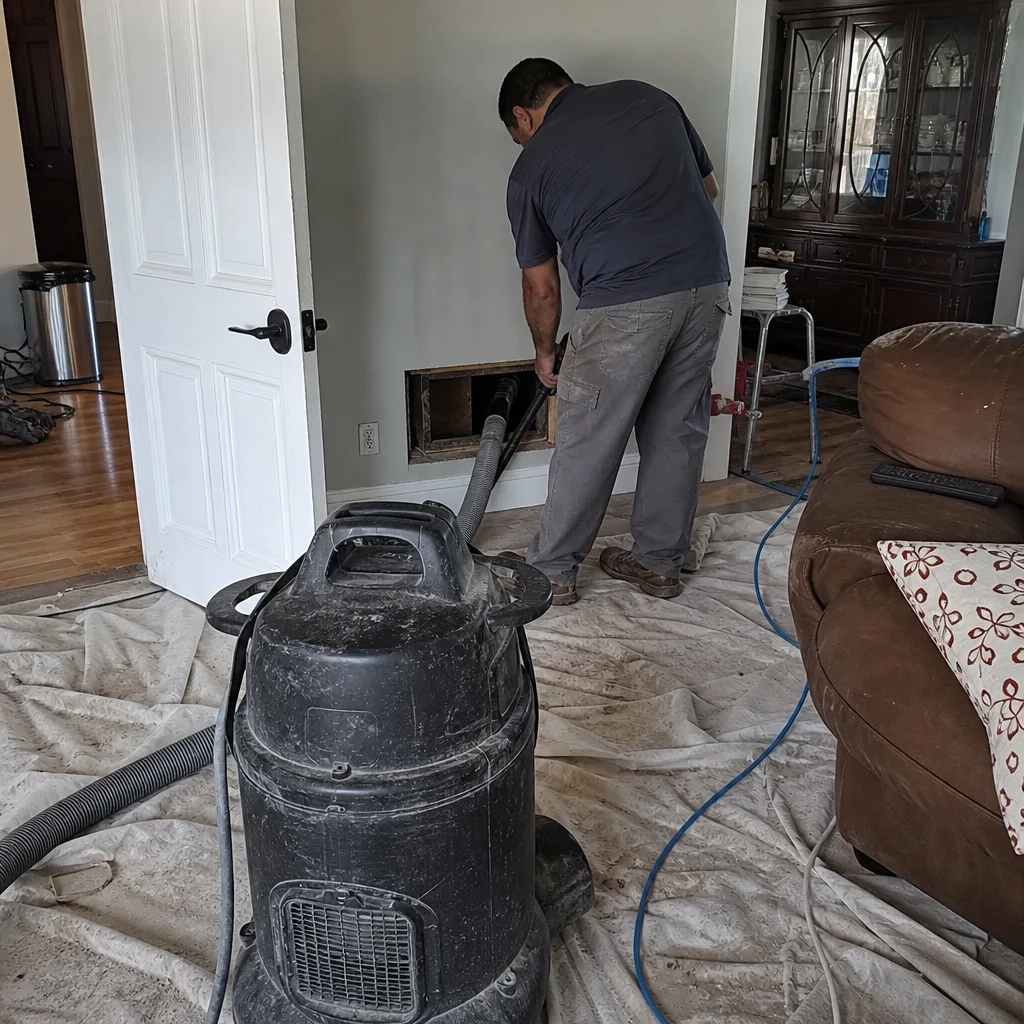 Before
 After
When to Call a Professional
Call a professional duct company in San Angelo when you’ve just finished a renovation and you’re seeing dust filter back down onto surfaces within days. Call when you’ve moved into an older home with original ductwork and you don’t know its history. Call when you notice uneven airflow between rooms, a whistling register, or visible sagging flex duct in the attic. Call when the dryer takes two cycles to dry a load or the vent hood is warm to the touch. Call after a duct repair was done without a permit and you need the condition documented before a sale. Duct Cleaning San Angelo offers free estimates in San Angelo. Call (844) 761-5306. We answer 24/7. Fast dispatch from 7am to 7pm, Sunday through Friday.
Frequently Asked Questions
Routine air duct cleaning in San Angelo generally does not require a permit because it’s maintenance. A permit becomes relevant when the work includes duct repair, replacement, or changing the duct layout. Ask the company to state in writing whether a permit applies to your specific job before work starts. Call (844) 761-5306 for an exact quote – estimates are free.
The permit is generally pulled by a licensed mechanical contractor authorized to perform the work, not by the homeowner and not by a cleaning-only company. The City of San Angelo’s Development Services department administers mechanical permits for work inside city limits. If a company offers duct repair but can’t explain its licensing status, ask before you sign. Call (844) 761-5306 for an exact quote – estimates are free.
Surface mold growth caught during a routine cleaning is cleaning; widespread contamination with remediation-level scope falls under Texas Department of State Health Services rules, which typically requires a licensed mold remediation contractor. The threshold depends on the scope of growth and whether it extends beyond the duct system. A professional assessment will make the answer specific to your job. Call (844) 761-5306 for an exact quote – estimates are free.
Cost depends on the size of the system, how many duct runs are involved, and how much buildup is present. What matters more than a headline number is one flat price per system, agreed in a written estimate before work starts. Per-vent prices tend to turn into larger invoices once the technician is on site. Duct Cleaning San Angelo offers free estimates. Call (844) 761-5306 for an exact quote – estimates are free.
Lower quotes often reflect a shorter visit, less equipment, or pricing that grows once the technician is on site. Professional-grade cleaning with rotary agitation and HEPA-rated extraction takes more time and equipment than a shop vac and a brush. That’s the difference between a provable cleaning and a quick pass. Call (844) 761-5306 for an exact quote – estimates are free.
You should receive before-and-after photos of your own ducts and a written scope of the work performed. For repair work, ask for documentation of any permit and inspection. Written records, not verbal assurances, are what hold up at a home inspection or with an insurer. Call (844) 761-5306 for an exact quote – estimates are free.
The Bottom Line
Routine air duct cleaning in San Angelo usually needs no permit. Duct repair, duct replacement, and duct layout changes generally do, and the permit is pulled by a licensed contractor. Mold contamination that moves beyond cleaning into regulated remediation falls under Texas DSHS rules, and that requires a different licensed contractor. The pattern behind all of it is the same: get the scope in writing, know whether a permit applies before anyone cuts, keep the paperwork, and choose a company that tells you the truth about the line between cleaning and construction. One flat price per system, agreed in a written estimate before work starts, is how the pricing side stays honest. We clean it, and if it’s broken, we fix it.
If you’re scheduling duct cleaning in San Angelo or trying to track down the history of duct work on a home you’ve recently purchased, we can help you get clear answers. Call (844) 761-5306 for a free estimate. We answer 24/7. Fast dispatch from 7am to 7pm, Sunday through Friday.
Written by the team at Duct Cleaning San Angelo.