
Last updated November 16, 2026
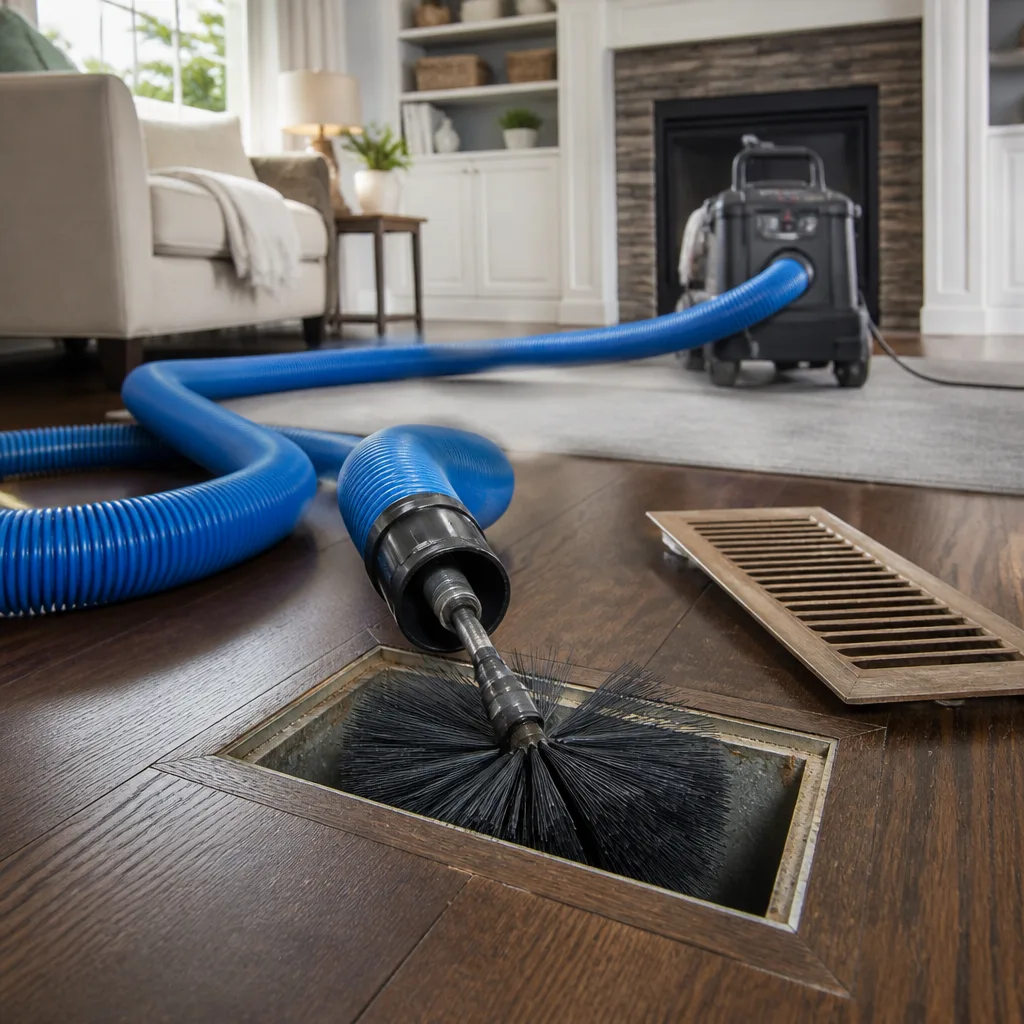 Whole-home duct cleaning
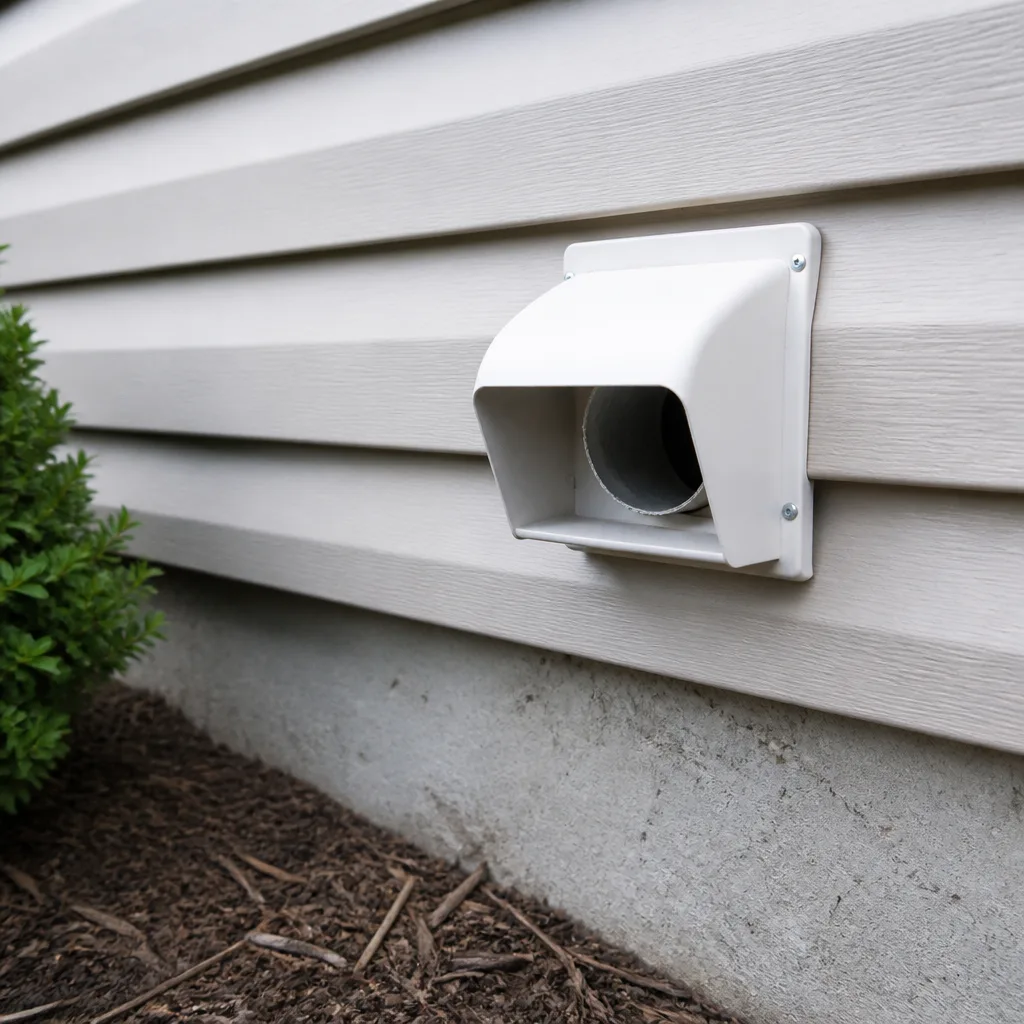 Dryer vent cleaning
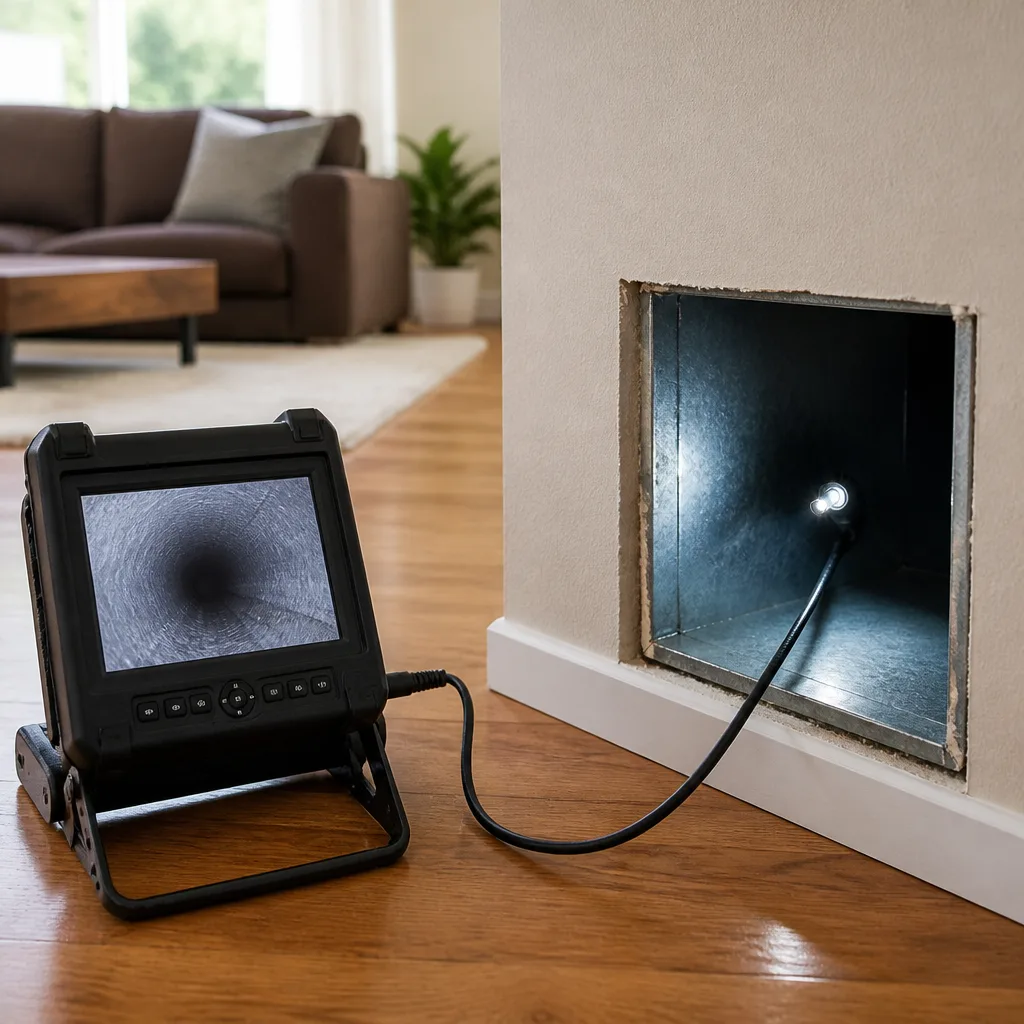 Camera inspection
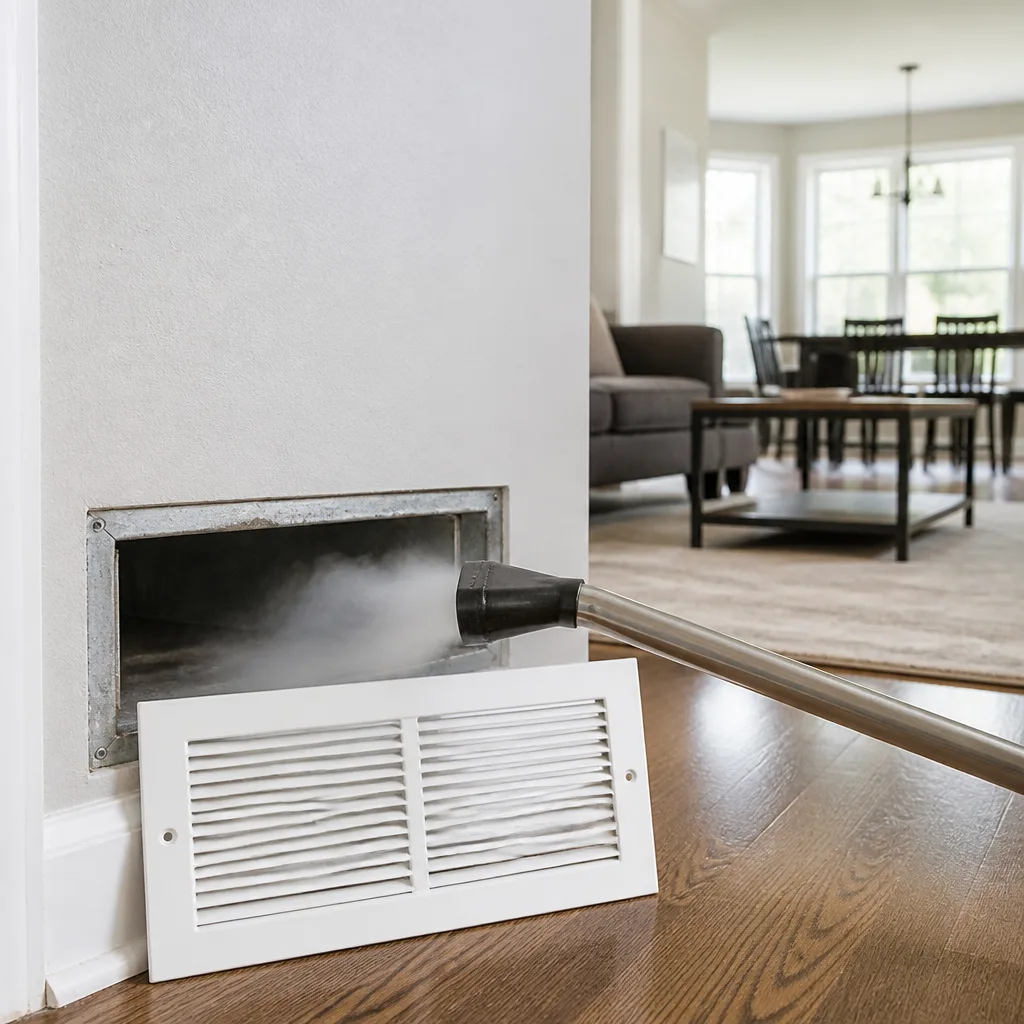 Sanitizing & deodorizing
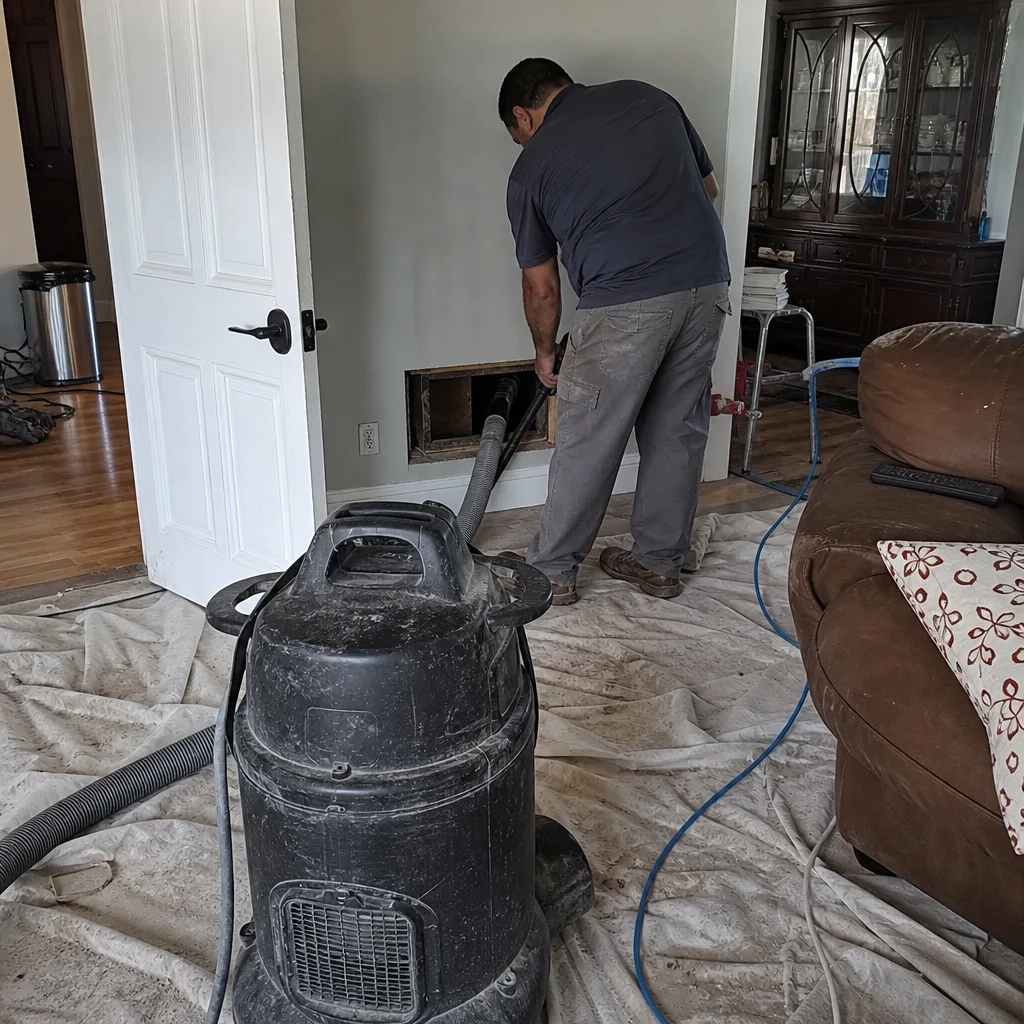
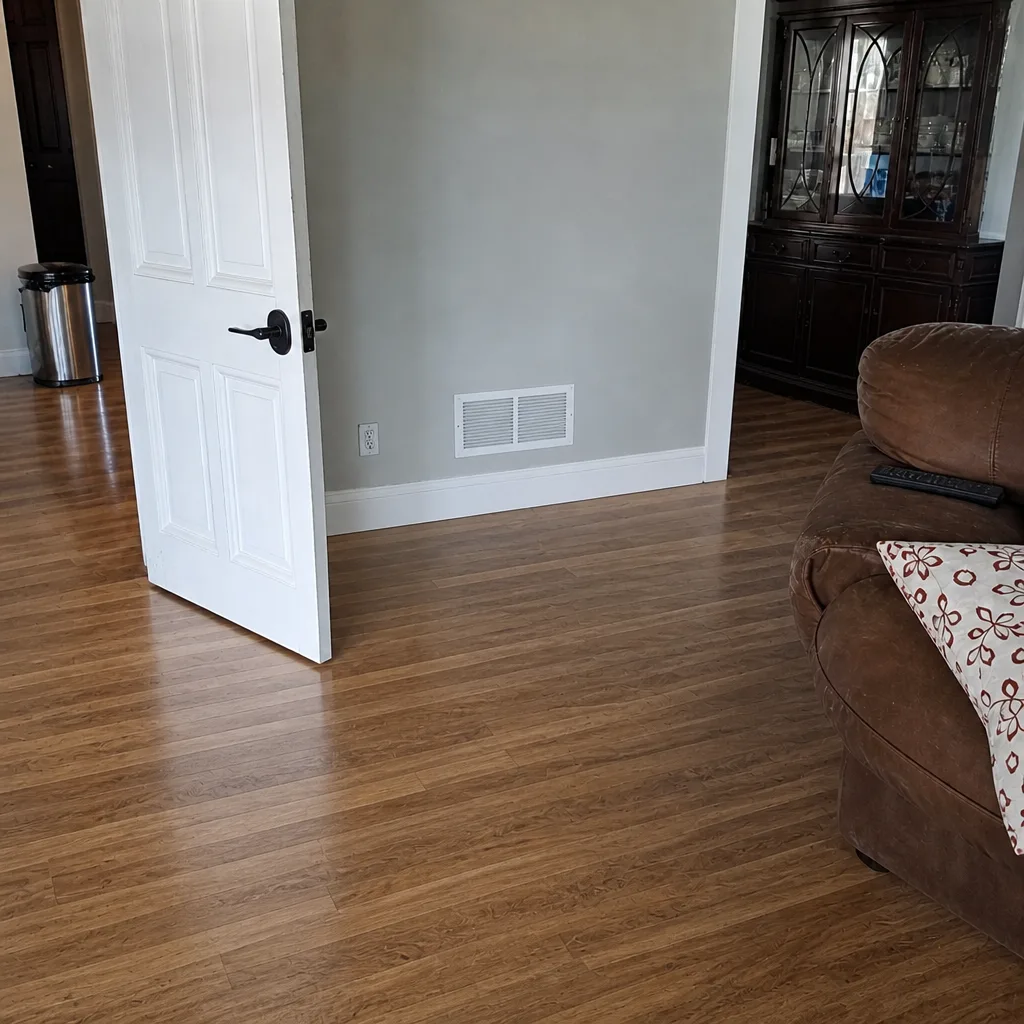
Whole-system duct and dryer vent check with before-and-after photos - you see exactly what came out of your vents
That "$99 whole-house special" is a bait ad - the real number appears once they are in your hallway, or the "clean" is a shop-vac at the register. We photograph the inside of your ducts before and after instead.
The Complete Guide to Air Duct Cleaning in San Angelo
Most advice about duct cleaning was written for houses that get a real winter. San Angelo doesn’t. Here, the air conditioner and furnace trade off through ten or eleven months of cooling and heating, which means the ductwork in a typical San Angelo house barely gets a break. Debris settles in, then gets pushed around again the next time the system kicks on. That near-continuous cycle, combined with West Texas dust and spring cedar pollen, produces a contamination pattern you won’t read about in a generic national article. This guide walks the entire process, from camera-scope inspection to post-cleaning verification, so you know what a thorough job actually looks like before anyone touches your system.
Quick Answer
Air duct cleaning in San Angelo means removing accumulated dust, caliche grit, pollen, and debris from the inside of your ductwork using negative-pressure equipment and mechanical agitation, not just vacuuming at the registers. A thorough job includes a camera inspection before and after, source removal with professional-grade systems, and documented proof of the result. Because San Angelo homes run their HVAC systems almost year-round, ducts here tend to load up faster than in cooler climates.
Styles & brands we work with
- Whole-home duct cleaning
- Dryer vent cleaning
- Camera inspection
- Sanitizing & deodorizing
Table of Contents
- Why San Angelo Ducts Get Dirty Differently
- What a Real Inspection Looks Like Before Cleaning
- Negative-Pressure Source Removal vs. Brush-and-Vacuum
- The Full Cleaning Process, Step by Step
- How to Verify the Work Was Actually Done
- Red Flags That a Job Went Wrong
- When Cleaning Isn’t Enough: Duct Repair
- Dryer Vents: The Other Half of the Job
Why San Angelo Ducts Get Dirty Differently
Walk outside almost any day of the year in San Angelo and the air carries something: fine caliche dust after a dry spell, cedar pollen in the spring, and in the surrounding cotton country, gin dust that drifts on the wind. Those particles are smaller and more abrasive than typical household dust, and they don’t settle the way ordinary dirt does. They ride the return air into your system, coat the inside of the duct walls, and stay there because the system never shuts down long enough to let anything settle out.
That short-cycle reality is the part national duct cleaning guides miss. In colder climates, a furnace may run hard for a few months and then sit idle, giving homeowners a natural window to assess buildup. In San Angelo, cooling season runs long and heating season arrives without much of a gap. A home’s ducts are essentially in service all year. The practical takeaway is that buildup happens faster here than the “every few years” advice you’ll find online. Three to five years of heavy use in a San Angelo home can produce the same loading that a colder-climate house takes far longer to reach.
One more local wrinkle: many San Angelo homes were built during past oilfield booms, and the ductwork in those houses was often installed with flexible materials and tight attic routing that make access tricky. Cramped attic runs mean a technician can’t always reach every section with a brush from a single entry point. That’s a big part of why camera scoping matters here more than in a cold-climate house with wide-open ceiling plenums. If you want the service basics first, our air duct cleaning page covers what’s included in a standard visit.
What a Real Inspection Looks Like Before Cleaning
A register check tells you almost nothing. Shining a flashlight into the supply vent in your living room shows the first twelve inches of one branch line, and it’s the cleanest section in the whole system because it’s the last stop before air enters the room. A camera scope does something different: it travels the main trunk, the return plenum, and the branch runs, showing the technician the actual condition of the duct walls, insulation liner, and joints.
That distinction matters before any cleaning begins, because the inspection decides how the job should be done. A professional inspection using a camera scope typically looks at:
- Main trunk condition. Whether the liner is intact or shedding, and how much sediment has collected at the low points.
- Joint integrity. Loose connections, sagging flex runs, and areas where air is escaping into the attic instead of reaching the room.
- Return side loading. The return plenum almost always carries more debris than the supplies, and a visual check at a register never reveals it.
- Moisture and biological growth. If there’s evidence of standing moisture or growth inside the system, the plan changes and the scope tells you before equipment goes in.
We’ve seen plenty of San Angelo systems where the register face looked spotless while the trunk line behind it was carrying years of packed caliche dust. The camera doesn’t care how the register looks. It shows the duct. That’s why we push for scoping before quoting, not after.
Negative-Pressure Source Removal vs. Brush-and-Vacuum
Here’s where most cheap bids fall apart. Brush-and-vacuum cleaning uses a hand tool or a shop-grade vacuum to loosen debris at each register and pull some of it out. It looks like duct cleaning. It isn’t source removal. The problem is that stirring up debris without controlling the whole system just moves contamination from the duct walls into the air you breathe during the job, and often redistributes it into sections that weren’t touched.
Negative-pressure source removal works the other way around. The technician connects a high-capacity vacuum, like the Nikro HEPA-rated equipment we use, to the main trunk and puts the entire duct system under negative pressure before any agitation starts. Once the system is under vacuum, every particle that breaks loose is pulled toward the collection point instead of floating into the house. Then mechanical agitation does the real work.
The agitation comes from a rotary brush system, and a purpose-built unit like the Rotobrush is designed for exactly this. It travels the duct run and spins a brush head that scrubs the inside walls, dislodging the packed layer that air pressure alone won’t move. Combined with the negative pressure, the sequence is: contain, agitate, extract. In our experience, the difference between this and a shop-vac pass is obvious the moment you scope the same duct afterward.
Where Abatement Technologies Fits In
Even with the system under negative pressure, dust moves around the work area during a job. We deploy Abatement Technologies air scrubbers and filtration to control contaminants in the work area rather than letting them redistribute through the home. This is the same class of equipment used in remediation and restoration work, and it’s why professional-grade matters. Consumer shortcuts don’t have containment in the plan.
The Full Cleaning Process, Step by Step
Here’s how a thorough duct cleaning should run, in order, so you can compare it against whatever a contractor proposes.
- Camera inspection. Scope the trunk, branches, and return plenum, and note the condition of liners and joints before any equipment goes in.
- Setup and containment. Protect floors and furnishings, seal off registers not being serviced, and position air filtration equipment to control the work area.
- Establish negative pressure. Connect the high-capacity vacuum to the trunk and bring the full system under negative pressure before agitation begins.
- Mechanical agitation. Run the rotary brush through each duct branch and the trunk, scrubbing the inside walls so the packed debris releases.
- Extraction. Pull loosened debris into the collection unit while the system stays under negative pressure.
- Component cleaning. Clean the registers, grilles, and accessible components of the air handler that feed the ducts.
- Repair if needed. Identify and fix any leaks, disconnected joints, or damaged sections found during the job, so the system stays sealed.
- Re-inspection and documentation. Scope the ducts again, record airflow readings, and take before-and-after photos and video for the homeowner.
The whole process typically takes several hours in a San Angelo home, and the time depends heavily on how many branch runs and how much access the attic allows. Any quote that skips the inspection or the verification step isn’t offering the same job. If you’re in the middle of a broader cleanup around the house, our San Angelo page has a broader view of what we handle locally.
How to Verify the Work Was Actually Done
This is the question every homeowner should ask, and most contractors don’t have a real answer. “Trust us” isn’t documentation. Verification means the contractor shows you the same evidence we use internally: camera footage, airflow readings, and filter condition benchmarks. If a company can’t produce any of these, you have no way of knowing what happened inside your ducts.
Here’s what proper before-and-after documentation should include:
- Camera footage of the same duct, before and after. Same location, same angle, so the comparison is honest.
- Airflow readings at the registers. Measured before and after, because restored airflow is one of the clearest signs that blockages came out.
- Filter condition benchmarks. A fresh filter records what’s still moving through the system, and the comparison tells you whether the cleaning actually cut the debris load.
- Photos of every component serviced. Registers reseated, joints left intact, no disturbed insulation.
Asking for this documentation before work begins is the single best filter against a low bid that turns into a much larger invoice. We work one flat price per system, agreed before any work starts, with no per-vent pricing, and every job ends with before-and-after photos of your own ducts. That’s the whole point of verifiable results: you should be able to see the work, not take our word for it.
Red Flags That a Job Went Wrong
Duct cleaning can do real damage when it’s done badly, and the damage often isn’t obvious until weeks later. Know what to look for after the technicians leave. Here are the specific warning signs.
- Damaged flex duct joints. Flexible duct is easy to tear at the connection points, and a torn joint leaks air into the attic instead of your rooms. Ask for photos of the joints after the job.
- Disturbed or compressed insulation. Insulation liner inside the duct can be knocked loose or crushed during heavy brushing. If it’s damaged, you’ll see higher dust levels and reduced airflow at those registers.
- Registers not reseated properly. Grilles and covers should sit flush and fit firmly. Rattling or gaps after the job means the crew rushed the reassembly.
- No documentation. If there are no photos, no camera footage, and no airflow readings, you have no evidence of what happened inside your system.
- Debris scattered around the work area. A proper job with Abatement Technologies filtration and negative pressure leaves the surrounding rooms clean. If your furniture or floors are coated in dust, the containment failed.
We clean it, and if it’s broken, we fix it. That’s why we offer duct repair as part of the visit, because the moment we find a compromised joint, patching it is part of finishing the job properly. The same tools used in remediation and restoration work are the ones that get the duct walls truly clean and the system left sealed.
When Cleaning Isn’t Enough: Duct Repair
Sometimes the camera scope reveals that cleaning alone won’t fix the problem. Cracks in the duct walls, disconnected joints, or sections where the insulation has failed mean your system is bleeding air into the attic regardless of how clean the inside of the ducts is. That’s why air duct repair is one of our three core services. Most duct cleaning companies only surface-clean; we also close leaks and fix damage.
Common repair needs in San Angelo homes include:
- Separated joints where flex duct meets the trunk.
- Cracked or crushed sections that were damaged during an earlier job or by attic movement.
- Failing insulation liner that’s shedding particles into the air stream.
- Loose connections at the air handler and plenum.
Once the ducts are clean and sealed, we can also advise on whole-home air quality improvements using honeywell and aprilaire systems, so filtration works at the whole-house level instead of just at a room register. For the full picture of what we handle across cleaning, repair, and vent service, see our main Duct Cleaning San Angelo page.
Dryer Vents: The Other Half of the Job
Most homeowners think of their dryer vent as an appliance nuisance, not part of the home’s air system. The reality is different. Lint that builds up in the vent line is flammable, and dryer vents are one of the leading causes of house fires. That makes dryer vent cleaning a safety service as much as a maintenance item, and it’s the second core service we provide.
You’ll know your vent is overdue by a few signs. A load of laundry that takes two cycles to dry is the clearest one. Clothes that feel hot and damp at the end of a cycle, or a dryer that’s been working harder than it used to, are other indicators. The obstruction also pulls hotter air through the dryer and can shorten the life of the appliance. We treat dryer vents the way we treat ductwork: proper inspection, mechanical cleaning, and a verifiable result. Our dryer vent cleaning page explains what the service involves.
Common Mistakes to Avoid
- Choosing a bid that never mentions inspection. If a contractor quotes over the phone without scoping the system, the price is a guess and the job is probably a surface clean. Insist on a camera inspection first.
- Hiring for per-vent pricing. Per-vent pricing encourages a shallow pass on each vent, not a thorough job on the whole system. Ask for one flat price for the system, agreed in writing.
- Judging duct cleaning by the register face. The register is the cleanest part of any duct. The real condition lives in the trunk and return plenum, which only a camera reveals.
- Not asking for before-and-after evidence. Without photos and airflow readings, you can’t tell a thorough job from a quick vacuum. Ask before work starts, not after.
- Ignoring small leaks during cleaning. A disconnected joint that leaks attic air into the ducts undoes much of the cleaning work. Have repairs identified and quoted at the same visit.
- Skipping the dryer vent. Lint buildup in a dryer line is a fire risk, and many homeowners only focus on the HVAC ducts. Both matter, and the dryer vent is the safety one.
- Letting debris get redistributed. A job without containment leaves dust on your furniture and in the air. Proper air filtration during service is part of a professional visit, not an extra.
See the difference
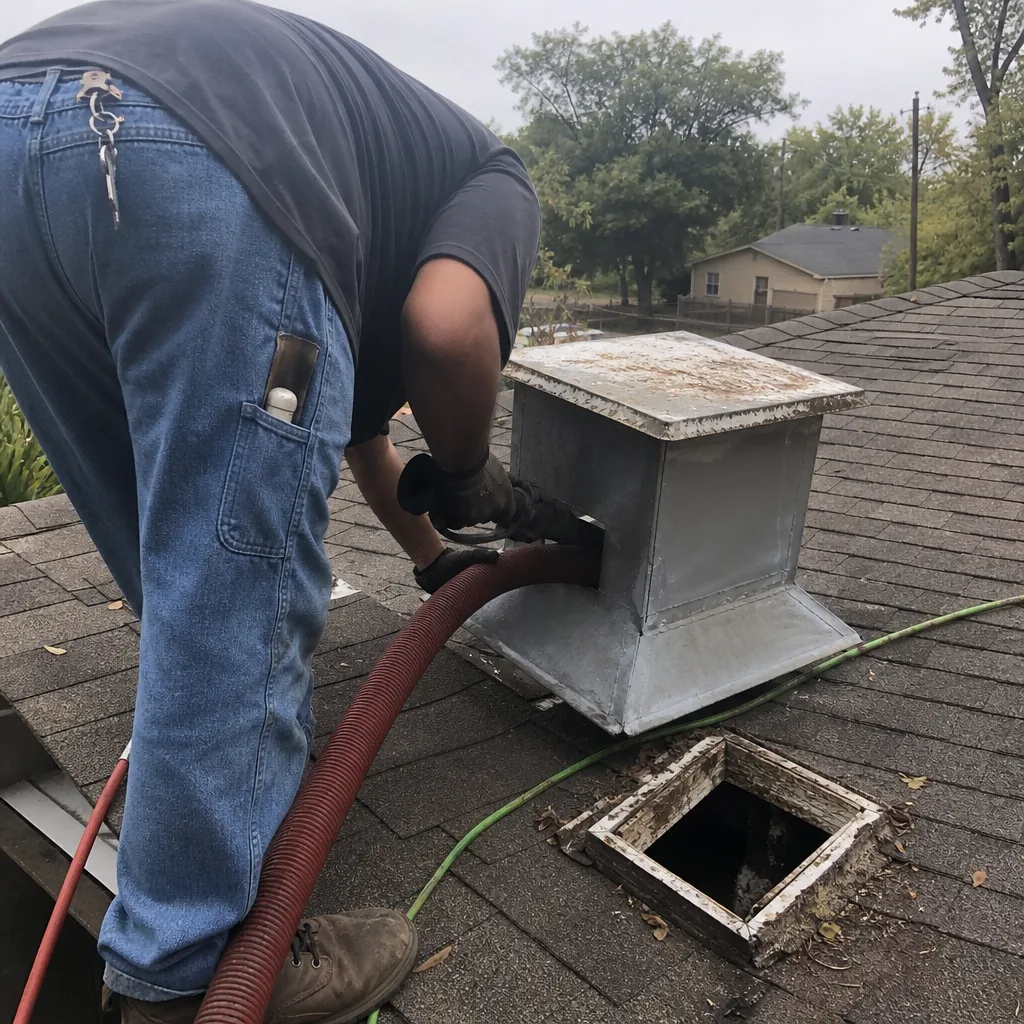 Before
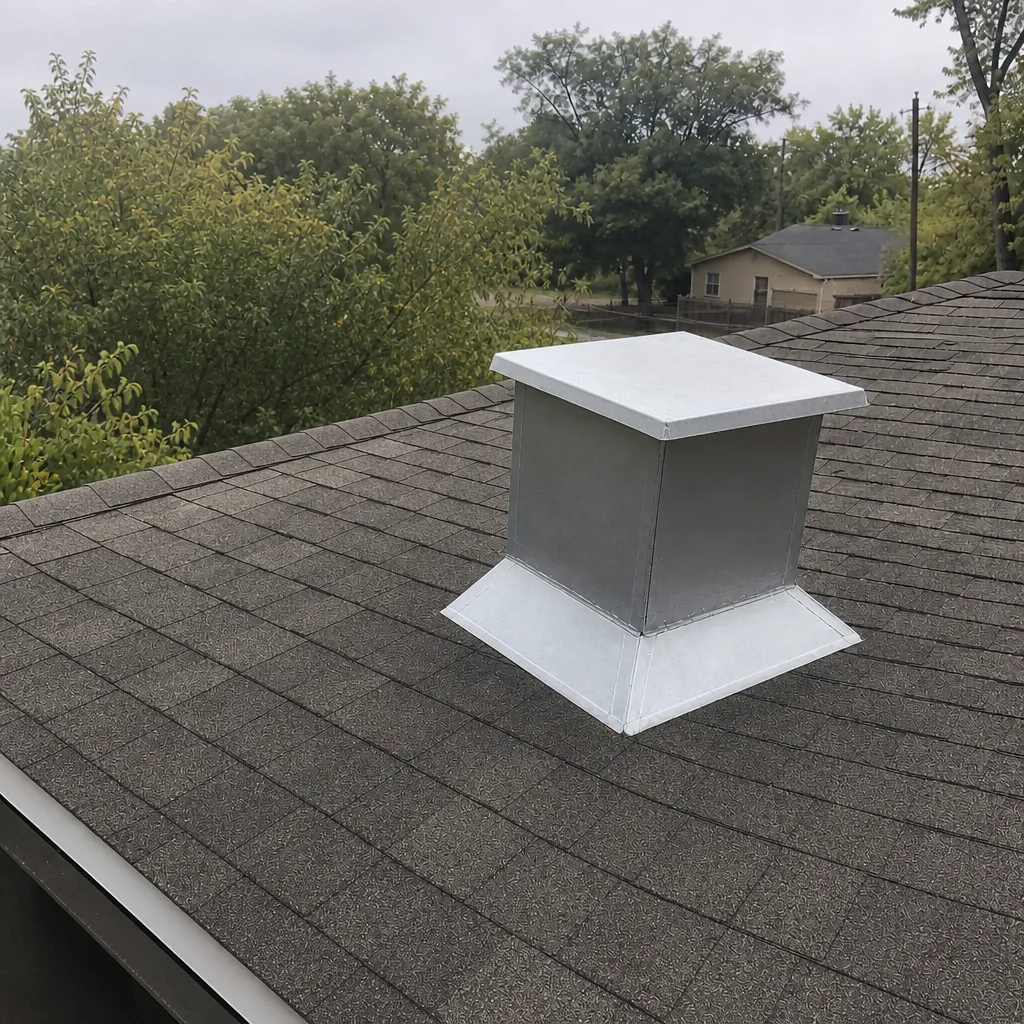 After
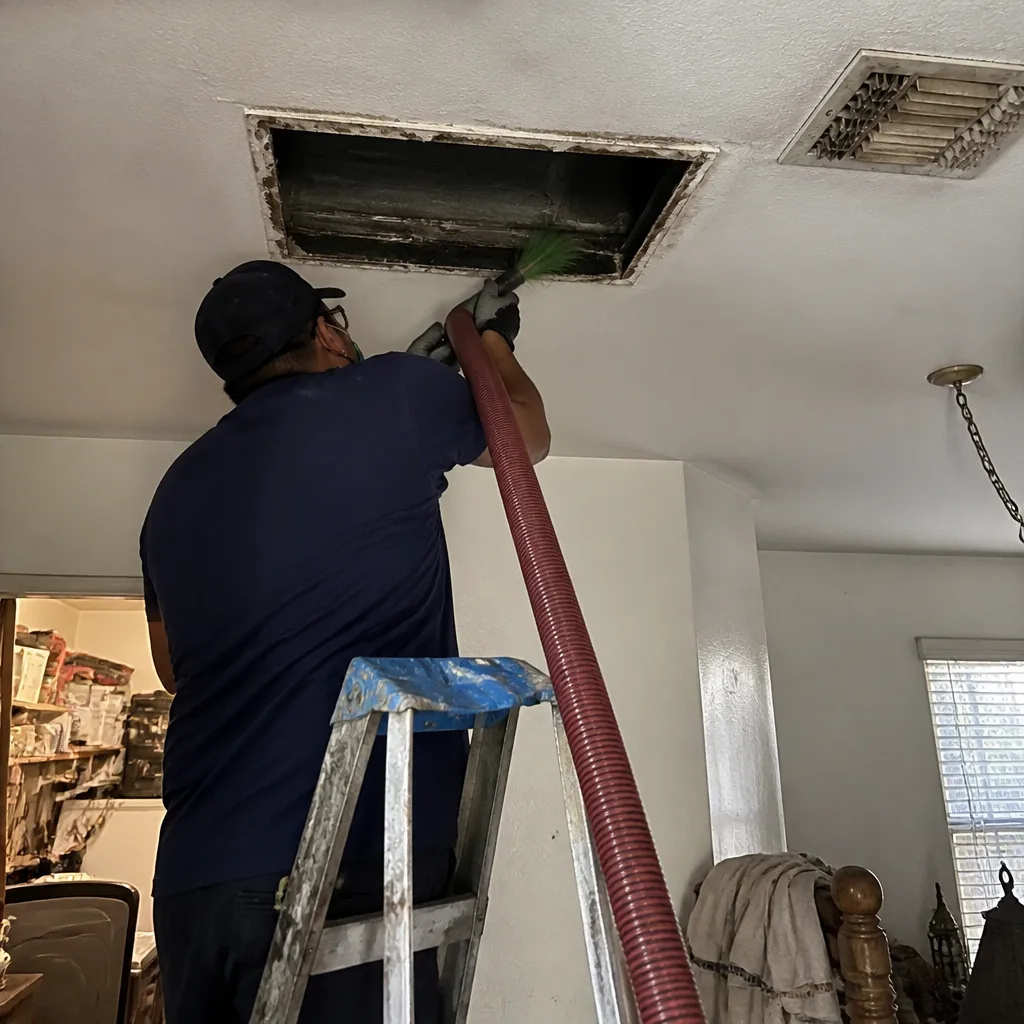 Before
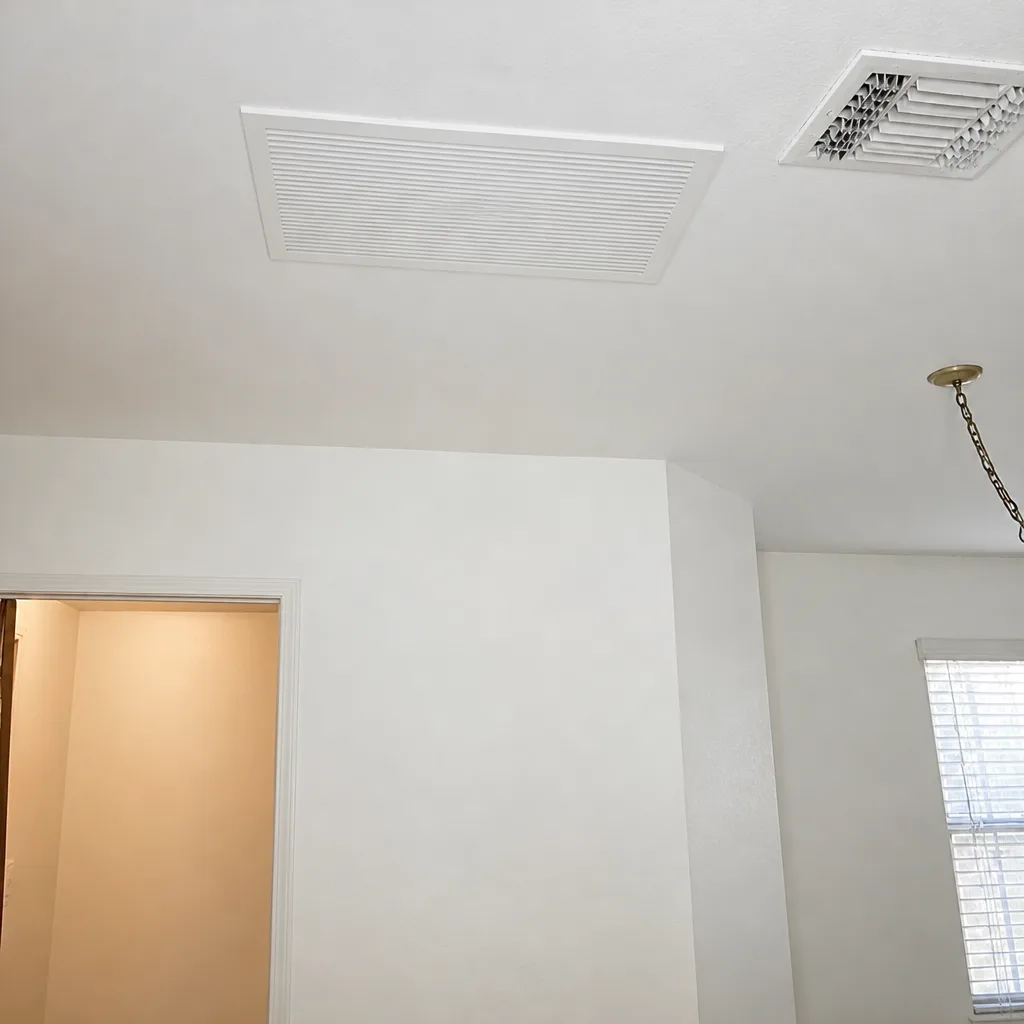 After
 Before
 After
When to Call a Professional
Some situations clearly call for a professional. You’ve just finished a renovation that kicked dust through the whole house, or you’ve moved into an older San Angelo home and don’t know the last time the system was cleaned. Maybe allergy symptoms have gotten worse indoors, or you’ve noticed a visible dust film settling on surfaces after the system runs. A dryer that takes two cycles, unusual musty smells when the air comes on, or dust blowing from a supply register all point to a system that needs inspection.
Trying to handle this with consumer equipment is where people get hurt or make things worse. Duct systems aren’t hard to damage, and shop vacuums don’t have the capacity or the containment to do source removal. When the ducts need attention, call a professional. Duct Cleaning San Angelo offers free estimates in San Angelo. Call (844) 761-5306. We answer 24/7. Fast dispatch from 7am to 7pm, Sunday through Friday.
Frequently Asked Questions
Air duct cleaning in San Angelo is priced per job by a written estimate, because the cost depends on the size of the system, the number of branch runs, attic access, and whether duct repair or dryer vent cleaning is included. We work one flat price per system, agreed before work starts, never per-vent pricing. Call (844) 761-5306 for an exact quote. Estimates are free.
Because San Angelo homes run their HVAC systems nearly year-round, buildup happens faster here than in cooler climates. The generic “every few years” advice doesn’t fit West Texas. The right answer is to have a camera inspection done and let the condition of your actual ducts set the schedule, rather than a fixed calendar interval. Call (844) 761-5306 to get that inspection scheduled.
Cheap quotes usually skip the inspection, the negative-pressure equipment, and the verification step, which means they’re not offering the same job. Brush-and-vacuum cleaning with a shop-grade vacuum redistributes debris rather than removing it from the source. The honest comparison isn’t price against price; it’s price against what the contractor actually does. Ask for one flat price per system and before-and-after documentation before you book. Call (844) 761-5306 to compare.
You should get camera footage of the same duct before and after, airflow readings at the registers, and photos of every component touched, along with confirmation that joints and insulation were left undamaged. If a contractor can’t produce this, you have no way of knowing what happened inside the ducts. We document every job with before-and-after photos of your own ducts. Call (844) 761-5306 to schedule.
Removing accumulated dust, pollen, and caliche grit from the duct system reduces what gets pulled into your living space every time the system runs. That’s a real improvement in what you’re breathing indoors. We don’t make medical or health claims, and we can’t diagnose an allergy. What we can do is show you a cleaner, sealed duct system with documented proof. Call (844) 761-5306 for a free estimate.
Often yes. A dryer that takes two cycles to dry a load, hot damp clothes at the end of the cycle, or a dryer that’s been working harder than it used to are signs of lint buildup. Lint in the dryer line is a fire risk, which is why we treat dryer vent cleaning as a safety service. Call (844) 761-5306 to have both the ducts and the dryer vent checked at the same visit.
The Bottom Line
Air duct cleaning in San Angelo isn’t the same job it is in a climate with a real winter. The systems here run almost constantly, which loads the ducts with caliche dust, cedar pollen, and everyday debris faster than most national advice assumes. A thorough job starts with a camera scope, uses negative-pressure source removal with professional-grade equipment, and ends with documentation you can actually verify. Our technicians have up to 13 years of experience, and we work one flat price per system with before-and-after photos of your own ducts. Cleaner ducts. Healthier air. Verifiable results.
Call (844) 761-5306 for a free estimate. We answer 24/7. Fast dispatch from 7am to 7pm, Sunday through Friday. We’re closed Saturday.
Written by the team at Duct Cleaning San Angelo.