
Last updated November 16, 2026
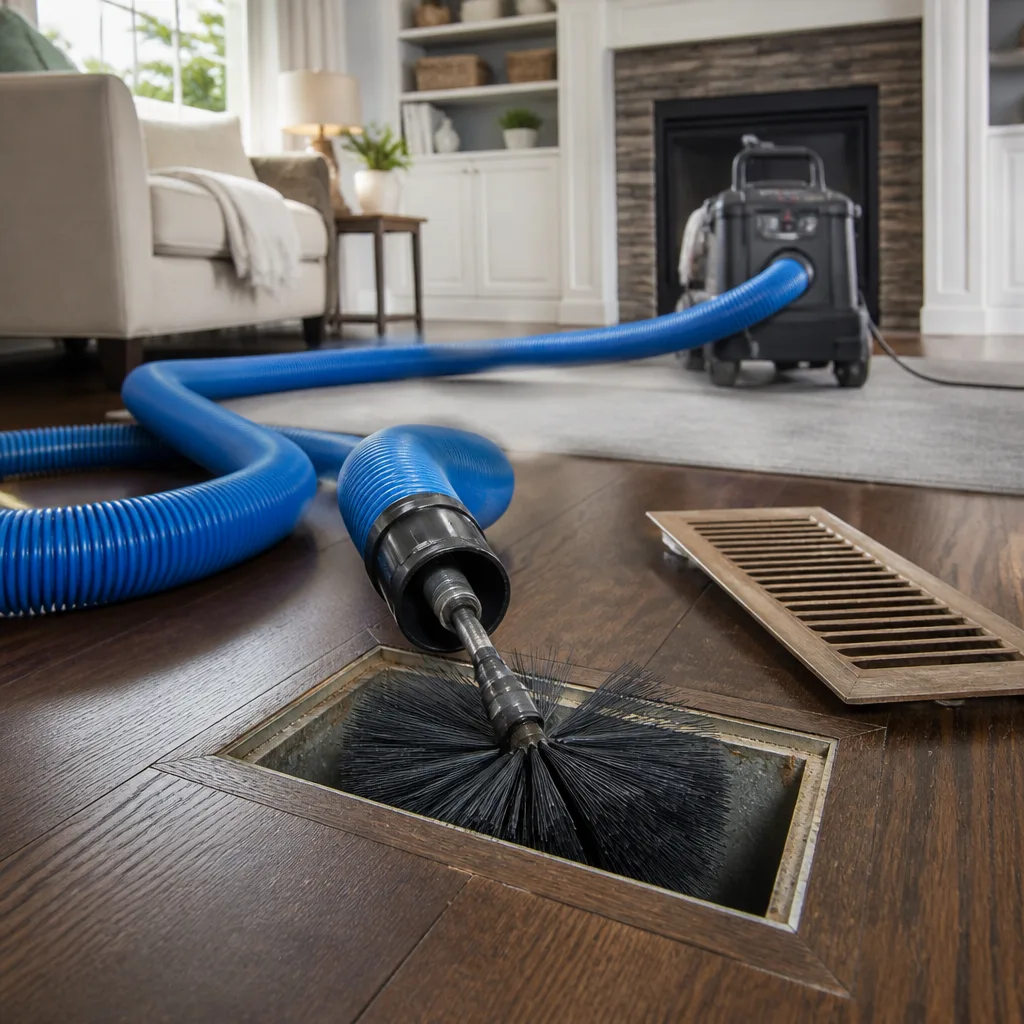 Whole-home duct cleaning
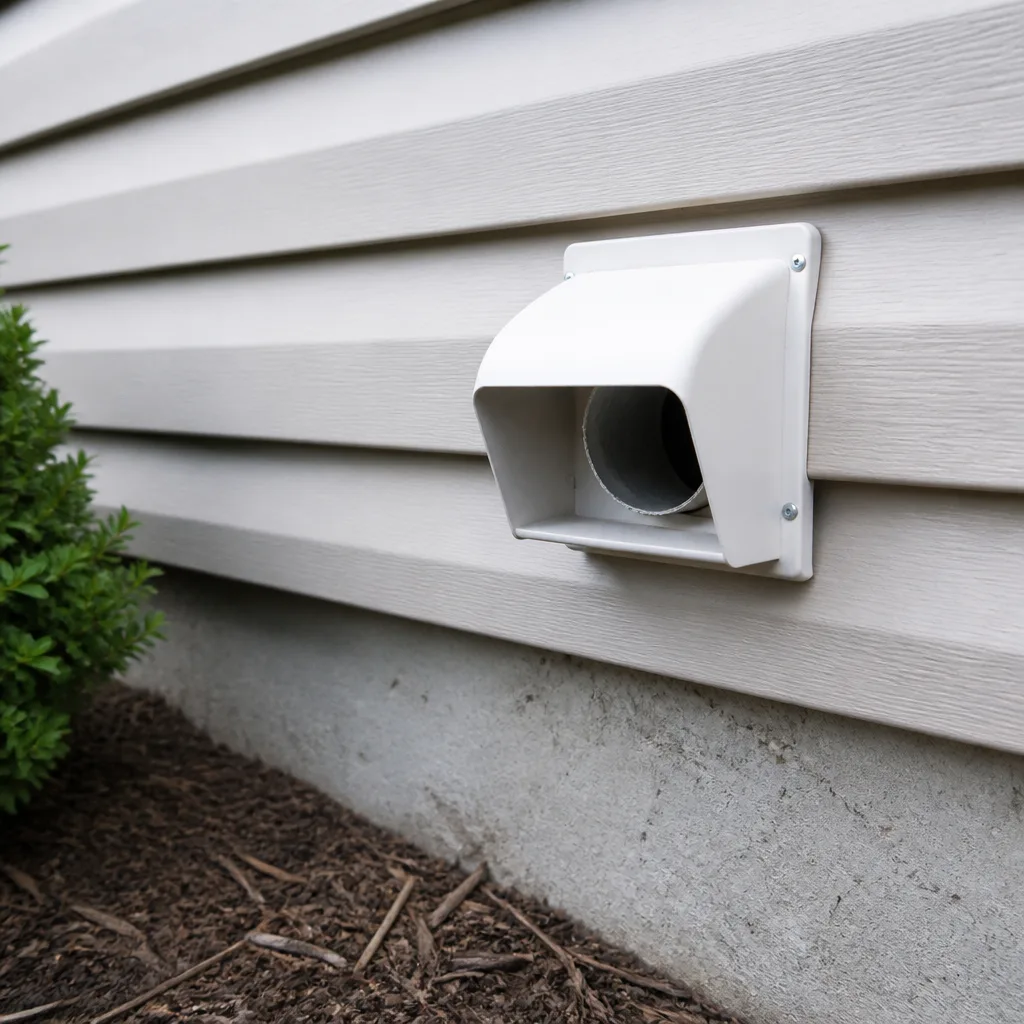 Dryer vent cleaning
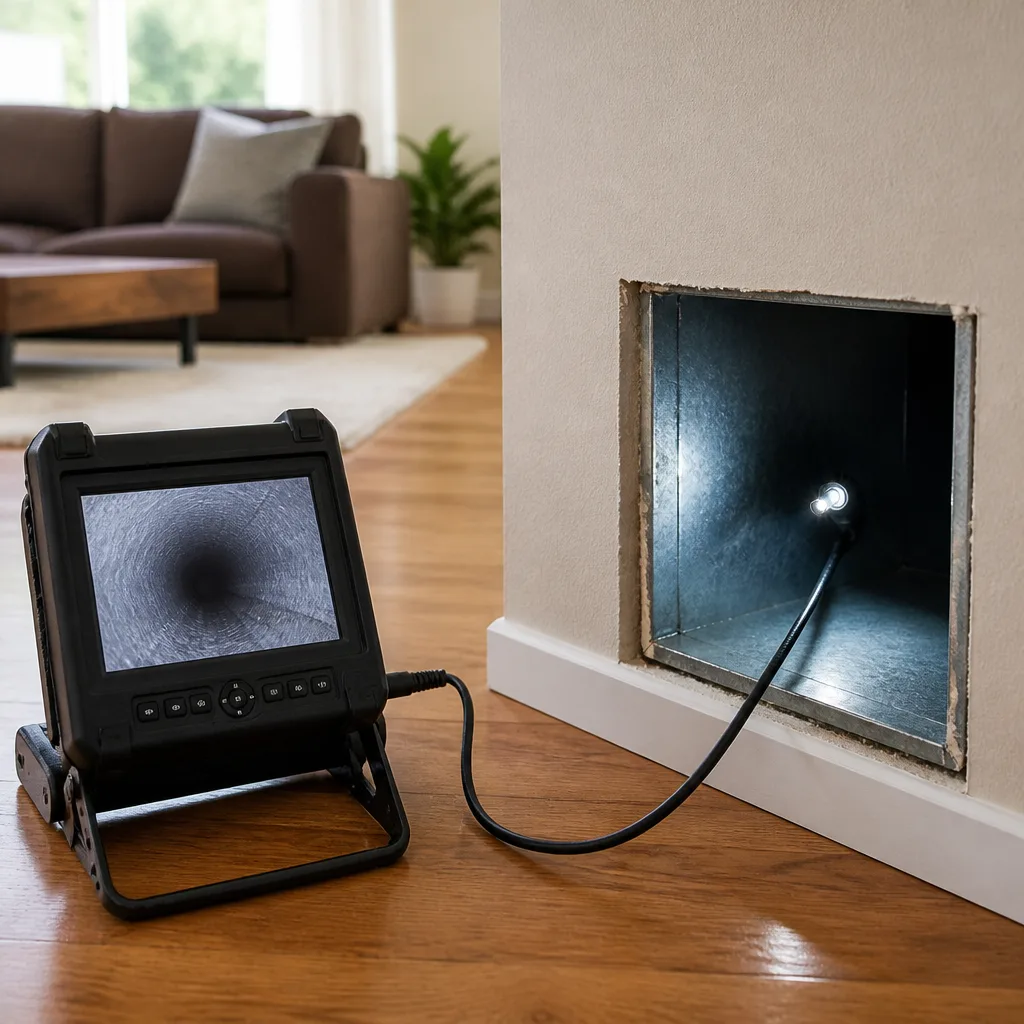 Camera inspection
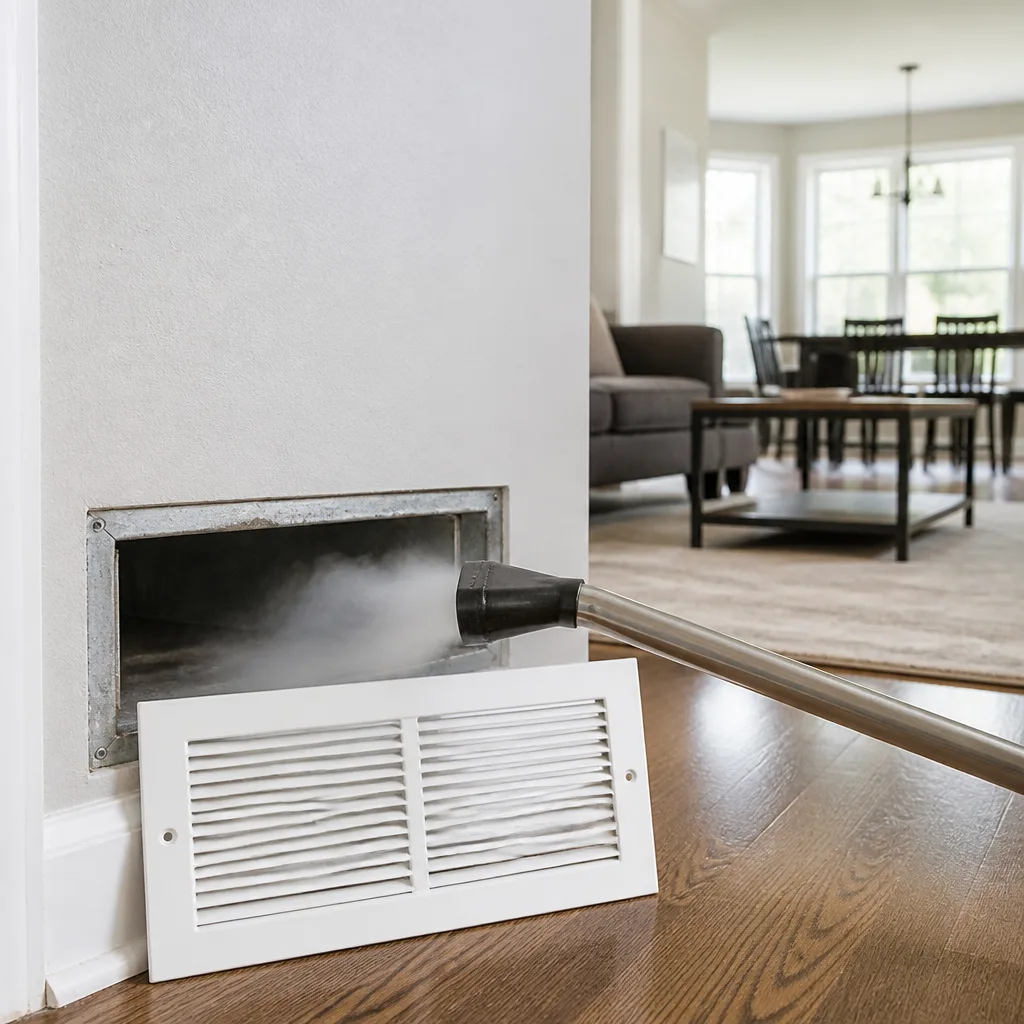 Sanitizing & deodorizing
Whole-system duct and dryer vent check with before-and-after photos - you see exactly what came out of your vents
That "$99 whole-house special" is a bait ad - the real number appears once they are in your hallway, or the "clean" is a shop-vac at the register. We photograph the inside of your ducts before and after instead.
How to Hire an Air Duct Cleaning Contractor in San Angelo: A Step-by-Step Guide
There’s no Texas state license required to call yourself an air duct cleaner, which is exactly why the questions you ask before hiring matter more than any logo on a truck. In a market with almost no barrier to entry, the gap between a shop-vac operation and a remediation-grade service is nearly invisible to a homeowner until after the invoice is paid. This guide gives you a concrete vetting framework for San Angelo: the equipment questions to ask, how to read a quote line by line, what contract terms actually protect you, and how to spot the skipped steps behind a suspiciously low bid. Work through it once and you’ll hire better than most people ever do.
Quick Answer
Hire an air duct cleaning contractor in San Angelo by verifying four things before you book: the specific equipment they’ll bring (a negative-pressure vacuum, not just a shop vac), whether they document before and after with photos, whether their quote lists line items instead of saying “full cleaning,” and whether they carry liability coverage for your ductwork. Ask for the answers in writing. A professional will give them without hesitation; a pretender will get vague fast.
Styles & brands we work with
- Whole-home duct cleaning
- Dryer vent cleaning
- Camera inspection
- Sanitizing & deodorizing
Table of Contents
- Why There’s No Texas License for Duct Cleaning
- What NADCA Membership Really Means
- The Five Equipment Questions to Ask Before Booking
- How to Read a Duct Cleaning Quote in San Angelo
- Why the Lowest Bid Usually Means Skipped Steps
- Contract Terms That Protect Your Home
- What Makes San Angelo Ducts Different
- How to Verify the Work Was Actually Done
Why There’s No Texas License for Duct Cleaning
Texas does not require a state license to perform air duct cleaning. That single fact explains most of what goes wrong in this trade. A person can buy a shop vac and a brush kit, print a business card, and be in your attic by the weekend with no training, no insurance, and no accountability beyond a phone number that may stop working next month.
Compare that to trades that do require licensing, and you’ll understand why the burden falls on you. Nobody checks a duct cleaner’s credentials at the door. The homeowner is the inspector, which is why a written checklist before hiring is worth more than any verbal assurance.
What you can verify, and should:
- Liability insurance. Ask for a certificate of insurance showing general liability coverage. Flex duct tears, attic insulation gets crushed, and ceiling drywall gets scuffed. Without coverage, that’s your bill.
- Business registration. A Texas business can be looked up through the Secretary of State’s office. A legitimate operation has a paper trail.
- Association membership. NADCA membership (covered below) is verifiable directly through the organization, not just from a logo on a website.
- A physical business presence. An address, a working phone, and references you can actually call.
None of this guarantees good work, but each one narrows the field. In a trade with no licensing gate, verification is the gate.
What NADCA Membership Really Means
NADCA, the National Air Duct Cleaners Association, publishes the industry’s accepted standard for how duct cleaning should be performed. Membership signals that a company has agreed to follow that standard and, depending on the membership tier, that at least one person on staff has passed an examination on it. That’s meaningful. What it isn’t is a government seal or a guarantee of quality on every job.
The practical problem is that a NADCA logo is a piece of digital art, and anyone can put it on a website. Verification is the whole point. Here’s how to check:
- Ask the company, in writing, what their NADCA membership status is and who on staff holds the certification.
- Look the company up in NADCA’s own member directory rather than trusting the logo on their site.
- Ask whether the crew doing the work has been trained on the NADCA standard, not just whether the company belongs.
- Ask what standard they follow for post-clean verification. A member should be able to name it.
In our experience, a company that genuinely belongs to NADCA answers these questions in one sentence each. A company borrowing the logo gets defensive or changes the subject. That contrast is useful information all by itself. If you want to see how a professional-grade process is described from the inside, our air duct cleaning page walks through the full procedure step by step.
The Five Equipment Questions to Ask Before Booking
Equipment is where the real divide sits, and it’s the part homeowners can evaluate with zero trade knowledge. Ask these five questions on the phone before you book. Write down the answers.
1. What negative-pressure system do you use? The core of a real cleaning is a vacuum strong enough to put the entire duct system under negative pressure, so loosened debris travels toward the machine instead of into your living room. A shop vac cannot do this. Expect to hear a purpose-built name: Rotobrush, Nikro, or a comparable professional platform. Ask for the model.
2. What CFM rating does the vacuum carry? CFM, cubic feet per minute, measures airflow. Push for a number. A contractor who can’t state a CFM rating either doesn’t know their equipment or is hoping you won’t ask. Legitimate platforms carry published ratings the operator should know cold.
3. What brush type will you use for my duct material? Sheet metal takes an aggressive rotary brush. Flex duct needs a softer approach or it tears. Fiberboard duct is different again. This question tests whether the contractor will inspect before deciding, or just run one tool through everything.
4. Can you do a camera inspection? A camera lets the technician see what’s actually inside the duct before and after, rather than guessing. It also finds the loose joints and separated runs that a brush alone won’t reveal.
5. How do you verify the job after cleaning? The answer should involve visual documentation: before-and-after photos of your own ducts, not stock images. If they can’t describe a verification step, there isn’t one.
During work, containment matters as much as extraction. Professional operations run air filtration equipment, like the Abatement Technologies scrubbers used in restoration work, to control airborne contaminants in the work area instead of redistributing them through the house. Ask whether filtration runs during the job.
How to Read a Duct Cleaning Quote in San Angelo
A quote is a document, and documents reveal operators. The single loudest warning sign is the phrase “full cleaning” with no line items beneath it. That phrase means nothing specific. It could mean a full mechanical cleaning with documented verification, or it could mean a brush waved near a few registers.
A proper written quote should always include:
- Scope of work in plain language. Number of supply runs, number of return runs, registers and grilles included or excluded, and whether the air handler and blower compartment are being cleaned.
- Equipment named. The vacuum platform, the brush type, and whether air filtration equipment is used during the job.
- One flat price for the whole system. Not a per-vent figure with an unknown vent count on the back end. You should know the total before anyone arrives.
- Documentation commitment. A written promise of before-and-after photos of your system.
- Repair contingencies. What happens if the technician finds torn flex duct or a disconnected run.
On legitimate add-ons versus upsells: real options include dryer vent cleaning as a separate line and duct repair where the inspection found damage. Those address actual physical problems. What counts as an upsell is anything pitched before the inspection, particularly air quality products sold as mandatory when they’re options. Product recommendations from familiar names like Honeywell or Aprilaire are legitimate only after the inspection reveals a reason for them.
Pricing should also make sense against the size of the job. If one bid is far below every other bid for a comparable house in San Angelo, treat that gap as your first clue rather than your luckiest break. The next section explains why.
Why the Lowest Bid Usually Means Skipped Steps
A proper duct cleaning takes time. It takes a machine with real airflow, a technician working through each run, a second pass on debris, and documentation at the end. Every skipped step saves the operator labor, and the labor is the cost. That’s the whole arithmetic of a low bid.
What typically gets cut when the price is the deciding factor:
- One pass instead of two. Debris loosened by the brush needs extraction, then a second pass. A single hurried pass leaves the loose material behind.
- Missed runs. The hard-to-reach branch runs and the far side of the house are the ones most likely to be skipped, because they’re the ones that take longest.
- No filtration during the job. Running air scrubbers costs money to buy and time to set up. Without them, the fine dust winds up back in the room.
- No documentation. Photos take time to capture and share. An operator who planned never to show them doesn’t take them.
- No repair capability. If the technician finds a torn flex run and the company can’t fix it, the cleaning was partial regardless of what was quoted.
A useful way to think about a bid is cost per run. Ask for the number of runs and the total. Divide. A quote that lands far under the rest for the same runs tells you which steps won’t happen. The honest answer when you ask a cheap bidder what’s included tends to be less specific than the answer from a professional-grade operator, and that vagueness is the tell. You can see how a documented, equipment-specific process is described for duct cleaning in San Angelo, and compare it to whatever the low bidder has to say.
Contract Terms That Protect Your Home
You don’t need a lawyer to read a duct cleaning contract, but you do need to look for four things. If any of them are missing, ask for the contract to be updated before you sign.
- Specific scope of work. “Clean air ducts” is not a scope. “Clean all supply and return runs, all registers and grilles, and the air handler blower compartment; 14 runs total” is a scope. Get the run count in writing.
- Before-and-after documentation requirement. The contract should state that the contractor will photograph your system before cleaning and after, and provide those images to you. This is the single most protective clause in the document, because it creates an obligation that a corner-cutter won’t accept.
- Damage liability, particularly for flex duct and insulation. Flex duct tears. Insulation gets crushed. The contract should acknowledge that the contractor is responsible for damage caused by the work and identify their liability coverage.
- Payment terms tied to completion. Full payment on completion of the documented job is standard. Large deposits before work starts deserve scrutiny.
One more term to look for, and it’s a good sign rather than a red flag: whether the contractor offers duct repair as part of the service. A company that can only clean and not repair is limited in what it can honestly do about damage it finds, which creates an incentive to not find it. Our San Angelo service overview explains how cleaning, repair, and prevention fit together, and why a company that handles all three is less likely to leave you with a problem half-solved.
What Makes San Angelo Ducts Different
San Angelo sits in a semi-arid stretch of West Texas, and that shapes what accumulates inside a duct system here. Dust in this region is fine and mineral-rich, and homes run their HVAC systems for long stretches of the year. The system pulls a steady volume of that fine dust through the return, and over time it settles along the duct walls and around the blower compartment.
Some consequences worth knowing before you hire:
- Fine dust needs real airflow to move. The light particulate that builds up in West Texas ducts is exactly the material a weak vacuum won’t lift. CFM matters more here than the question typically gets asked.
- Dry conditions stress flex duct. Over seasons of use, tape and connections in flex runs can loosen and separate. An operator who inspects will find these; an operator who brushes and leaves won’t.
- Older homes across San Angelo frequently have duct systems that predate current practice. When you move into an older house here, the ducts are often the last thing anyone has looked at. That’s a strong reason to have them inspected before assuming they’re sound.
- Renovation dust is heavier than household dust. If the house has had recent construction, drywall and sawdust settle into the returns quickly. Those jobs warrant a documented clean, not a quick pass.
None of that requires special local equipment. It requires an operator who inspects, uses a vacuum with the airflow to actually extract fine particulate, and can repair what they find. Those are the same standards everywhere; they just matter more in a dusty climate.
How to Verify the Work Was Actually Done
This is the question most homeowners never ask until it’s too late: how will I know? The answer should be built into the job, not an afterthought. A professional process produces evidence as it goes.
What proof looks like:
- Photos of your own ducts, before and after. Not stock images, not a generic shot of a clean duct interior. Your system, dated, with the contrast visible.
- Photos of the air handler and blower compartment, which are often the dirtiest part and the easiest one to skip.
- A camera walkthrough on request for a system that’s been under heavy load or has never been cleaned.
- A written report of findings, particularly if repair work was identified or recommended.
If a contractor can’t produce dated before-and-after photos of your system, you have no way to distinguish a thorough job from a quick one. That’s the entire argument for making the documentation clause in your contract non-negotiable. The proof is the product.
Common Mistakes to Avoid
- Booking the lowest quote without asking what’s in it. The lowest price in a market with no licensing requirement is frequently the one that skips the second pass and the filtration. Ask for the line items and compare them, not the totals.
- Accepting “full cleaning” as a scope of work. That phrase commits a contractor to nothing. Insist on a run count, named equipment, and documentation in the written quote.
- Never asking for a CFM rating. It’s the fastest test of whether a contractor knows their equipment. A vague answer here is usually followed by vague answers everywhere else.
- Skipping the insurance check. Flex duct tears and attic insulation gets crushed on real jobs in San Angelo attics. Confirm the certificate of insurance before the technician arrives, not after something breaks.
- Forgetting the dryer vent. A dryer that needs two cycles to dry a load, or feels hot to the touch, is a lint-clog signal. Dryer vents are a fire hazard and deserve the same professional treatment as the HVAC ducts.
- Hiring a cleaner who can’t repair. If the company can only clean, the torn flex run they find will go unfixed. Look for a contractor who handles both.
- Not insisting on photos. Without dated before-and-after photos of your own system, you have no evidence, only assurances.
See the difference
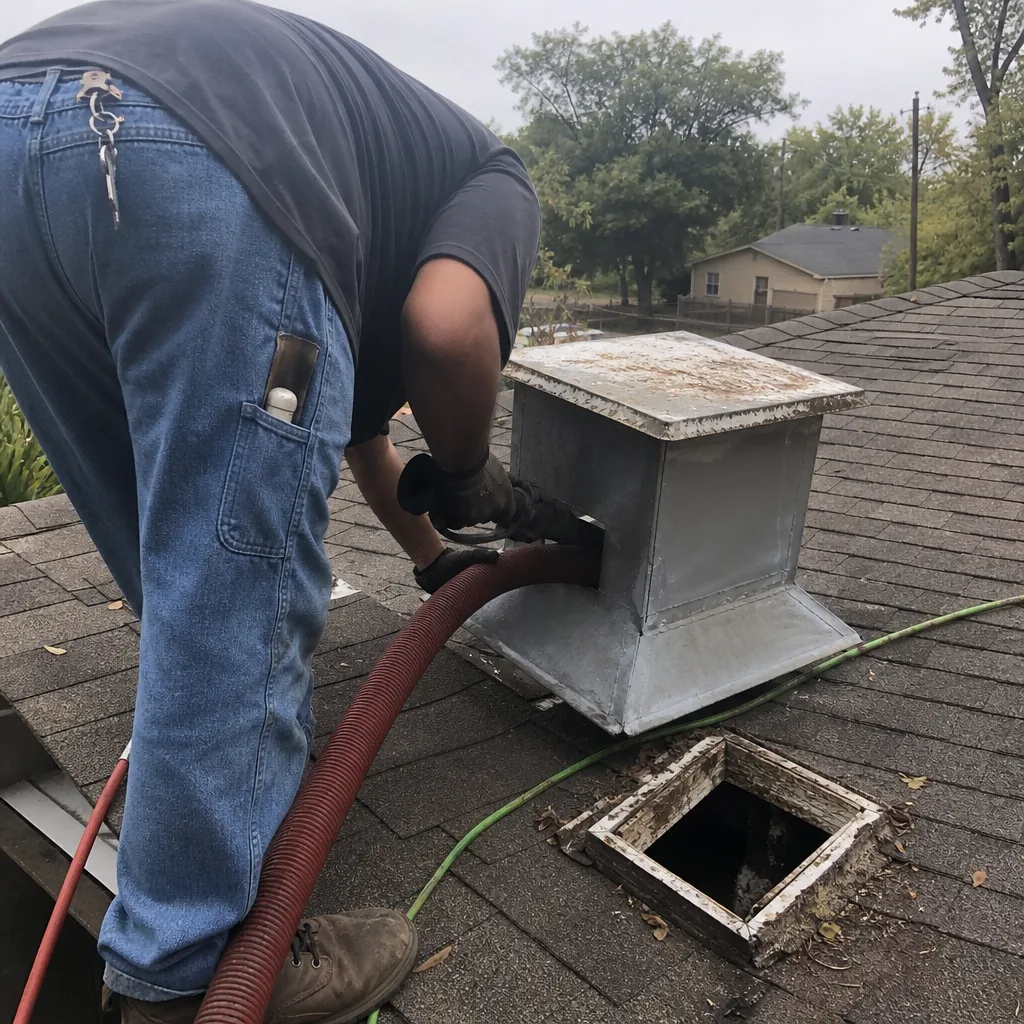 Before
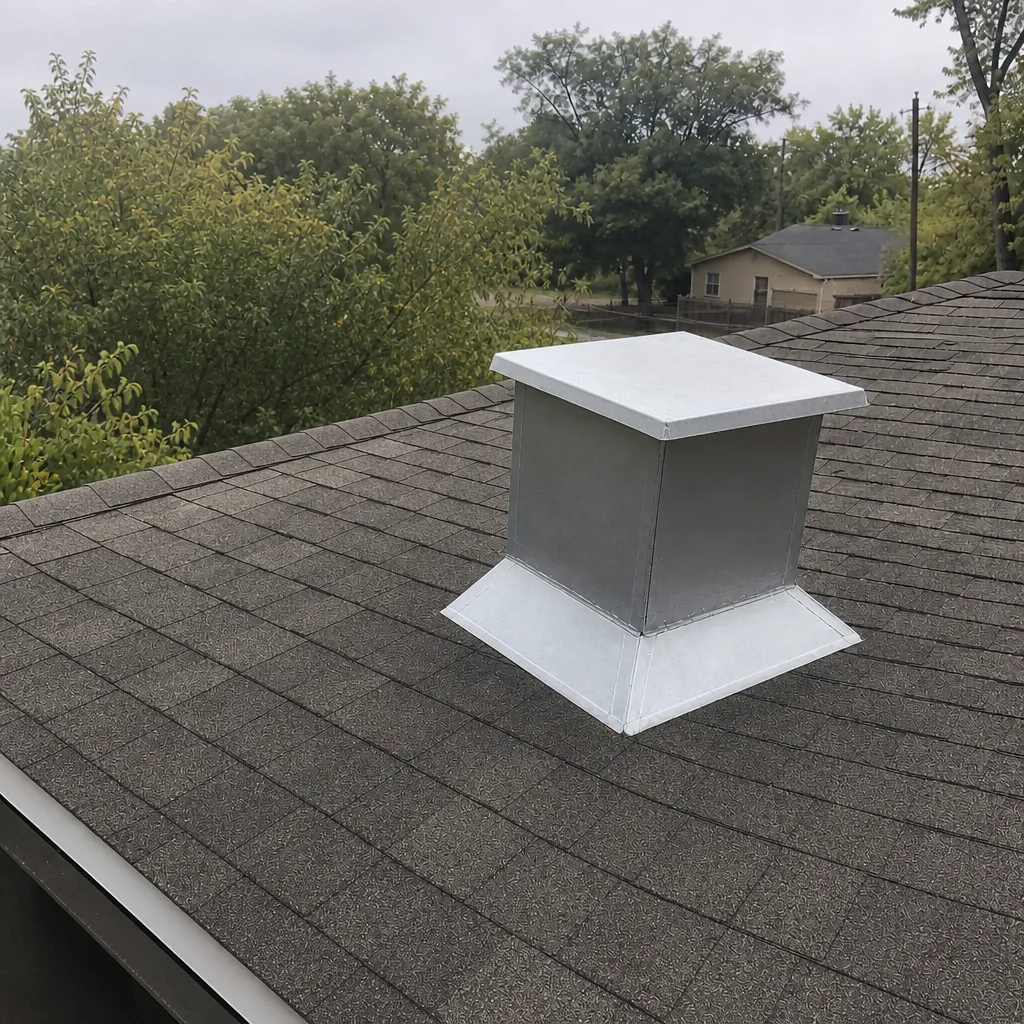 After
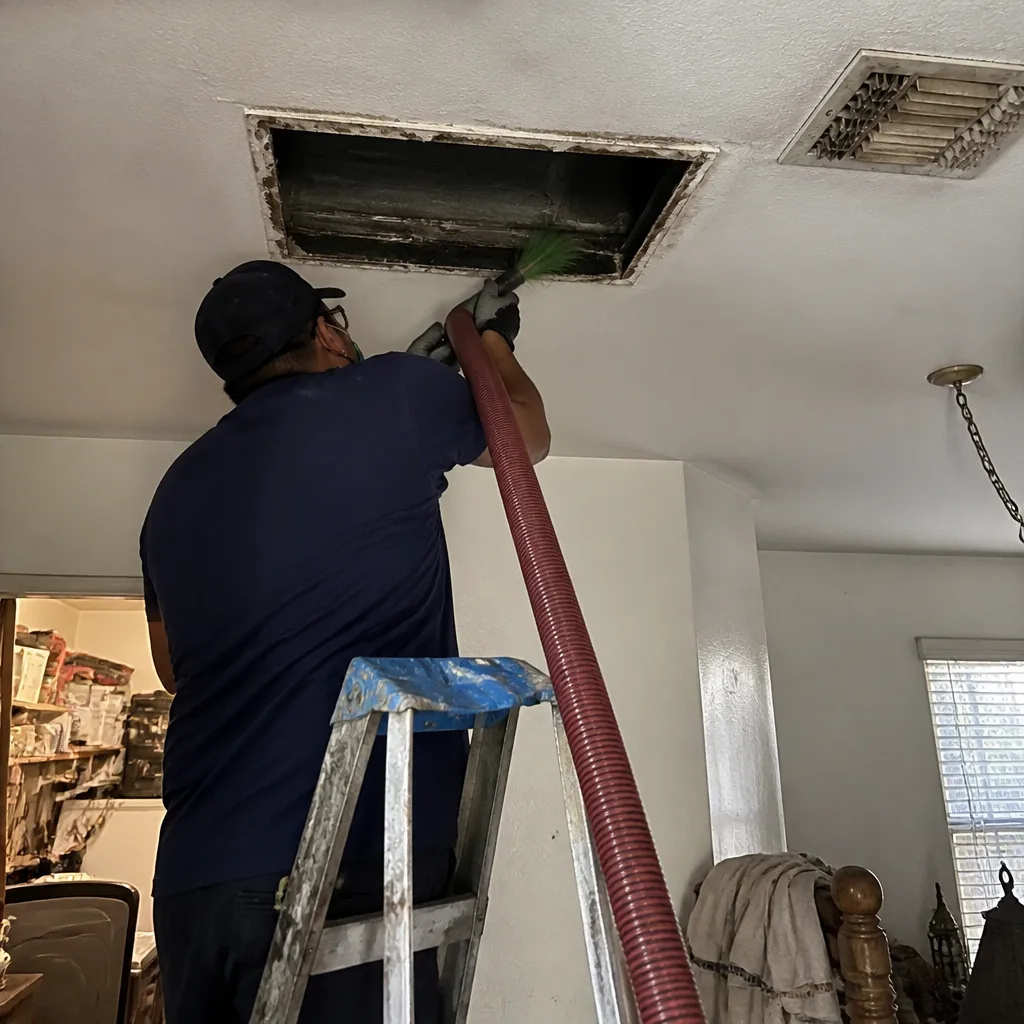 Before
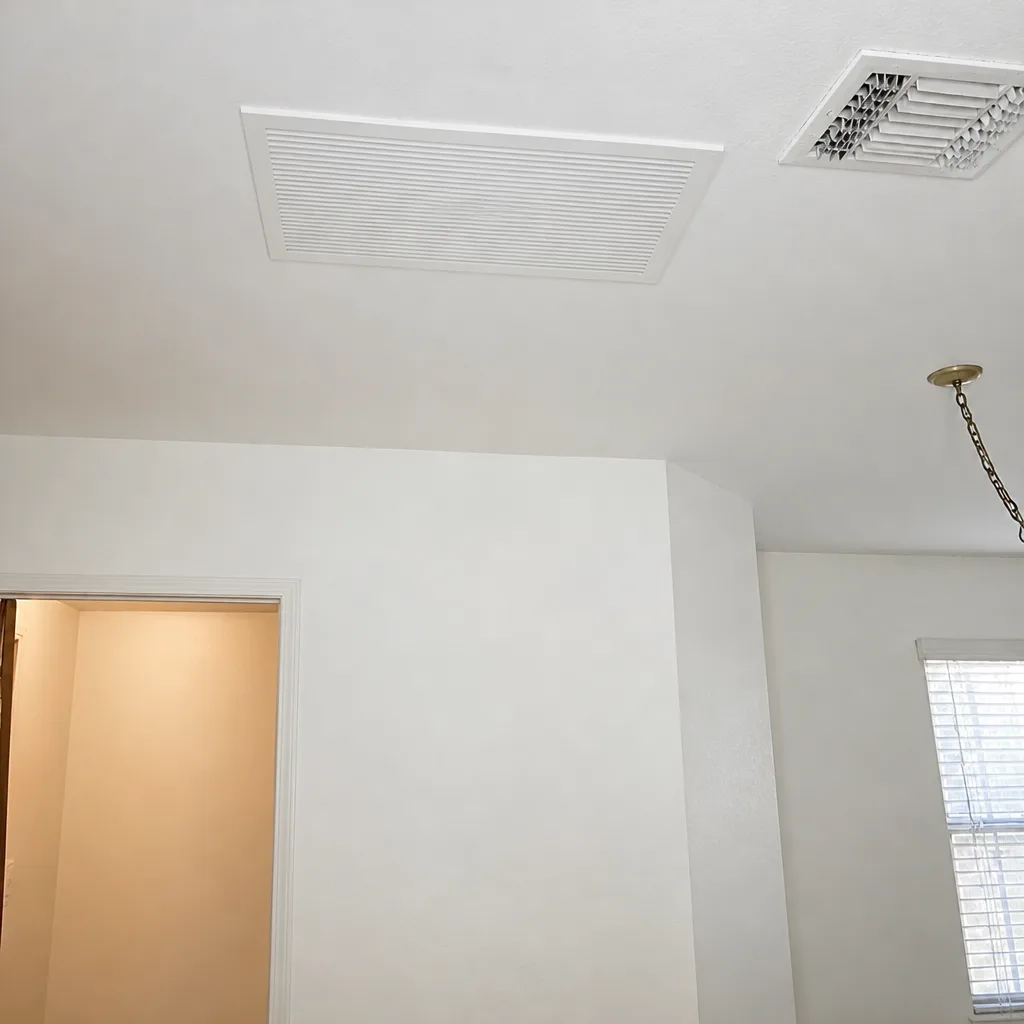 After
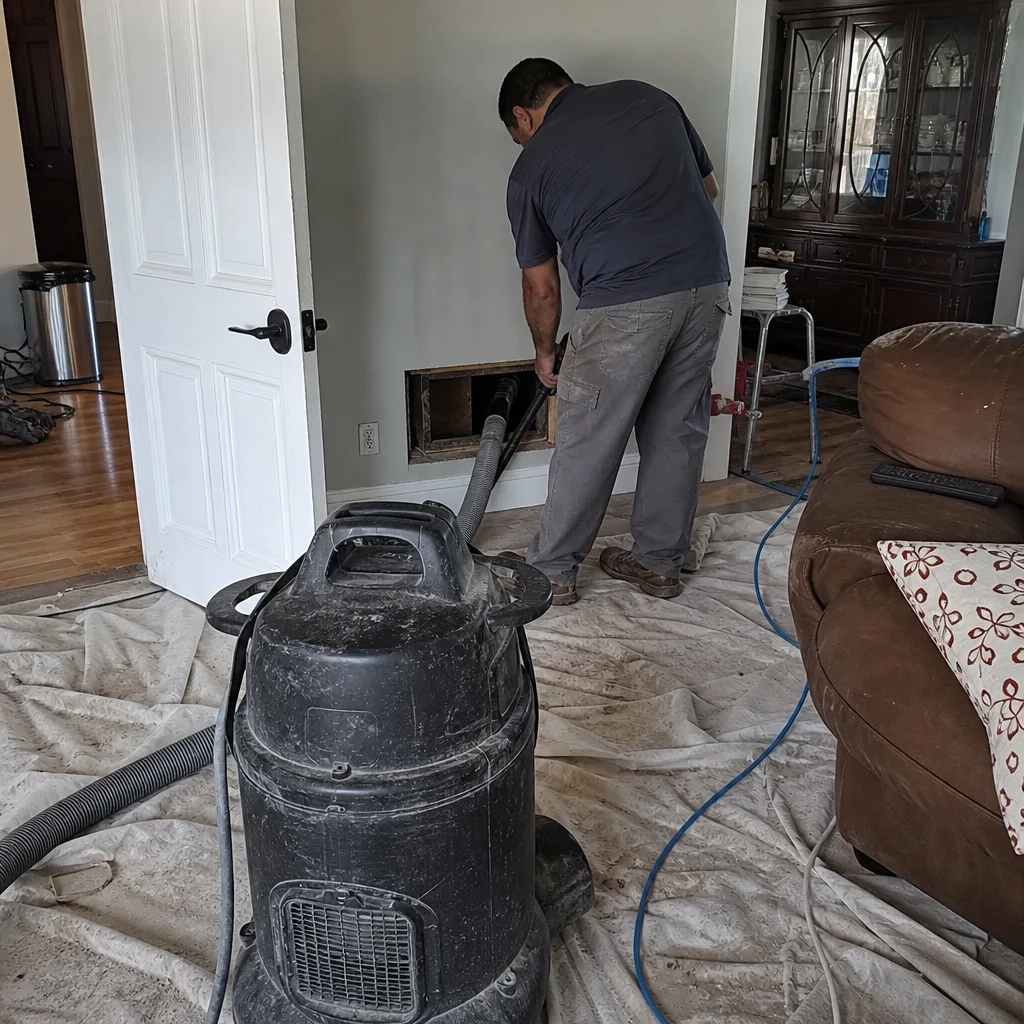 Before
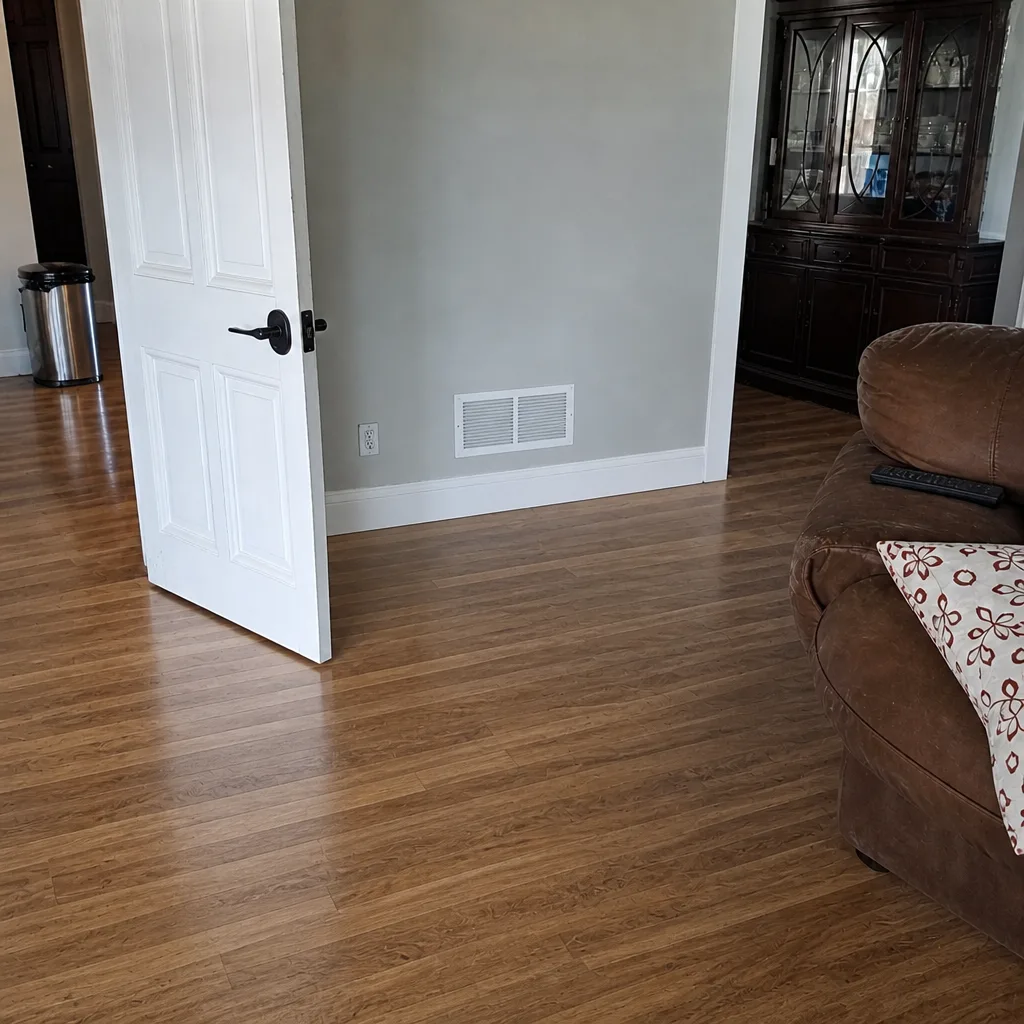 After
When to Call a Professional
Some signs point clearly to needing a professional rather than a homeowner attempt. If you’ve recently finished renovation work and the returns pulled construction dust through the system, that’s a professional job. If you’ve moved into an older San Angelo home and don’t know when the ducts were last serviced, an inspection is the right first step. If family members notice more dust or allergy irritation indoors than they used to, the duct system is a reasonable place to look. If your dryer takes two cycles to dry a load, call about dryer vent cleaning before it becomes a fire risk. And if any contractor’s quote contained the words “full cleaning” and nothing else, get a second opinion. Duct Cleaning San Angelo offers free estimates in San Angelo. Call (844) 761-5306. We answer 24/7. Fast dispatch from 7am to 7pm, Sunday through Friday.
Frequently Asked Questions
Most whole-home duct cleanings in San Angelo fall into a range that depends on the number of runs, the condition of the system, and whether repair is needed. You should receive one flat price for the whole system, agreed before work begins, based on a written estimate. Per-vent pricing hides the real total, and a written estimate sets the final price. Call (844) 761-5306 for an exact quote; estimates are free.
Cheap quotes are cheap because steps are being skipped: fewer passes, missed runs, no air filtration during the job, no documentation, and no repair capability. Labor is the main cost in a real cleaning, so a bid far below the rest is a bid that plans to do less. A documented quote with named equipment tells you exactly which steps are included. Call (844) 761-5306 for a free written estimate you can compare line by line.
You know because you have dated before-and-after photos of your own duct system, not stock images, plus a written report of what the technician found. Make documentation a contract requirement before the job starts. A contractor who offers this without being asked is showing you how they work. Call (844) 761-5306 to book a job with documented proof.
Most homes do fine with cleaning every few years, but San Angelo’s dusty climate, recent renovation work, a move into an older home, or a system that’s never been cleaned all make the interval shorter. The honest answer comes from an inspection, not a calendar. Call (844) 761-5306 for a free estimate and an inspection-based recommendation.
No, Texas does not require a state license for air duct cleaning, which is why your own vetting matters so much. Verify liability insurance, a verifiable business registration, and any association membership through the organization’s own directory rather than a website logo. A company that answers these questions in writing is worth considering. Call (844) 761-5306 with your questions before you book anywhere.
Often yes, when the cause is a clogged dryer vent line. Lint buildup restricts airflow, extends drying time, and creates a fire hazard, which is why dryer vent cleaning is a safety service rather than a convenience one. We treat dryer vents as the fire hazard they are. Call (844) 761-5306 to schedule dryer vent cleaning in San Angelo.
The Bottom Line
Hiring an air duct cleaning contractor in San Angelo comes down to verification, because the trade itself has no licensing gate. Ask for the CFM rating, the vacuum platform, and the brush type. Demand line items instead of “full cleaning.” Insist on a contract with specific scope, before-and-after photo documentation, and damage liability for flex duct and insulation. Treat a suspiciously low bid as a signal of skipped steps rather than a bargain. And look for a contractor who can repair what they find, not just clean around it. Professional-grade equipment, not consumer shortcuts. We clean it, and if it’s broken, we fix it.
If you’d rather skip the vetting entirely, call (844) 761-5306 for a free estimate. We answer 24/7. Fast dispatch from 7am to 7pm, Sunday through Friday. One flat price per system agreed before work starts, before-and-after photos of your own ducts, and a satisfaction guarantee.
Written by the team at Duct Cleaning San Angelo.