
Last updated November 16, 2026
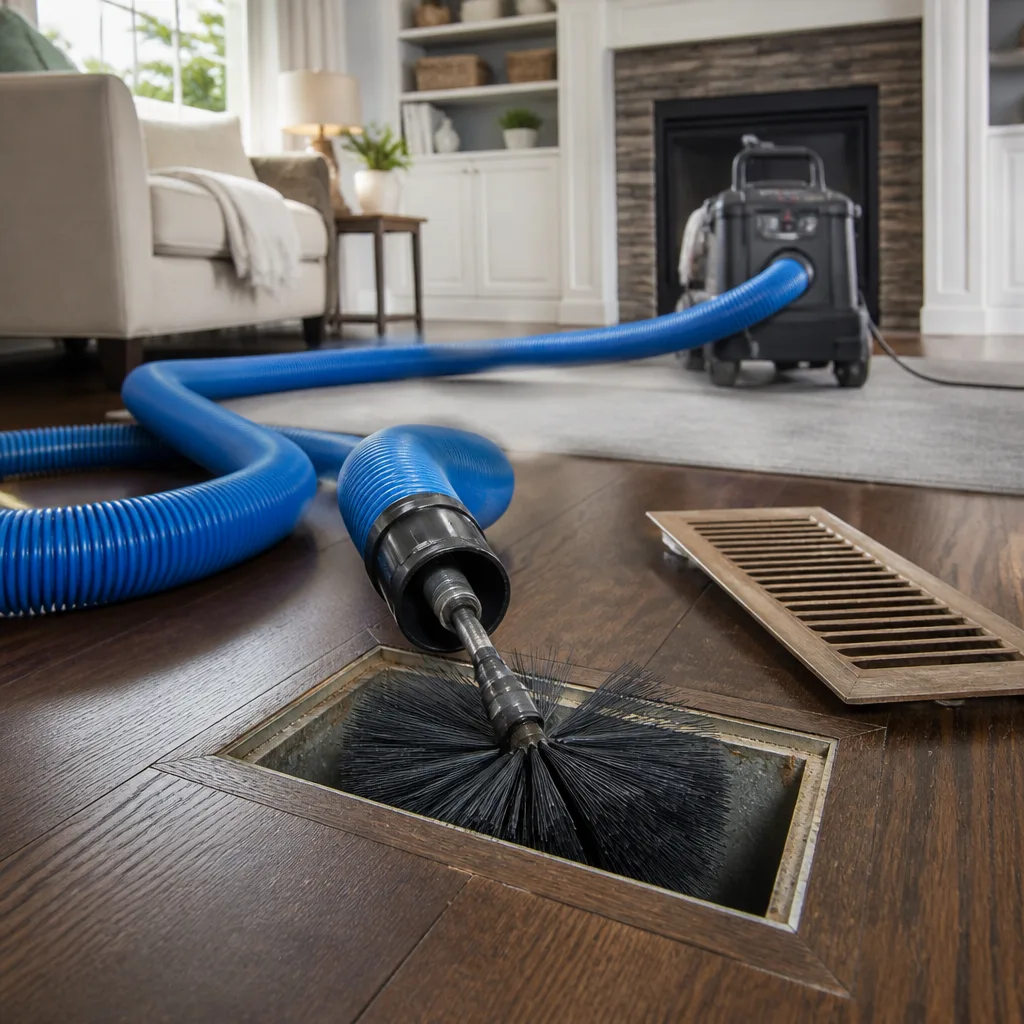 Whole-home duct cleaning
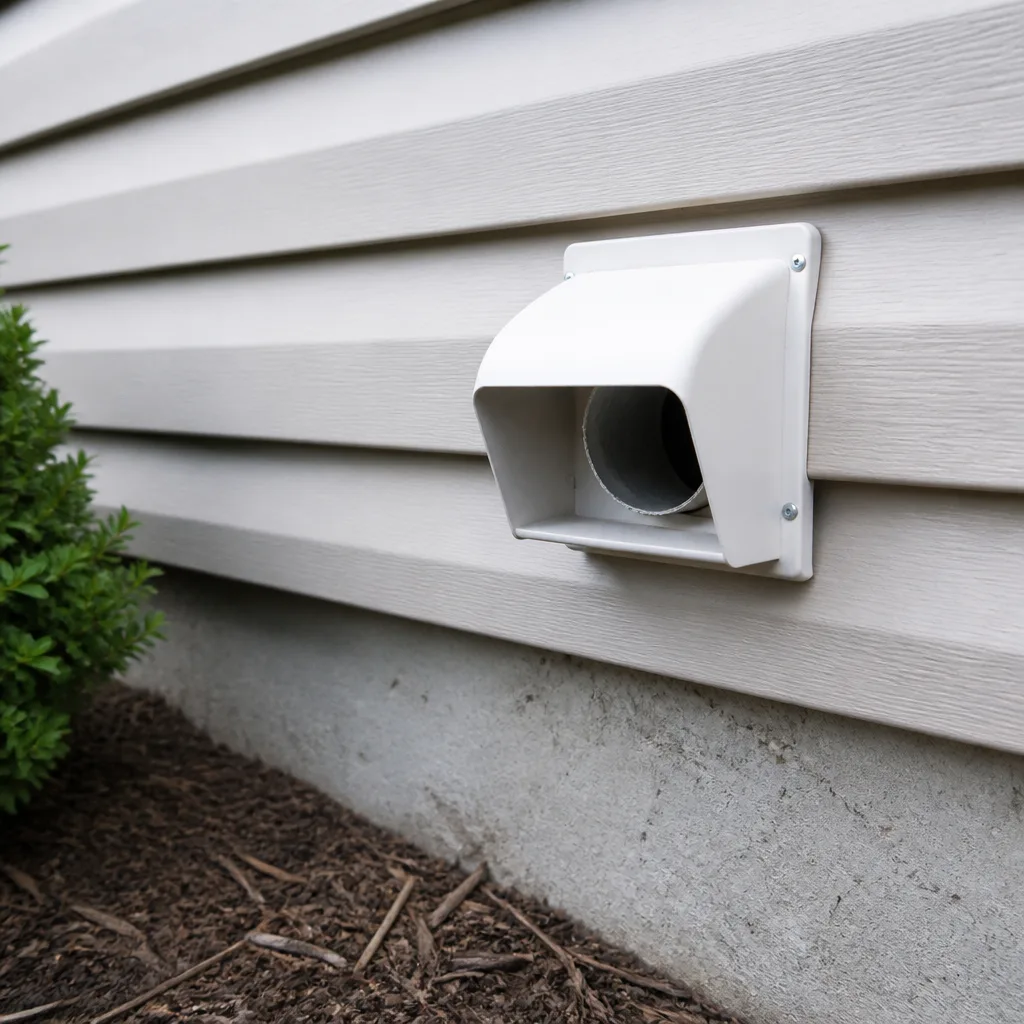 Dryer vent cleaning
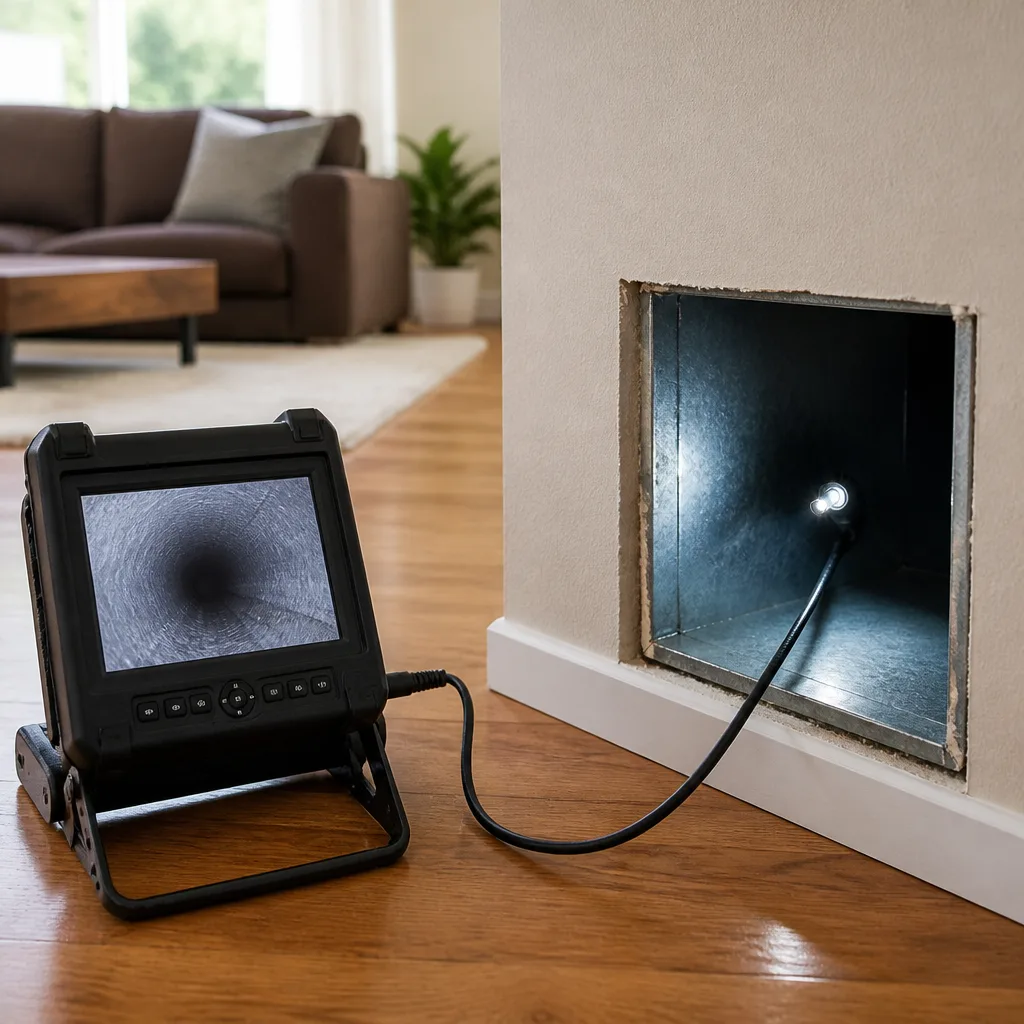 Camera inspection
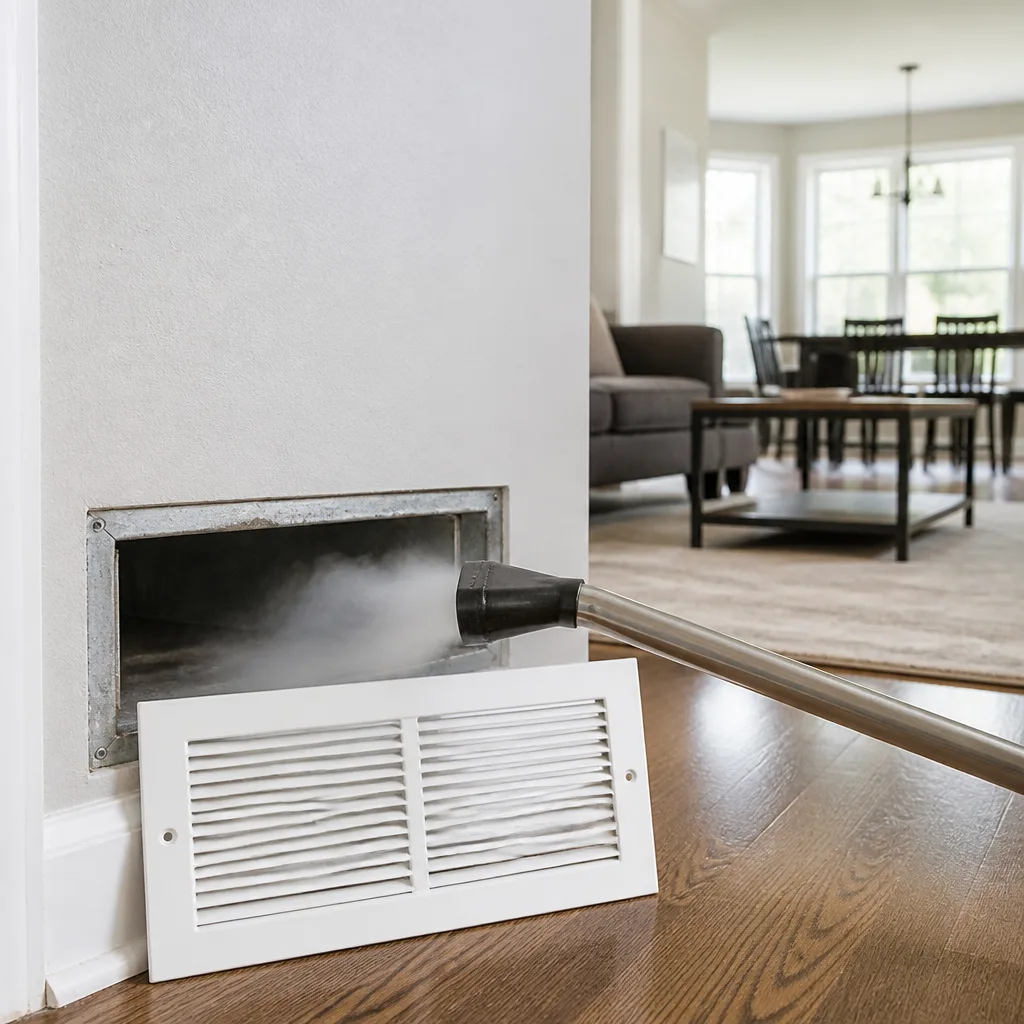 Sanitizing & deodorizing
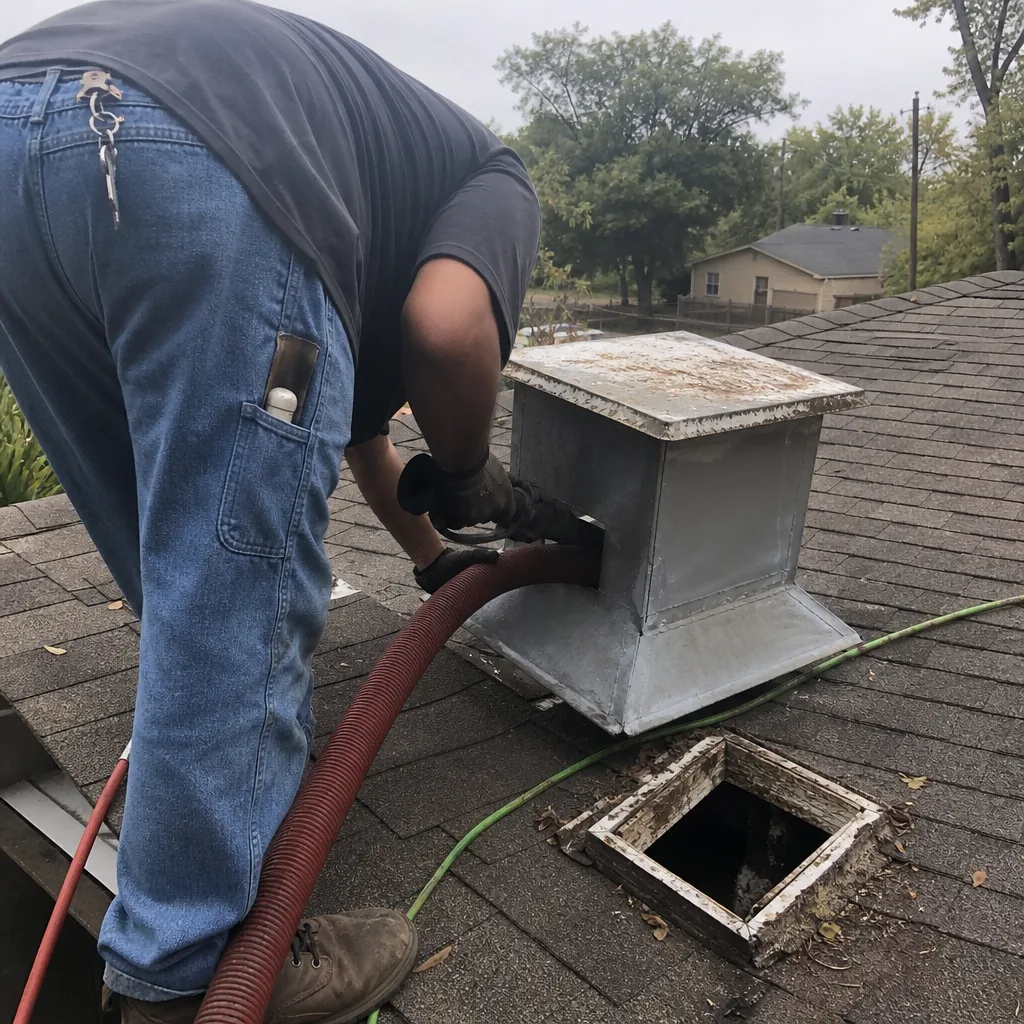
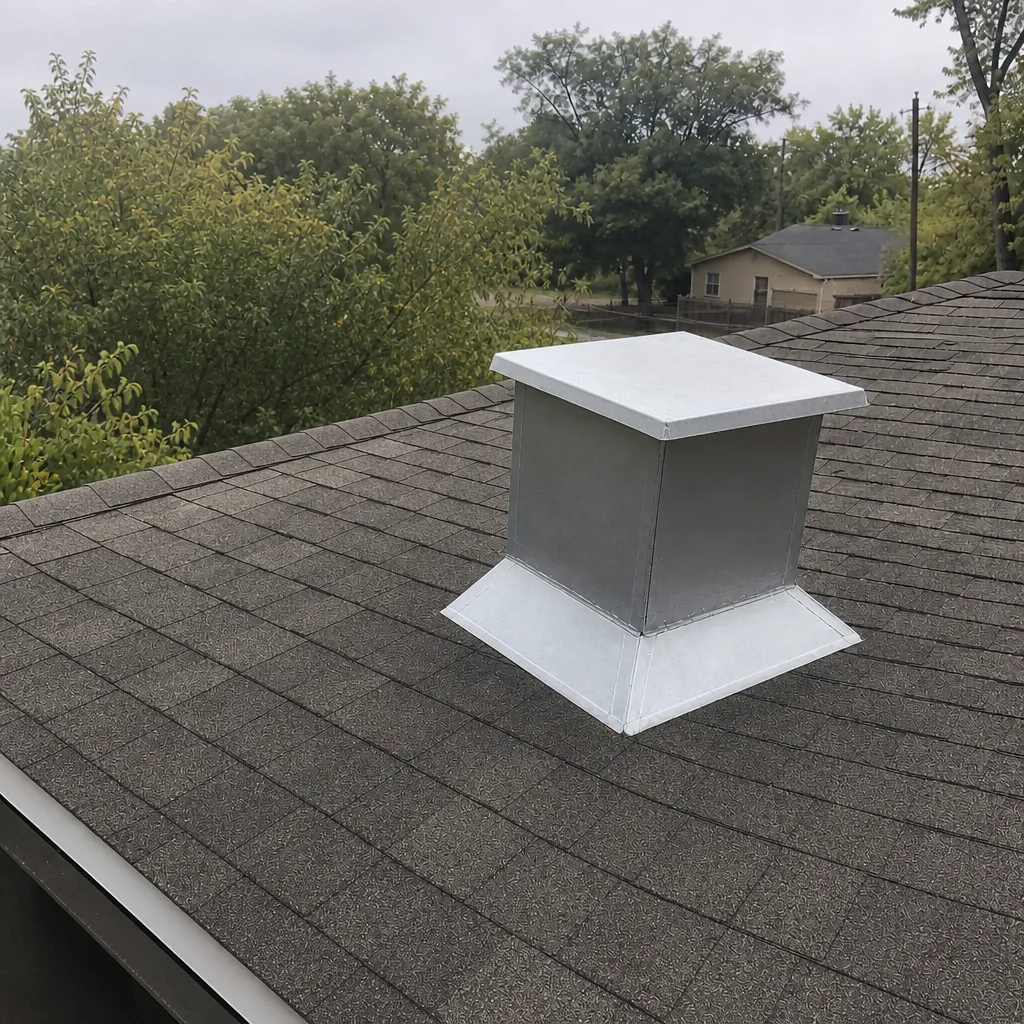
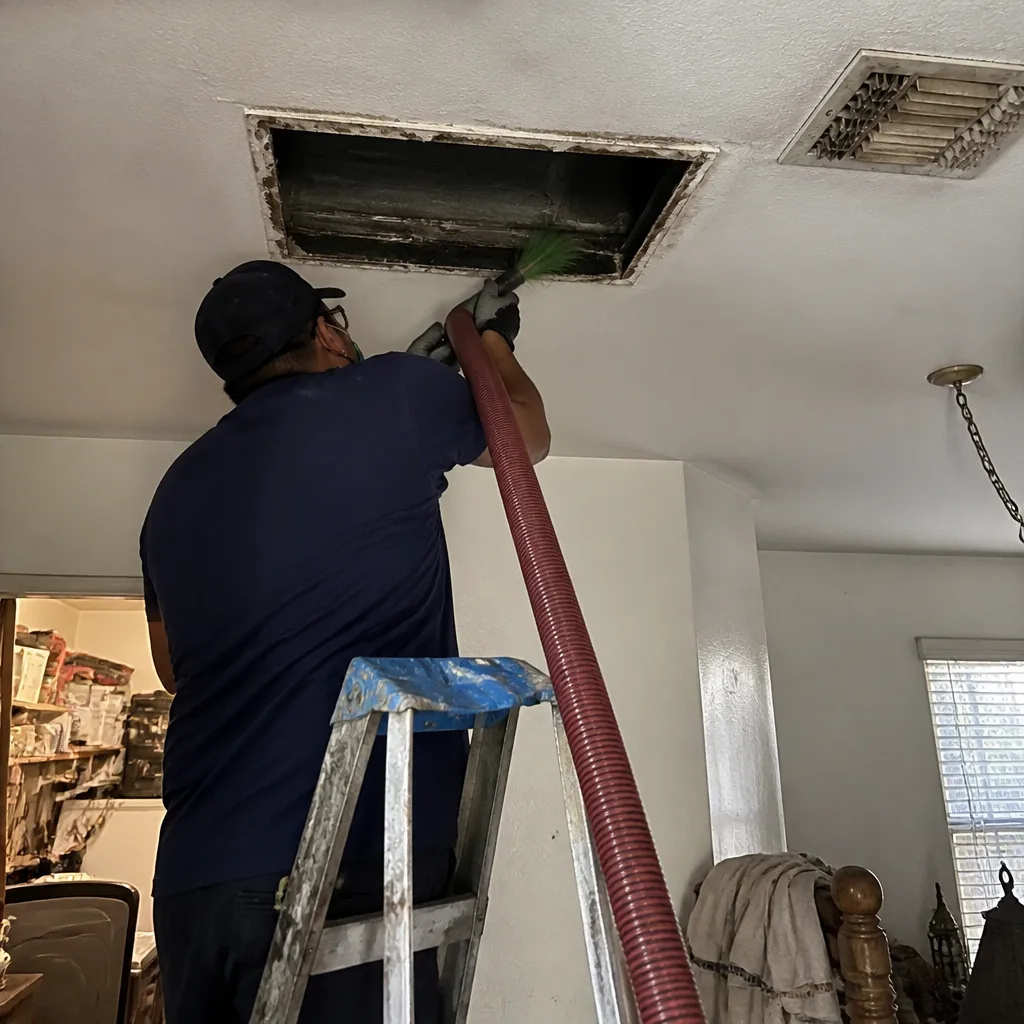
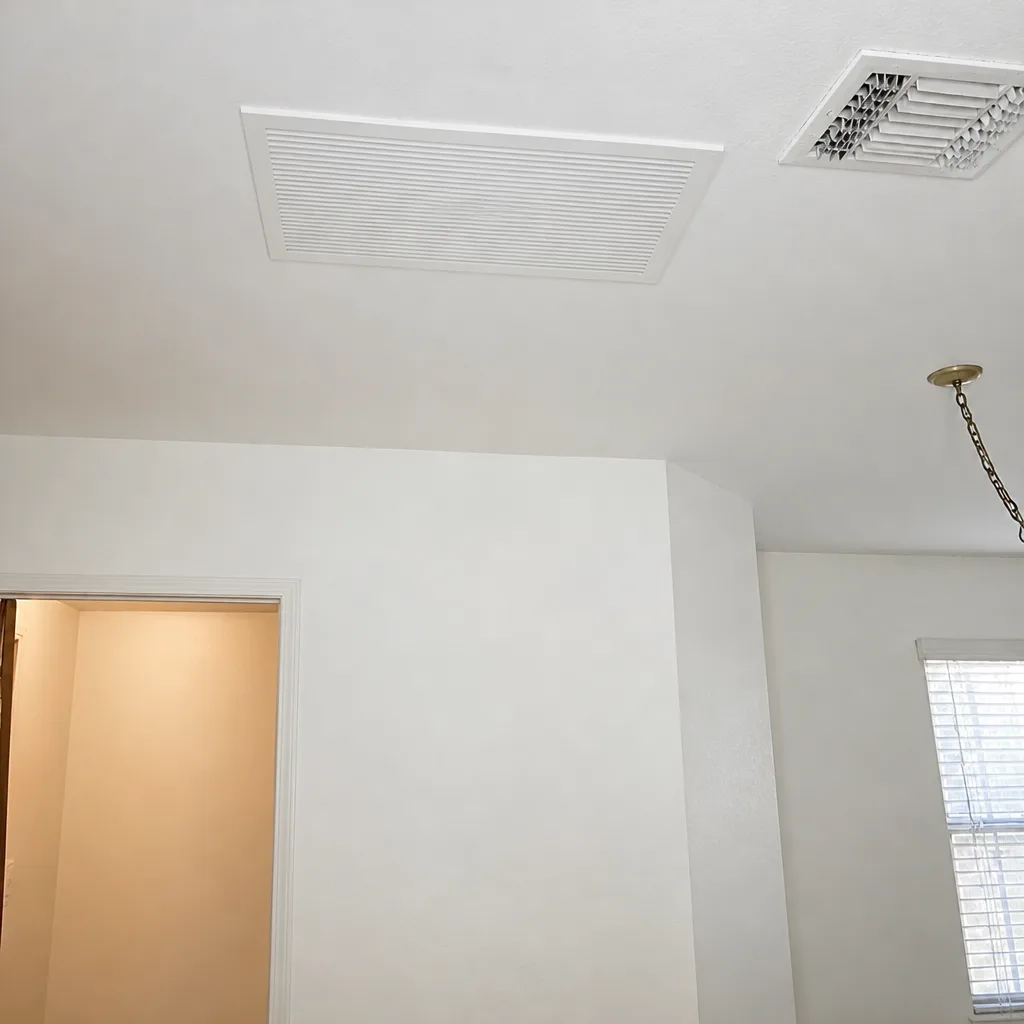
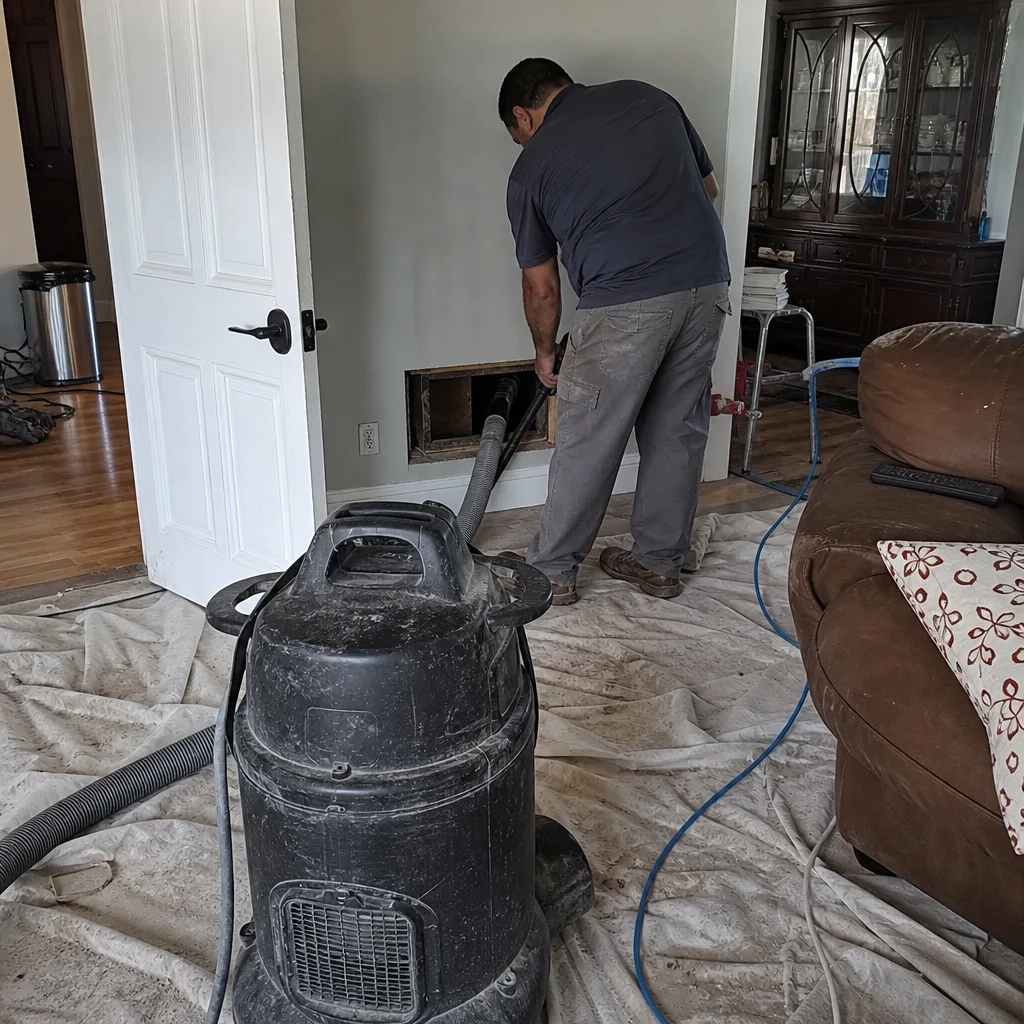
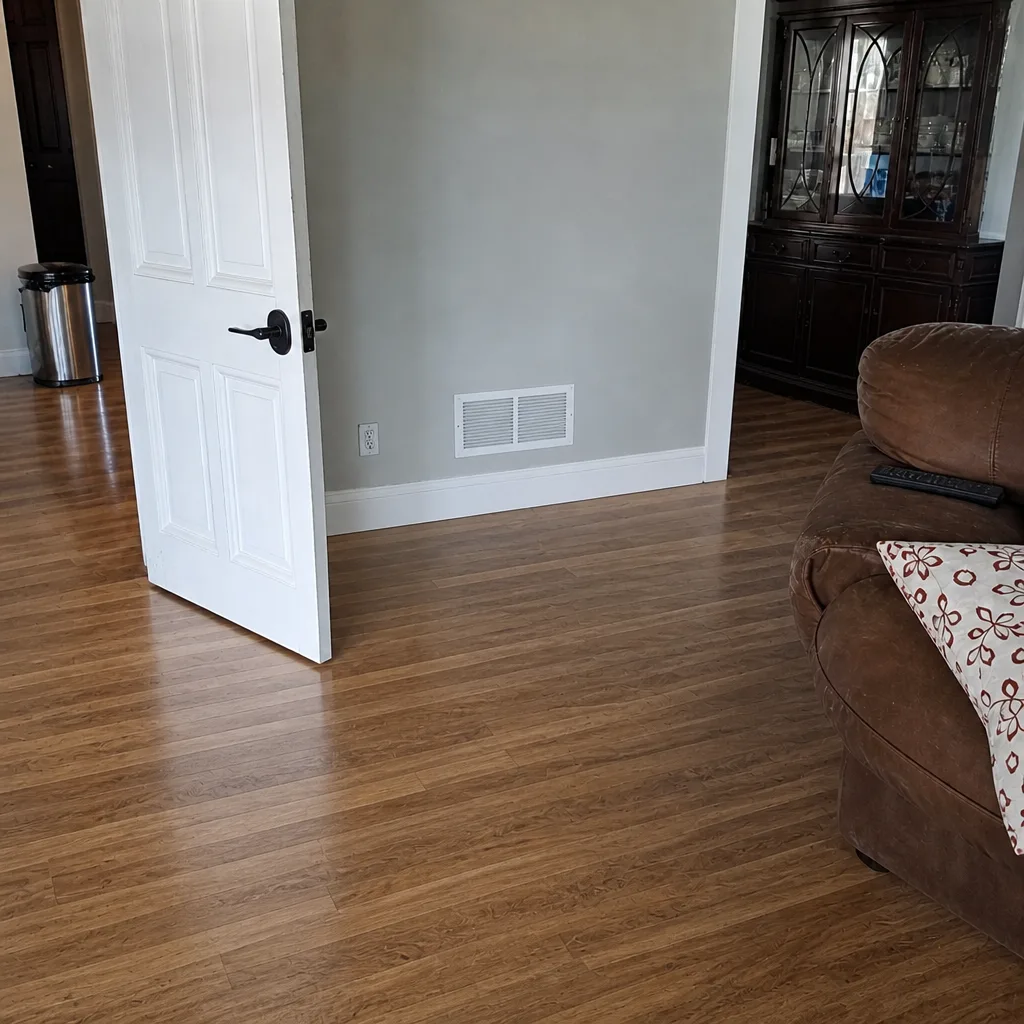
Whole-system duct and dryer vent check with before-and-after photos - you see exactly what came out of your vents
That "$99 whole-house special" is a bait ad - the real number appears once they are in your hallway, or the "clean" is a shop-vac at the register. We photograph the inside of your ducts before and after instead.
DIY vs Professional Air Duct Cleaning: The San Angelo Homeowner’s Decision Guide
There’s a hard ceiling on DIY duct cleaning, and most people find it without realizing it was there. With a shop vacuum and a brush you can genuinely clean the first stretch of a duct run and one or two return grilles, and that’s real work that helps a little. But that same effort can look like a complete job while leaving most of the system untouched, and if it’s done the wrong way it moves dust through the house or pushes it toward the air handler. This guide draws a precise line between what you can do yourself in San Angelo and what it takes professional-grade negative-pressure equipment to reach, so you can decide with clear numbers in mind.
Quick Answer
DIY duct cleaning is a real option for light maintenance: cleaning supply registers, clearing return grilles, and inspecting accessible ductwork. It is not a substitute for whole-system cleaning, because a consumer vacuum cannot generate the negative pressure needed to pull debris out of trunk lines and deep branch runs, and working without containment can spread that debris into your living space. In San Angelo, where dust loads are heavy and many homes have older flex duct in the attic, anything beyond basic surface work is best left to professional equipment.
Styles & brands we work with
- Whole-home duct cleaning
- Dryer vent cleaning
- Camera inspection
- Sanitizing & deodorizing
Table of Contents
- What DIY Duct Cleaning Can Honestly Accomplish
- Why a Shop Vac Hits Its Limit
- What You Can Damage Doing It Yourself
- The Real Cost of DIY vs a Professional Job
- San Angelo Factors That Tip the Decision
- How a Professional Job Actually Works
- When Cleaning Reveals a Repair
- Dryer Vents: Where DIY Is Most Risky
- Common Mistakes to Avoid
- When to Call a Professional
What DIY Duct Cleaning Can Honestly Accomplish
You can do some useful things yourself, and pretending otherwise doesn’t help anyone. The areas a homeowner can reach safely are the ones open to the room: supply registers, return grilles, and the first length of duct directly behind each. Cleaning those spots reduces the dust that gets blown into a room every time the system kicks on, and it costs you an afternoon rather than an estimate.
Here’s the sequence that works and won’t cause problems:
- Turn the system off at the thermostat before you touch anything, so the blower can’t pull loosened dust back through the house while you work.
- Pull the supply registers and return grilles. Most are held by two screws. Set them aside and wash them in a sink with warm water and a little dish soap.
- Wipe the inside of the register boot (the short metal or plastic lip the grille sits in) with a damp cloth. This is the dust you actually see, and it’s the easiest to remove.
- Wipe the return grille and the box behind it as far as your arm reaches. Returns collect the most visible dust because they carry the whole house’s air.
- Look, don’t push. Shine a light into each opening and note what you see: dust building on one side, a disconnected joint, a torn liner, or debris sitting in a run. Write it down. This inspection is valuable even if you hire the job out.
- Vacuum what you can reach with a brush attachment, using light pressure. Don’t jam a hose down the duct and don’t run a spinning brush you bought online.
- Reinstall everything and run the system. Check airflow at each register.
What this accomplishes: cleaner grilles, less dust on the floor near the vents, and a real picture of your ductwork’s condition. What it doesn’t accomplish: cleaning trunk lines, branch runs, the plenum, or the inside walls of the ducts past the first reach. If you want the whole-system version, air duct cleaning covers the parts you can’t reach.
Why a Shop Vac Hits Its Limit
The reason DIY cleaning stalls is physics, not effort. A wet/dry vacuum is built to pull a large volume of air at low pressure over a short hose. Duct cleaning needs the opposite: strong negative pressure held across an entire connected system so debris lifts off the duct walls and travels toward a single collection point. Those are different jobs and different machines.
Here’s what that difference means in practice:
- Pressure, not volume. Consumer vacuums move air but don’t create the sustained suction that pulls material out of a long branch run. You get the dust near the nozzle and leave the rest.
- No agitation. Dust bonds to duct walls and to flex duct’s ridged interior over time. Suction alone won’t break that bond. Professional work uses a rotary brush system that mechanically loosens the material first, which is why we run a Rotobrush system rather than relying on vacuum alone.
- No containment. This is the one that matters most. When you work on a duct system without controlled negative pressure at the collection end, the debris you loosen has to go somewhere. Often it goes into the air handler and then into the rooms. That’s why professional jobs use HEPA-rated extraction and air scrubbers. We use Abatement Technologies filtration during service specifically to control the work area instead of redistributing contaminants through the house.
- No seal. A whole-system clean requires closing off registers and creating a pressure loop. A shop vac in one vent has no way to seal the other openings, so the suction leaks out everywhere.
One more point: to clean a duct system properly means the ducts must be cleaned on every side of the run and connected to the same pressure source. The first twelve inches look like progress on a camera, but on a run that’s fifteen or twenty feet long it’s a small fraction of the surface. That’s the ceiling. In our experience, most homeowners reach it without realizing the work stopped there.
What You Can Damage Doing It Yourself
A DIY attempt in the wrong hands doesn’t just underdeliver, it can make the professional job harder and sometimes turns a cleaning into a repair. The problem isn’t dust; it’s what’s inside the duct besides dust.
The most common ways a DIY job goes sideways:
- Compressed debris. Pushing a brush or nozzle forward against a heavy dust load compacts it against a fitting or a damper. What was a cleaning job becomes a stubborn block that takes more time to remove.
- Disturbed insulation. The inside of older flex duct is lined with a thin plastic layer over insulation. Force a brush through it and you tear the liner. The insulation fibers then enter the airstream, and that’s a duct repair, not a cleaning.
- Damaged duct liner. The same risk applies to lined sheet metal. A spinning consumer brush running at the wrong speed can abrade the liner, and once the coating is compromised the duct needs repair or replacement.
- Loose connections. Pulling a flex run at a joint to reach further in can separate the inner liner from the collar. A duct that was sealed is now leaking into the attic, which is the opposite of what you wanted.
- Blown debris into the air handler. Loosened material that gets pulled toward the equipment can foul the blower wheel and the evaporator coil, and coil cleaning is a different service than duct cleaning.
- Grille damage. Prying a painted or caulked grille to remove it tends to crack the frame or strip the screw holes. That’s a small loss until the grille rattles every time the system runs.
The pattern is consistent: the damage happens when someone pushes further than the duct was built for. We see the results and they’re fixable, but they cost more than the cleaning would have.
The Real Cost of DIY vs a Professional Job
On paper DIY looks free, but a fair comparison is what you pay now versus what you pay later. A professional whole-system cleaning is a single line item, priced per job with the estimate agreed before work begins, with no per-vent pricing and no bait-and-switch invoice after the technician is standing in your living room. DIY costs a few hours and some supplies, but defers the work rather than doing it.
The point where deferral becomes a repair bill is when the deferred material starts causing problems elsewhere:
- Restricted airflow and a harder-working system. A heavy dust load in the returns and trunk line reduces airflow. The blower runs longer and the house cools less evenly. That’s the earliest and most common symptom.
- A fouled blower and evaporator coil. When enough fine dust passes through, it collects on the coil. That’s a separate service and it isn’t part of duct cleaning.
- Damaged liner and leaking joints. The duct repair work that follows a failed DIY attempt is a whole-step-up cost: material plus labor plus resealing.
- Repeat work. Doing the shallow version three times a year costs you a Saturday each time and still leaves the trunk lines untouched.
In other words, DIY is a legitimately cheap answer to a small problem, and the wrong tool for a large one. Our experience is that once a system is carrying enough dust to affect airflow, the saving from DIY doesn’t hold up. Call (844) 761-5306 for a free estimate and you’ll know the number before you decide.
San Angelo Factors That Tip the Decision
Three local conditions push the balance toward professional work in San Angelo: dust load, duct materials, and attic heat. Each affects how much a DIY attempt can actually deliver.
Dust load. This part of West Texas is dry, windy, and prone to blowing dust, and a home’s return system pulls that material in all season. In practice this means duct dust accumulates faster here than in a humid, leafy climate where windows stay shut. A system that would be fine for three years elsewhere may deserve attention much sooner. That means surface cleaning, which handles a light load, has a much shorter useful life here.
Older flex duct in 1980s – 1990s construction. A large share of housing in San Angelo was built during that era, when flex duct was the standard for branch runs. Flex duct is efficient and cheap to install, and it has a soft inner liner. That liner is exactly the part a homemade brush or aggressive nozzle can tear. It also traps dust in its ridges harder than smooth sheet metal. So older San Angelo homes are both more likely to accumulate debris and less forgiving of a DIY reach-in.
Attic temperatures. Attic duct runs in San Angelo take on serious heat. Heat stress over time makes the flex duct materials stiff and brittle, and it can make the tape and sealant at joints fail. An attic run that has already been stressed doesn’t need someone pulling on it through a register. Professional work here calls for careful handling, and a whole-system job is the point where you find out whether a joint is already failing.
Add it up and the San Angelo calculation is clear: the environment generates more dust than a shop vac can manage and the predominant duct type is the one least suited to a rough homemade cleaning.
How a Professional Job Actually Works
A whole-system clean is mostly about creating and controlling pressure. That’s the difference you’re paying for, not the length of time someone spends in your home.
- Inspection first. We look at the system and note duct type, accessible joints, and any existing damage, plus the condition of the return and supply runs. You get a clear picture before anything starts.
- Containment. Air scrubbers and filtration run during the work so that the particles loosened by cleaning stay in the work area. We use Abatement Technologies filtration for exactly this reason: to protect indoor air quality while the job is underway, rather than pushing contaminants back through the house.
- Agitation. A rotary brush system travels the inside diameter of each duct, mechanically breaking dust off the walls. That’s the Rotobrush platform we run, and it’s purpose-built for ducts. It also reaches the sides of a run, not just the far end.
- Extraction. HEPA-rated vacuum equipment, using Nikro machines, pulls the loosened material out under sustained negative pressure, collecting it instead of letting it settle back down.
- Verification. We show before-and-after photos of your own ducts. That’s the answer to “how do I know it was actually done” and it’s how you judge a job you can’t see.
- Recommendations. After the work, we can advise on whole-home air quality improvements that reduce future dust load. Because we know the Honeywell and Aprilaire product lines, we can point you to filtration solutions that fit your system, and we mention them as options, not as a required add-on.
We clean it, and if it’s broken, we fix it. That’s the difference between handing a job to a company that only cleans around damage and one that can seal and repair it.
When Cleaning Reveals a Repair
Most duct cleaning companies clean and go. The problem is that a good cleaning finds things: a disconnected flex run, a torn liner, a joint that’s been leaking into the attic. You can’t fix that with a vacuum, and a company that doesn’t offer repair has to leave it.
That’s why duct repair sits alongside cleaning here rather than behind a separate contractor. In San Angelo, with flex duct heat-stressed in the attic and sealant that’s aged, these issues are common. Repairing as part of the same job matters for two reasons:
- A leak defeats the cleaning. If a run has been leaking in the attic, the dust load in the living space doesn’t drop, and the “after” inspection never matches the before.
- Airflow and efficiency. Sealed, connected ductwork delivers air where it was intended. A leaking run wastes the equipment and the energy bill.
It also changes the planning. If you’ve been thinking about doing this yourself, remember that the professional look is the one that tells you whether something is broken. Ask for photos, ask for an inspection, and expect a clear account of what the whole system looks like, not just what was cleaned.
Dryer Vents: Where DIY Is Most Risky
Dryer vent cleaning is the other part of the system, and it deserves a separate mention because a clogged vent is a house-fire risk and a lint buildup that most DIY work doesn’t clear. A dryer that takes two cycles to dry a load is usually the symptom, and the lint packed inside the vent is the cause.
A homeowner can pull the dryer out, disconnect the short length of flex, and clean what’s immediately inside. That helps. It doesn’t reach the full vent run, the bends, or the exterior hood. Professional dryer vent cleaning uses the same agitation and extraction approach as duct work, and it’s the only way to know the full run is clear. We treat dryer vents as a fire hazard and clean them like one.
Common Mistakes to Avoid
- Running the system while you clean. Turning the blower on with a register open sends what you’ve loosened straight into the rooms. Leave the thermostat off until you’re done.
- Pushing a spinning brush down the duct. Consumer brush attachments can tear flex duct liner and abrade lined metal. Use a plain brush attachment with light pressure and stop at the first stretch.
- Using a shop vac on deep branch runs. It creates none of the pressure the job needs and can compact debris against a fitting. It’s a great tool for grilles and a bad one for trunk lines.
- Ignoring torn liner or a disconnected joint. Cleaning around damage leaves the problem in place. If you see a split liner or a loose connection, note it and get it repaired, not just cleaned.
- Assuming a clean-looking grille is a clean system. The grille is the last thing air touches. The duct behind it is what determines dust load and airflow.
- Skipping the dryer vent. It sits separate from the HVAC system and gets forgotten, yet it’s the biggest safety item in the house.
- Choosing a company on the quote alone. A cheap quote on a duct job often means no containment, no agitation, and no photos. Ask what equipment will be used and whether you’ll see pictures of your own ducts.
When to Call a Professional
Call a professional when the work goes beyond the register-and-grille level. That means visible dust settling in the rooms, a system that’s been through renovation or a move into an older home, uneven airflow, or a dryer taking two cycles. It also means any sign of torn liner, disconnected flex, or a damaged joint. For most San Angelo homes the deciding factor is simply whether the system has ever been cleaned, because the first whole-system job is the one that reveals the condition.
Duct Cleaning San Angelo offers free estimates in San Angelo. Call (844) 761-5306 and we’ll take a look. We answer 24/7. Fast dispatch from 7am to 7pm. Our technicians have up to 13 years of experience, and we use professional-grade equipment, not consumer shortcuts.
Frequently Asked Questions
You can clean the parts you can reach: supply registers, return grilles, and the first stretch of duct behind them. You cannot clean the full duct system without professional negative-pressure equipment. For an older San Angelo home with flex duct, reach-in cleaning also carries a real risk of tearing the liner, so keep it to grilles and inspection.
A whole-system cleaning is priced per job by a written estimate that’s agreed before work starts, and there’s no per-vent pricing. The point of the flat price is that you know the number up front, with no coupon teaser that grows into a larger invoice once the technician is on site. Call (844) 761-5306 for an exact quote; estimates are free.
Because the cheaper job usually skips the parts that cost a company money: containment, rotary agitation, and HEPA extraction. A quick pass with a shop vac and a brush is fast and inexpensive, and it leaves most of the system untouched. Ask any company what equipment they use and whether they’ll show you photos of your own ducts, then compare on that.
Ask for before-and-after photos of your own ductwork. A camera and a photo record are the only way to verify work you can’t see, and any company confident in its process will offer them. We include them as part of the job.
Dust load here is heavy, so the general intervals you read online often don’t apply. A system in a dry, windy San Angelo home may need attention sooner, especially after renovation or a move into an older house. A visual inspection is the honest way to know.
It can, if debris gets dislodged and distributed through the house instead of pulled out in a contained setup. That’s why professional work runs air scrubbers during the job. For allergy and dust concerns, a whole-system clean with containment is the safer route.
Yes. We provide free estimates in San Angelo and use professional equipment from Rotobrush and Nikro, with containment from Abatement Technologies. Call (844) 761-5306. We answer 24/7. Fast dispatch from 7am to 7pm.
The Bottom Line
DIY duct cleaning is a real option for a narrow slice of the job: registers, grilles, and inspection. It’s a bad fit for everything past the first stretch of each run, because a consumer vacuum can’t create the pressure a whole-system clean needs and DIY work without containment moves debris through the house instead of removing it. In San Angelo, with its heavy dust load, 1980s – 1990s flex duct, and hot attic runs, that ceiling arrives faster than in most places. Clean what you can reach yourself if you want. When the system needs the whole job, use professional equipment and get photos when it’s done.
If you’re ready for a real assessment, duct cleaning in San Angelo is our starting point: free estimates, professional-grade equipment, and a process you can verify.
Call (844) 761-5306. We answer 24/7. Fast dispatch from 7am to 7pm, Sunday through Friday. We’ll give you a written estimate before anything starts.
Written by the team at Duct Cleaning San Angelo.
See the difference
 Before
 After
 Before
 After
 Before
 After