
Last updated November 16, 2026
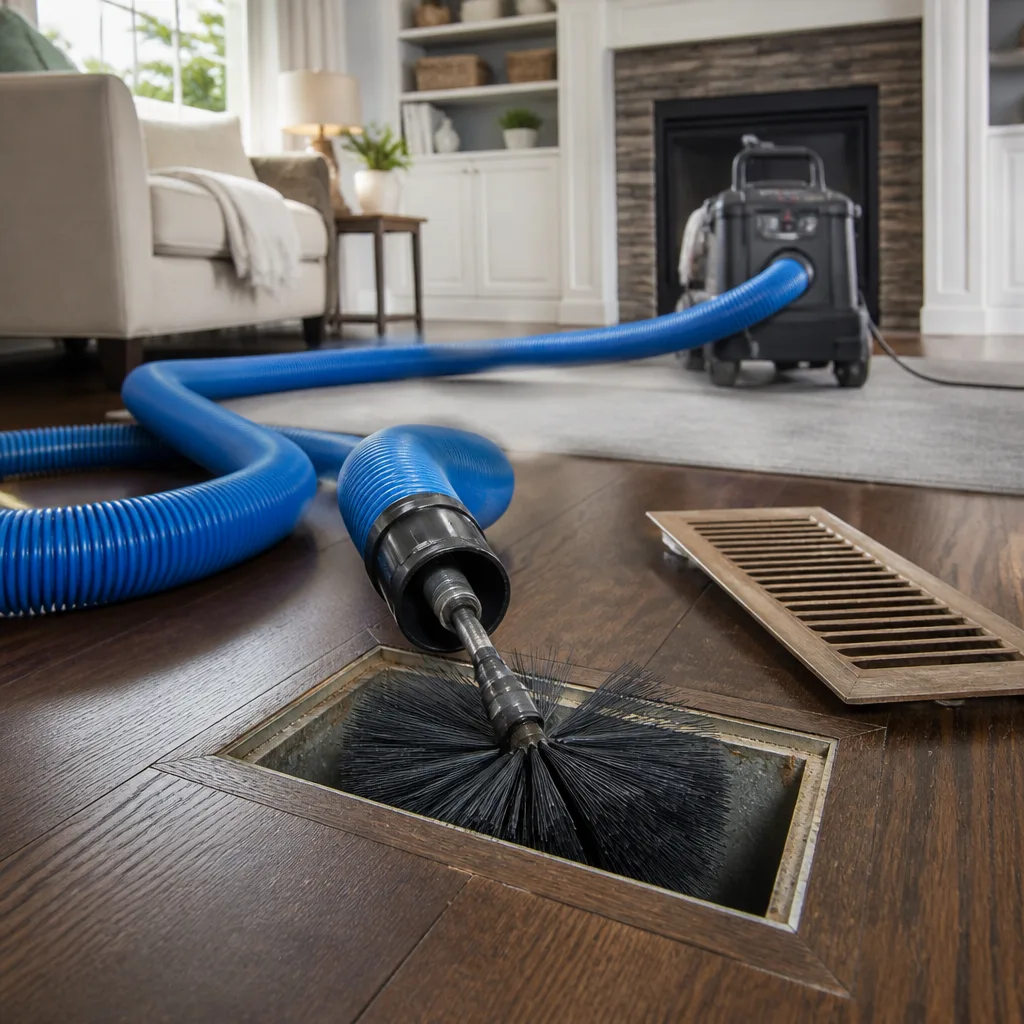 Whole-home duct cleaning
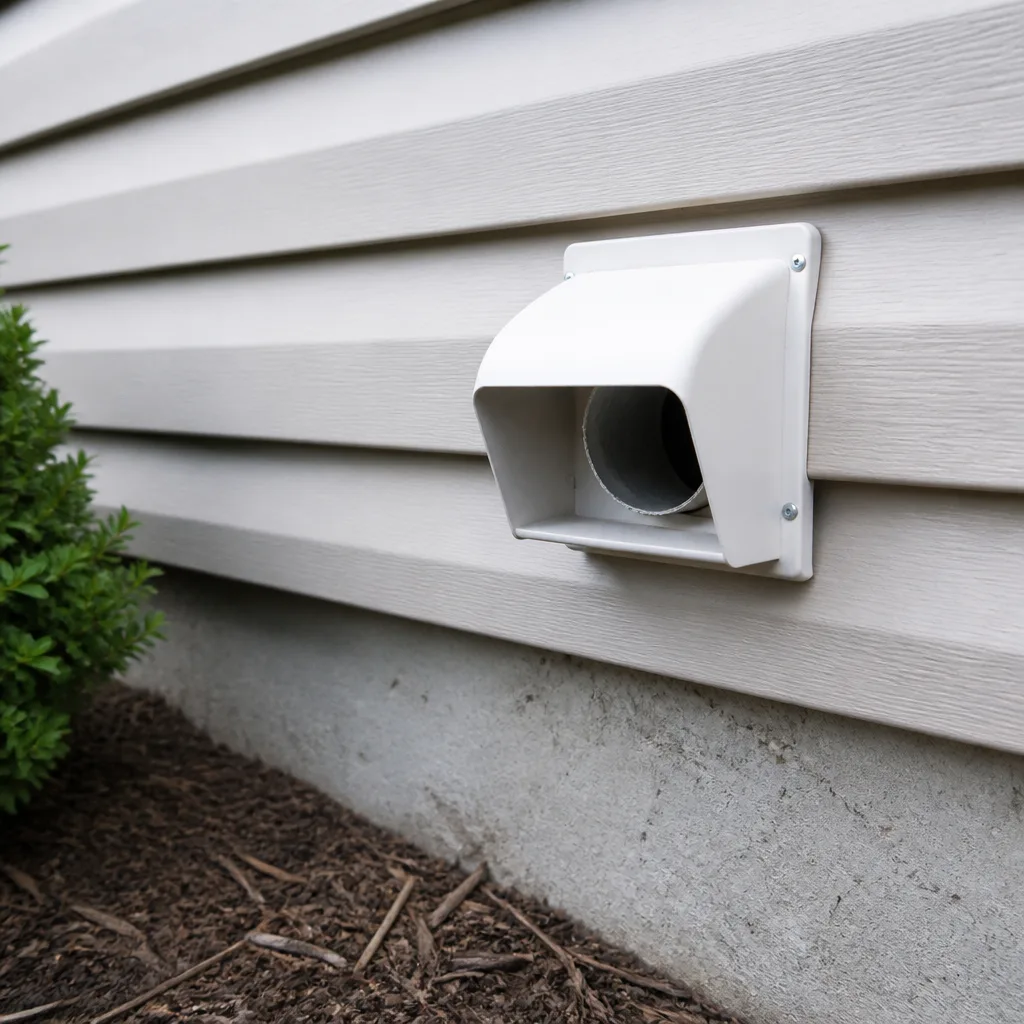 Dryer vent cleaning
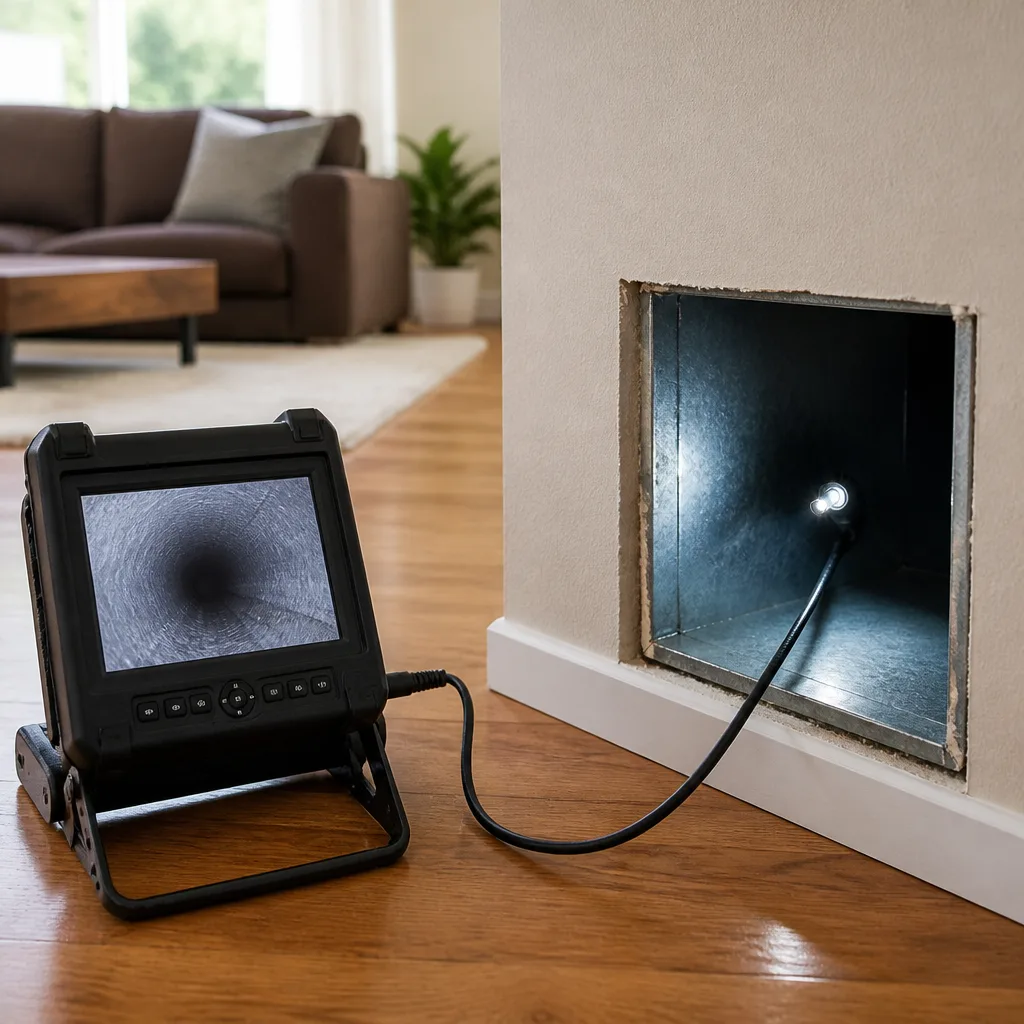 Camera inspection
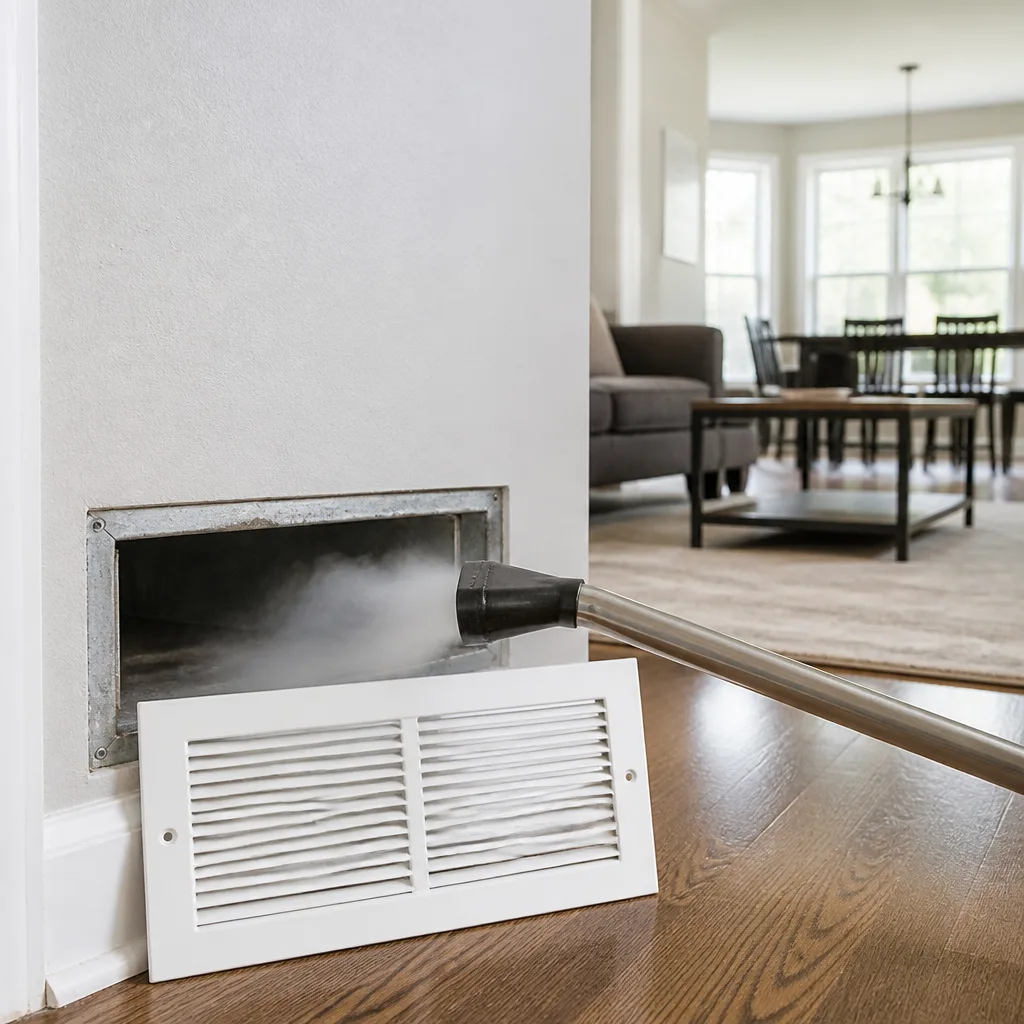 Sanitizing & deodorizing
Whole-system duct and dryer vent check with before-and-after photos - you see exactly what came out of your vents
That "$99 whole-house special" is a bait ad - the real number appears once they are in your hallway, or the "clean" is a shop-vac at the register. We photograph the inside of your ducts before and after instead.
Air Duct Cleaning Warning Signs: A San Angelo Homeowner’s Reference Guide
If one room in your house is always hotter or dustier than the rest, the instinct is to blame the AC unit. You turn down the thermostat, replace the filter, and hope. But uneven airflow is more often a duct problem than an equipment problem, and cleaning or repairing the duct costs a fraction of a compressor replacement. That mismatch between where the problem actually lives and where you assume it lives is why so many San Angelo homeowners spend money on the wrong thing. This guide teaches you to read the signals your duct system is already sending you, before those signals turn into expensive repairs.
Quick Answer
The most reliable duct warning signs in San Angelo homes are a dust smell that changes when the system runs, visible dark debris at the registers, one room that never matches the rest of the house, allergy symptoms that track with HVAC runtime rather than pollen season, and energy bills that climb while the weather holds steady. Any one of these is worth investigating. Two or more together usually means the duct system is contaminated, leaking, or restricted.
Styles & brands we work with
- Whole-home duct cleaning
- Dryer vent cleaning
- Camera inspection
- Sanitizing & deodorizing
Table of Contents
- Dust Smell vs. Mold Smell: What the Odor Is Telling You
- Reading Your Registers: What Debris Color and Texture Reveal
- Uneven Airflow and the Duct Problem Hiding Behind It
- Energy Bills Climbing in Stable Weather
- Allergy Symptoms and How to Test the Duct Hypothesis
- Structural Warning Signs in Older San Angelo Homes
- The Dryer Vent Signal You Shouldn’t Ignore
- What to Check Before You Call Anyone
Dust Smell vs. Mold Smell: What the Odor Is Telling You
Odor is the cheapest diagnostic tool you own, and most people use it wrong. A breathing system that pushes air through contaminated ducts will carry a smell into the room, but the type of smell narrows down what’s happening deep in the system. You don’t need to open a wall to tell the two main culprits apart.
A dry, dusty, cardboard-like smell that intensifies the moment the blower starts is the signature of surface debris. It’s the same smell as an old furnace filter, just stronger and more widespread. Loose dust, lint, pet hair, and construction residue have accumulated on the interior walls of the ducts, and every cycle pushes more of it into the air you breathe.
A musty, earthy, damp towel smell is different, and it’s a moisture signal. That is not debris. That’s biological growth on a surface that has stayed wet long enough to support it. In San Angelo, where a stretch of humid weather combined with an oversized system that runs short cycles can leave condensation in the ducts, this smell deserves a serious look.
How to distinguish the two without opening a wall
- Note when the smell is strongest. If it peaks only while the system runs and fades when it stops, the source is likely inside the airstream (duct surfaces). If it lingers after the system shuts off, moisture in the structure may be involved.
- Check one register after the system has run for 20 minutes. Shine a flashlight into the opening. Dry, grey-brown dust points to debris. Dark spotting, streaks, or a visible damp surface is a moisture problem.
- Smell the air at the register closest to the air handler, then one on the far side of the house. A smell only at the far register usually means the supply run has a leak or a disconnected joint pulling air from a crawl space or wall cavity.
If the second or third check turns up moisture or dark growth, don’t try to clean it yourself. That’s a job for professional extraction and filtration. Abatement Technologies air scrubbers are used on jobs that need real containment so contaminants aren’t redistributed through the house during the work.
Reading Your Registers: What Debris Color and Texture Reveal
Your supply and return registers are the only windows you have into the duct system without cutting into drywall. Learn to read them and you’ll spot problems long before airflow gets bad enough to notice. In our experience, the color and texture of the debris is the single most reliable clue.
What to look for at the register
- Uniform grey-brown dust: Normal accumulation over a year or two in most San Angelo homes. Worth cleaning on a sensible schedule, but not urgent.
- Black or charcoal smudging: Often points to construction residue, candle soot, or long-term soot from a fireplace or kitchen. Soot is fine and sticks to duct walls, so it needs mechanical agitation, not a shop vac.
- Yellowish or tan lint at the return: Pet hair, dryer lint, or carpet fibers. Heavy lint at a return usually means the filter isn’t catching what it should, or the return itself is drawing lint from a nearby opening.
- Fuzzy fibrous tufts: Fiberglass or duct-board shedding from the interior lining. This is a sign that the duct interior is degrading and needs more than cleaning.
- White or greyish streaks or dots: Possible biological growth. Treat it as a moisture signal until proven otherwise.
- Dry leaves, blown insulation, or debris that shouldn’t be indoors: A disconnected joint or a breach in the duct run is pulling air from wherever that debris came from. That’s an airflow and air-quality problem at once.
Rotary brush agitation is what actually removes this kind of material from the walls of a duct, not a quick puff of air. The professional-grade Rotobrush system is built for exactly that. If the register debris is heavy, sticky, or fibrous, a surface pass won’t move it.
Uneven Airflow and the Duct Problem Hiding Behind It
One room hotter than the rest is the most common warning sign in San Angelo, and the one most often blamed on the AC unit. Before you spend money on a compressor diagnosis, rule out the duct system. Uneven airflow almost always traces back to a duct problem, not an equipment problem, though a technician can confirm which it is.
Air follows the path of least resistance. If a supply run in the duct is partly collapsed, has a torn joint, or has a heavy buildup of debris on the inside wall, less air reaches the room it serves. Sometimes that shows up as weak airflow. Other times the room is stuffy because the return can’t pull air out of it fast enough.
Airflow checks that take ten minutes
- Hold a thin piece of tissue against each register for a few seconds. Supply registers should pull it steady and firm. Weak, fluttering, or no movement at one register while others are strong is a red flag.
- Note which rooms feel weak. One room is usually a supply run issue. Two or more rooms on the same side of the house often means a trunk line problem.
- Listen near the register. A whistle or hiss is a restriction, usually a crushed run or a clogged register boot. A rattle or a thump can be a loose joint that’s pulled apart.
- Look for spots where the register seal meets the wall or ceiling. A gap here pulls in unfiltered air from the attic or wall cavity, which is warm, dusty, and sometimes wet.
When we find these symptoms together, the fix is often a combination of cleaning restricted runs and repairing joints. Most duct cleaning companies do the first part and stop. Our techs do the second because a clean duct that still leaks pulls in dust as fast as the system can remove it. That’s why duct repair belongs in the same visit as cleaning.
Energy Bills Climbing in Stable Weather
If your bill jumps while the outside temperature stays about the same, look at the duct system before you blame the utility company or assume you’ve lost efficiency in the equipment. Restricted air movement makes the system work harder to do the same job, which means more energy drawn for less cooling delivered. In our experience, this shows up most clearly in mid-season months when you’re running the AC enough to notice but the weather hasn’t changed dramatically.
How big an impact can a restricted duct have on energy use? We don’t publish a savings claim, because every home is different. What we can say with confidence is that the same equipment moving less air is doing more work to produce the same result on the thermostat. That gap is a real cost, and it compounds monthly.
How to check your bill against the duct system
- Pull three bills from the same month in previous years. If the increase is roughly the same percentage in a mild month as a hot one, the equipment is normal and the duct system is the suspect.
- Look for the pattern: higher usage with no increase in thermostat setpoint, no change in occupancy, and no change in outdoor temperature. That points inward, not outward.
- Check the filter condition. A filter that clogs quickly is telling you the system is pulling more dust than it should from somewhere inside the loop.
- Notice whether the unit runs longer than it used to for the same cooling. A duct restriction reduces delivered capacity, which means longer runtimes and more energy.
Restriction is usually a mix of debris, a crushed or disconnected joint, and a dirty return. Professional cleaning with Nikro HEPA-rated vacuum equipment removes the debris and restores the free-flowing path. Repairing a compromised joint closes off the leak. Diagnosing and fixing alongside the cleaning is the reason we provide all three services.
Allergy Symptoms and How to Test the Duct Hypothesis
Allergy symptoms in a San Angelo home can come from three different places: outdoor pollen, indoor sources like pets or dust mites, or the duct system itself. The trick is figuring out which one is driving your symptoms, and no doctor’s visit is required to narrow it down. Allergy symptoms that correlate with duct contamination usually track HVAC runtime, not the outdoor pollen calendar.
The symptom timing test
- Track your symptoms for 10 to 14 days. Note the times of day they’re worst, and whether you feel better in a specific room versus the rest of the house.
- Track the HVAC runtime on the same days. If you’re running the system more than usual (hot stretch, overnight cooling), do your symptoms rise the same day, or the next morning?
- Try a night with the system off (fans only, windows closed). If your symptoms settle and rise again when the system runs the next day, the airstream is the likely culprit.
- Compare against an outdoor pollen source. If symptoms rise on windy days or after yard work even when the system is off, that’s an outdoor pattern, not a duct pattern.
- Try sleeping in a room with a closed register for two nights, then a room that’s fully open and conditioned. Track the difference.
None of this is a medical test, and we don’t diagnose or treat anything. It’s a simple way to figure out whether the air moving through your home is worth cleaning. If the timing test points toward the airstream, get the duct system properly extracted. We’re not in the business of health claims. We’re in the business of removing contaminants from the duct system and letting the results speak.
Structural Warning Signs in Older San Angelo Homes
Older San Angelo homes have a different duct profile than newer builds. Flex duct becomes common in mid-century and later houses, and over time flex runs in an attic see real stress. The good news is that flex failure is almost always visible before it becomes a hard failure, if you know where to look.
What structural duct problems look like before they break
- Sagging flex runs: A flexible duct that sags between supports slows airflow and collects dust at the low point. A little sag is normal. A deep, visible dip in the run is not.
- Disconnected joints: The taped or clamped connection between two duct sections pulls apart over time, especially where the attic gets hot. The tell is either a room with weak airflow or a hissing noise from a register.
- Collapsed runs: A flex duct that has been crushed by stored items, stepped on, or pinched by a truss loses the round shape that carries air. This is usually a slow, gradual change that shows up as reduced airflow before anything visible fails.
- Torn or separated insulation: The outer vapor barrier on flex duct should be intact. A tear invites condensation and, over time, moisture inside the lining.
- Animal intrusion: Rodents and insects love a quiet attic duct run. Look for chewed insulation, nesting material near a register boot, or debris at a return. In our experience this is easy to miss because it shows up as a smell before it shows up as anything visible.
Structural damage doesn’t get better with cleaning alone, and it doesn’t get better with a fresh coat of sealant on a wall. Real duct repair means opening or replacing the damaged run so the system can actually move the air it was designed to move. That’s the service most duct cleaning companies leave out, and it’s the one older San Angelo homes need most.
The Dryer Vent Signal You Shouldn’t Ignore
A dryer that takes two cycles to dry a load, feels hot to the touch, or smells faintly of scorched lint is telling you the exhaust is restricted. That’s a fire hazard first and an inconvenience second. Lint builds up inside the vent and around the dryer’s internal blower, and the heat a dryer produces can ignite it. We treat dryer vents that way, because the risk is real and it’s not a household chore that can wait.
Warning signs of a restricted dryer vent
- Clothes still damp after the normal cycle, or a second run needed to finish the load.
- The dryer body or the laundry room feels unusually warm or humid when the dryer runs.
- Lint is visible outside the exterior vent hood when the dryer is running.
- The exterior flapper door doesn’t open or opens only weakly.
- A musty or smoky smell in the laundry room after a load finishes.
Dryer vent cleaning is not the same as air duct cleaning, and the wrong tool does more harm than good on the vent run. Rotary brushes, rated for duct interiors, are the right tool here too, and the technicians you send should be the same people who work the supply ducts. A blocked vent is a heat-and-lint problem that belongs on the same visit as dryer vent cleaning.
What to Check Before You Call Anyone
You can do a lot of your own diagnostic work before you spend a dollar on a service call. The checks below won’t tell you everything about what’s inside the duct system, but they’ll tell you whether it’s worth calling. And they’ll give you better questions to ask once the technician arrives.
A 15-minute walkthrough
- Walk every register in the house with a flashlight. Note the debris color and where it’s worst.
- Do the tissue test at each supply register. Note which rooms feel weak.
- Run the system for 20 minutes with the house closed up, then walk the rooms and note any smell that peaks while the blower runs.
- Check the filter. A filter that clogs in under a month is trying to tell you something.
- Check the dryer vent exterior hood while the dryer runs. If the flapper barely moves, the vent is restricted.
- Look for sagging or torn flex ducting visible from an attic access panel, only if it’s safe to look. Don’t move insulation or climb on joists.
Once you’ve done these six checks, you’ll know whether the duct system is worth looking at closely. When you’re ready to move from checking to cleaning, our full duct cleaning San Angelo page walks you through how a professional visit actually goes. And if you’re not sure what to expect from a real visit, our overview of air duct cleaning explains the equipment and the process in plain language.
Common Mistakes to Avoid
These are the mistakes we see San Angelo homeowners make most often when a duct problem is developing. None of them are catastrophic on their own, but any one of them tends to turn a small fix into a bigger one.
- Blaming the AC unit for what the ducts are doing. A compressor diagnostic is not the first call when one room is hot. Rule out the ducts before you spend money on a service call to the equipment.
- Running a cheap shop vac into a duct. A household vacuum moves dust around, not out. It can also push debris deeper, and on flex duct it can tear the interior lining. Professional-grade equipment exists for a reason.
- Replacing the filter and assuming the problem is solved. A new filter catches what’s in the airstream. It does nothing for debris already stuck to the walls of the ducts.
- Ignoring a mild musty smell during a humid stretch in San Angelo. Musty is a moisture signal, not an inconvenience. Left alone, it becomes growth on the duct surfaces.
- Treating dryer vent cleaning as a household chore. A restricted dryer vent doesn’t fail gradually, it fails all at once. It’s a fire hazard and it’s worth fixing on a schedule, not when it stops working completely.
- Hiring on price alone when the quote includes no photos. Before-and-after photos of your own ducts are how you know the work was actually done. A contractor who can’t show them isn’t showing you the work.
- Assuming a duct cleaning fixes a damaged duct. Cleaning removes debris from the walls. Repair closes leaks and restores airflow. Both are needed if the ducts have structural problems, and both are different services.
See the difference
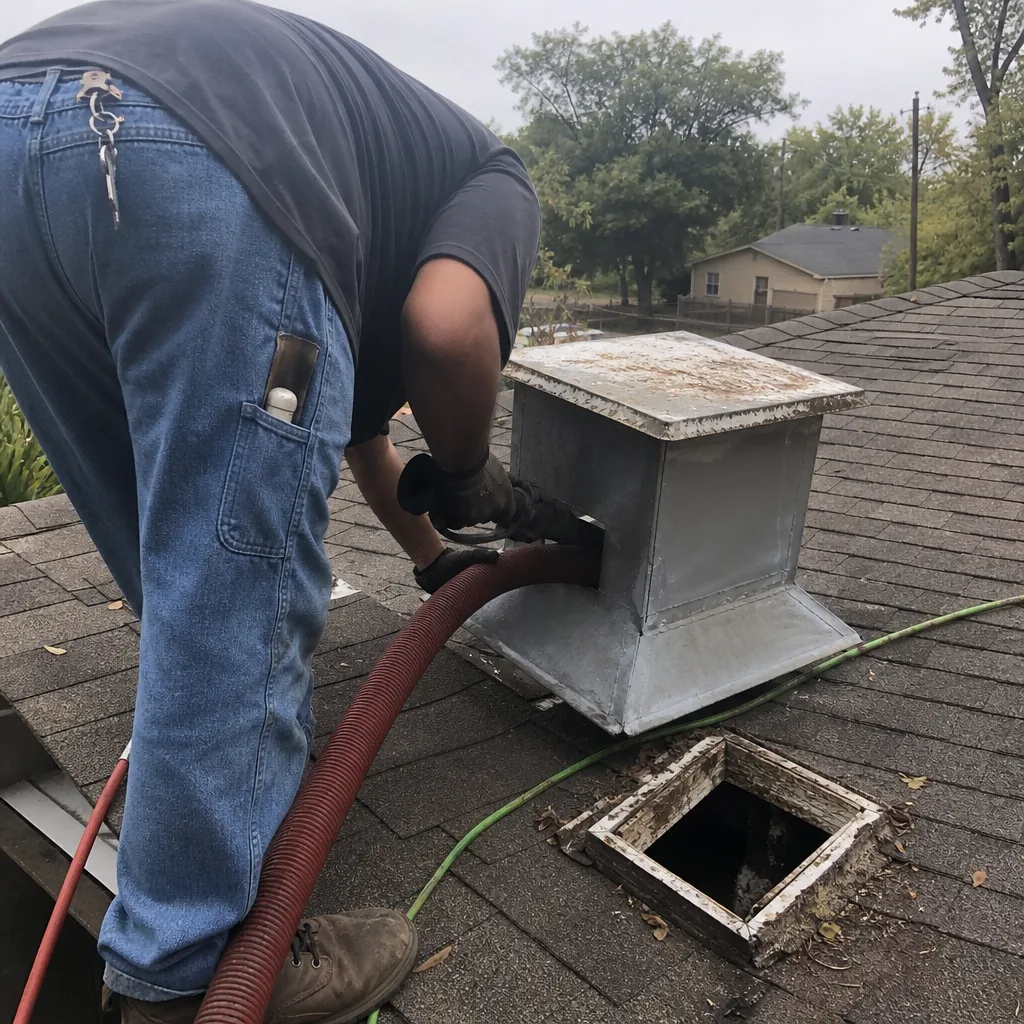 Before
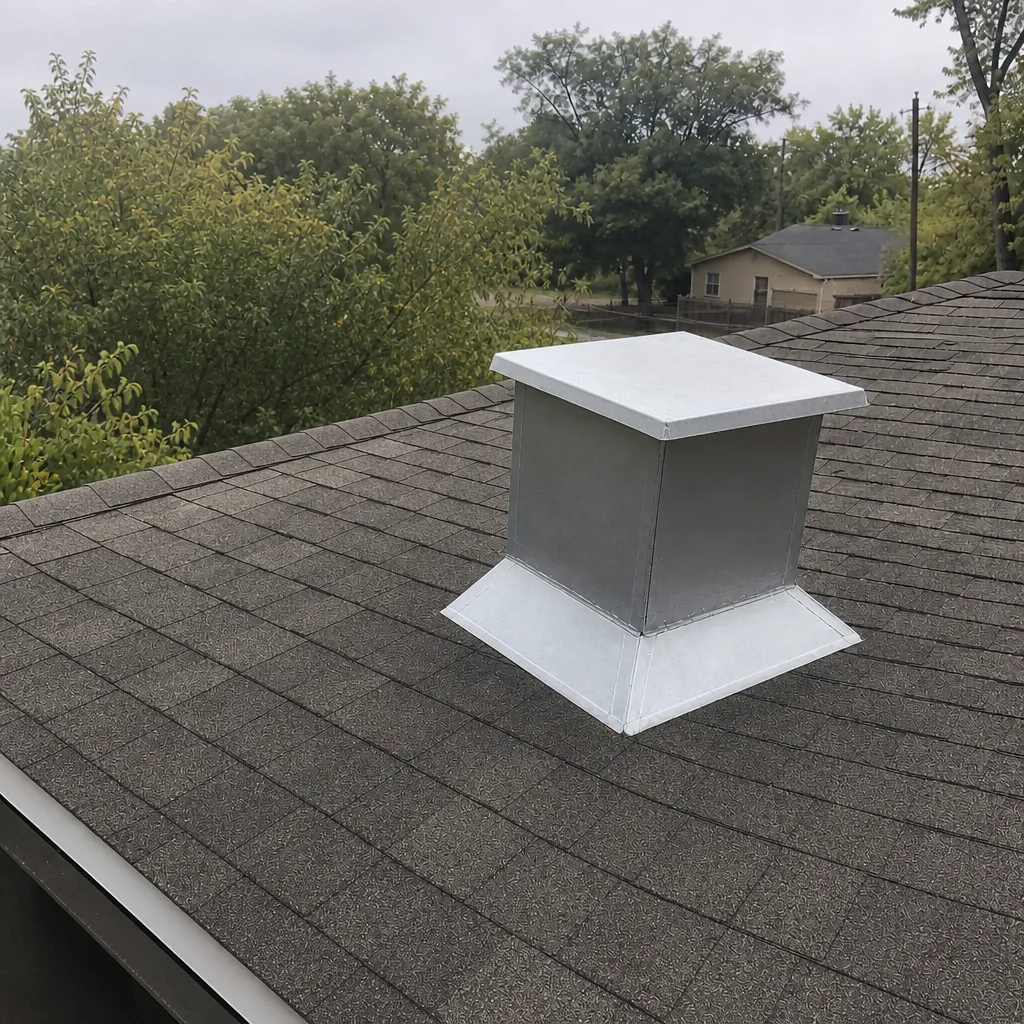 After
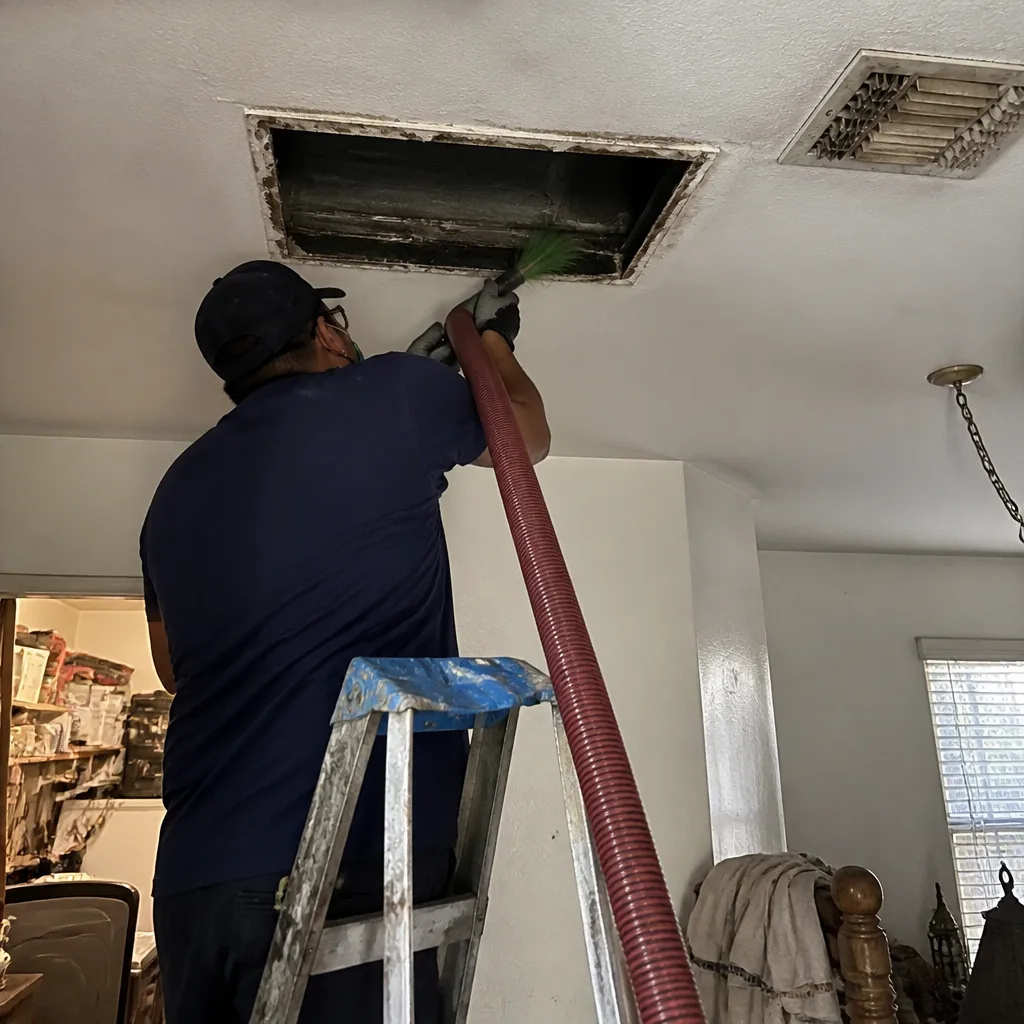 Before
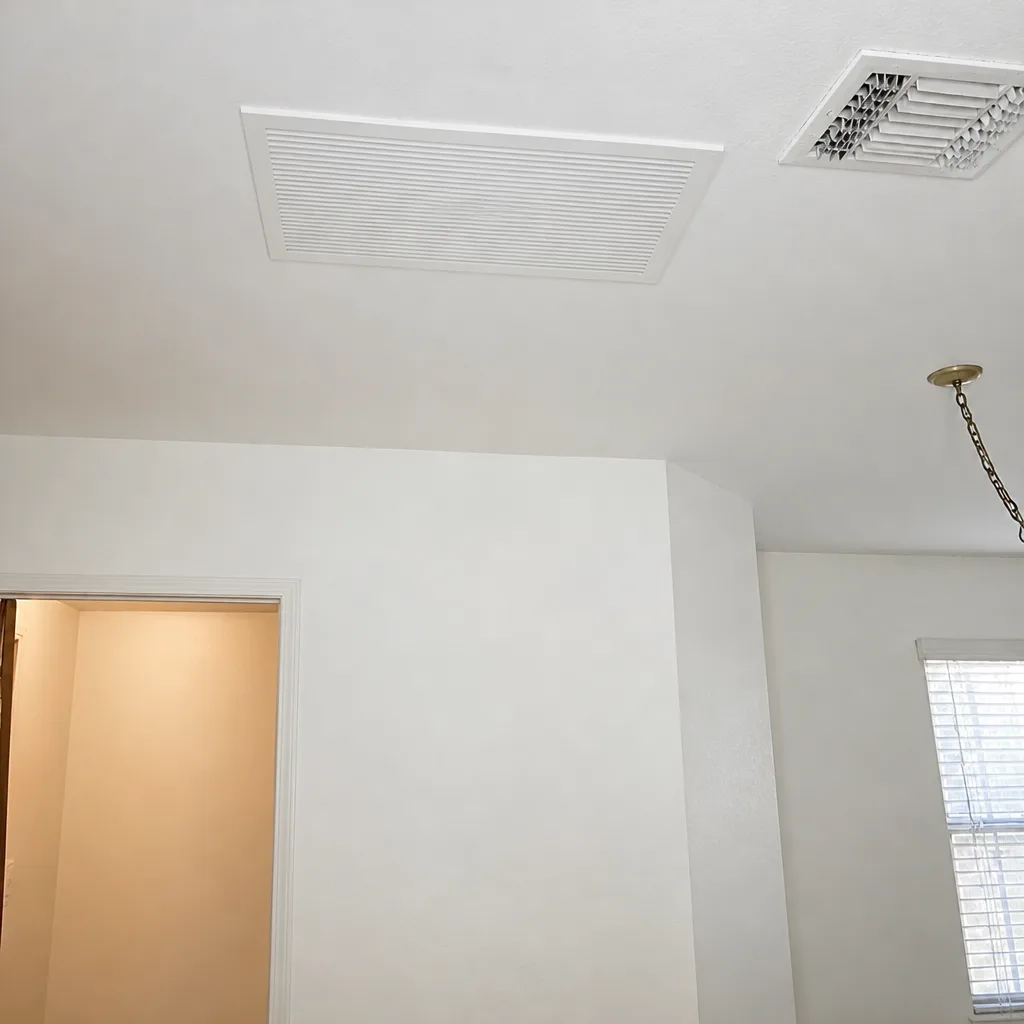 After
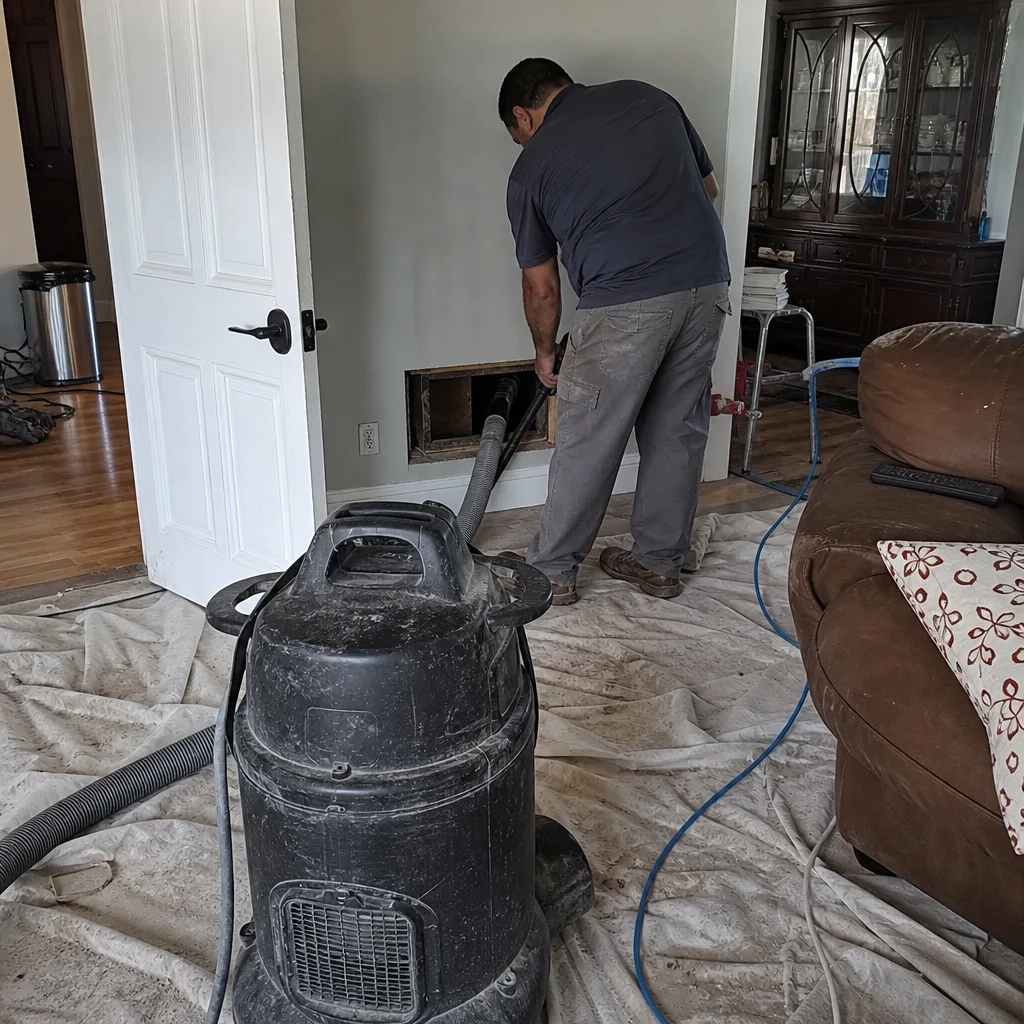 Before
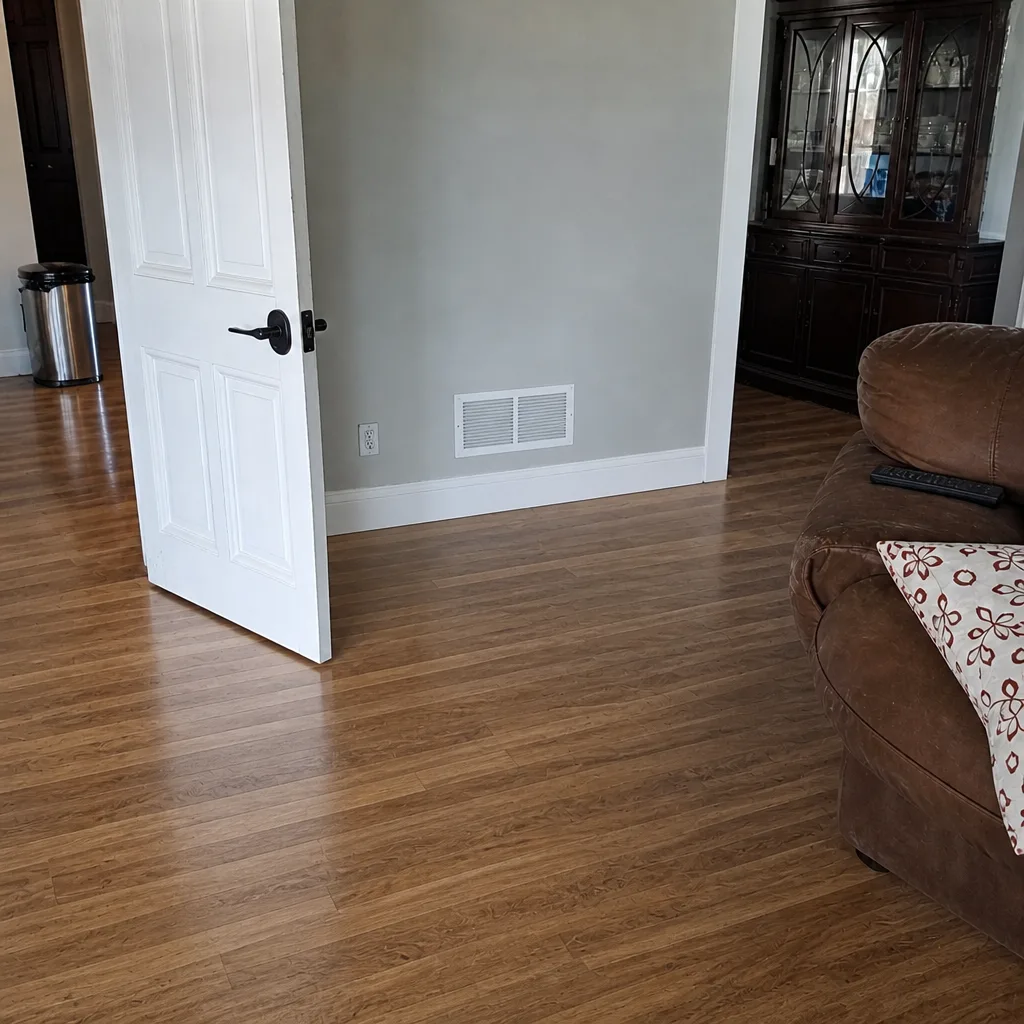 After
When to Call a Professional
There’s a wide range between “worth a look” and “call a professional now”. Here are the scenarios where we’d call it: a musty smell that lingers for more than a few days, one room with no airflow at all, a register that shows visible dark growth or damp debris, a dryer that takes two cycles, or a duct system you’ve never had cleaned and recently renovated around. Age matters less than history. A 40-year-old house that has never been cleaned and just had a kitchen remodel is a stronger candidate than a 10-year-old house with regular filter changes. If any of these sound familiar, the free estimate is the right next step. Duct Cleaning San Angelo offers free estimates in San Angelo. Call (844) 761-5306. We answer 24/7. Fast dispatch from 7am to 7pm, Sunday through Friday.
Frequently Asked Questions
Most whole-home duct cleanings in San Angelo land in a range that depends on the size of the house, the number of systems, and whether repair work is needed. We don’t quote a per-vent price or a coupon figure, because a whole-system price is the honest number and it varies. The written estimate sets the final price, and it’s given before any work starts. Call (844) 761-5306 for an exact quote, the estimate is free.
For most San Angelo homes, every few years is reasonable, and the schedule should follow circumstances more than a calendar. Recent renovations, a new pet, a move into an older home, or a musty smell are all good reasons to move up the schedule. A home with steady filter changes and no dust issues can stretch longer. If you’re not sure, call and we’ll help you think through it.
Cheap quotes in this trade are usually cheap for a reason. The price excludes the equipment that actually extracts debris (a shop vac and a brush moves dust around the house, it doesn’t remove it), or it excludes repair work, or it’s based on a per-vent figure that grows once the technician is on site. We use professional-grade equipment from Rotobrush and Nikro, and Abatement Technologies air scrubbers run during the job to control what’s in the air. One price per system, agreed before work starts.
Before-and-after photos of your own ducts. That’s the clearest evidence that the work happened, and a professional visit should show you both. Beyond photos, you’ll see it in the way the air moves, the smell in a room after the system has run for 30 minutes, and a filter that clogs less quickly than before. Call (844) 761-5306 to book an estimate in San Angelo.
Yes. A restricted or leaking duct system forces the equipment to work harder to do the same job, which means more runtime and more energy. We don’t publish a savings percentage, because every home is different, but if your bill is climbing while the weather holds steady, the duct system is worth ruling out first. Call for an estimate before you spend money on an equipment diagnostic.
Yes. Dryer vent cleaning is one of our three core services alongside air duct cleaning and air duct repair, and it’s worth treating with the same seriousness. A restricted dryer vent is a fire risk, not an inconvenience. If your dryer takes two cycles to dry a load, call (844) 761-5306 and book the vent cleaning on the same visit. We answer 24/7.
The Bottom Line
Duct warning signs rarely announce themselves all at once. They build: a smell that comes and goes with the blower, a room that never quite matches the rest of the house, a bill that climbs while the weather holds, a dryer that takes longer than it should. The earlier you read these signals in your San Angelo home, the smaller the fix usually is. The clean, extract, and repair approach is what we do, using professional-grade equipment rather than consumer shortcuts. When you’re ready to stop guessing, our team is one call away. We answer 24/7, with fast dispatch from 7am to 7pm, Sunday through Friday. If you’re in a nearby town, our San Angelo page is a good place to start. Call (844) 761-5306 for a free estimate in San Angelo.
Written by the team at Duct Cleaning San Angelo.